
Last updated November 15, 2026
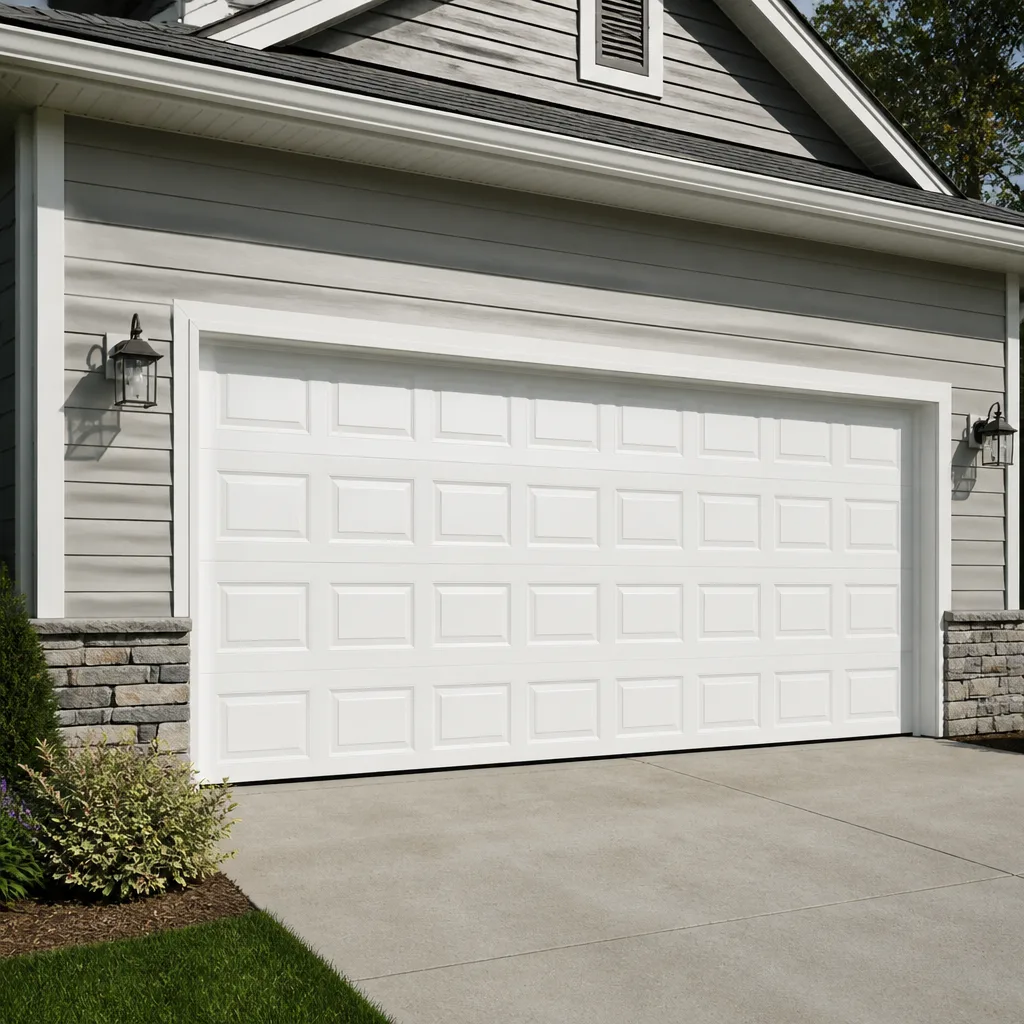 Raised-panel steel
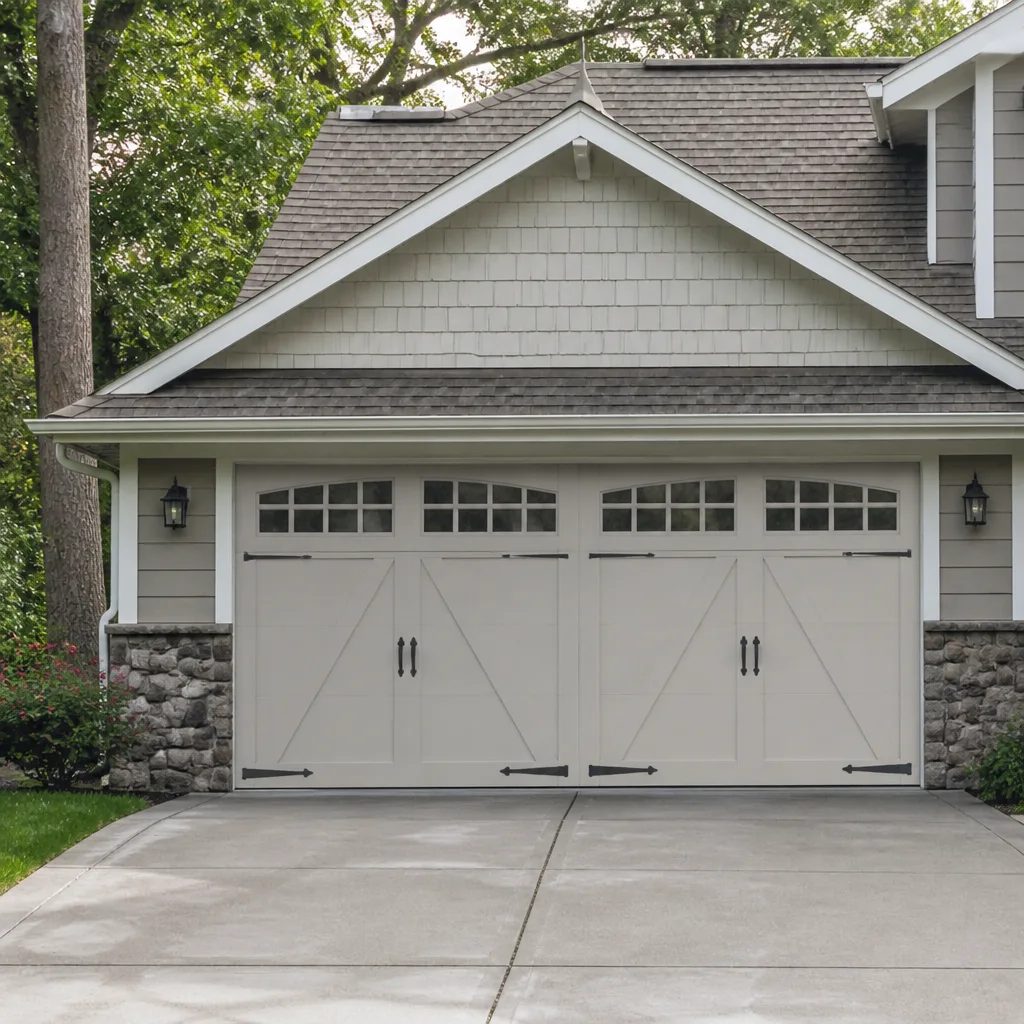 Carriage house
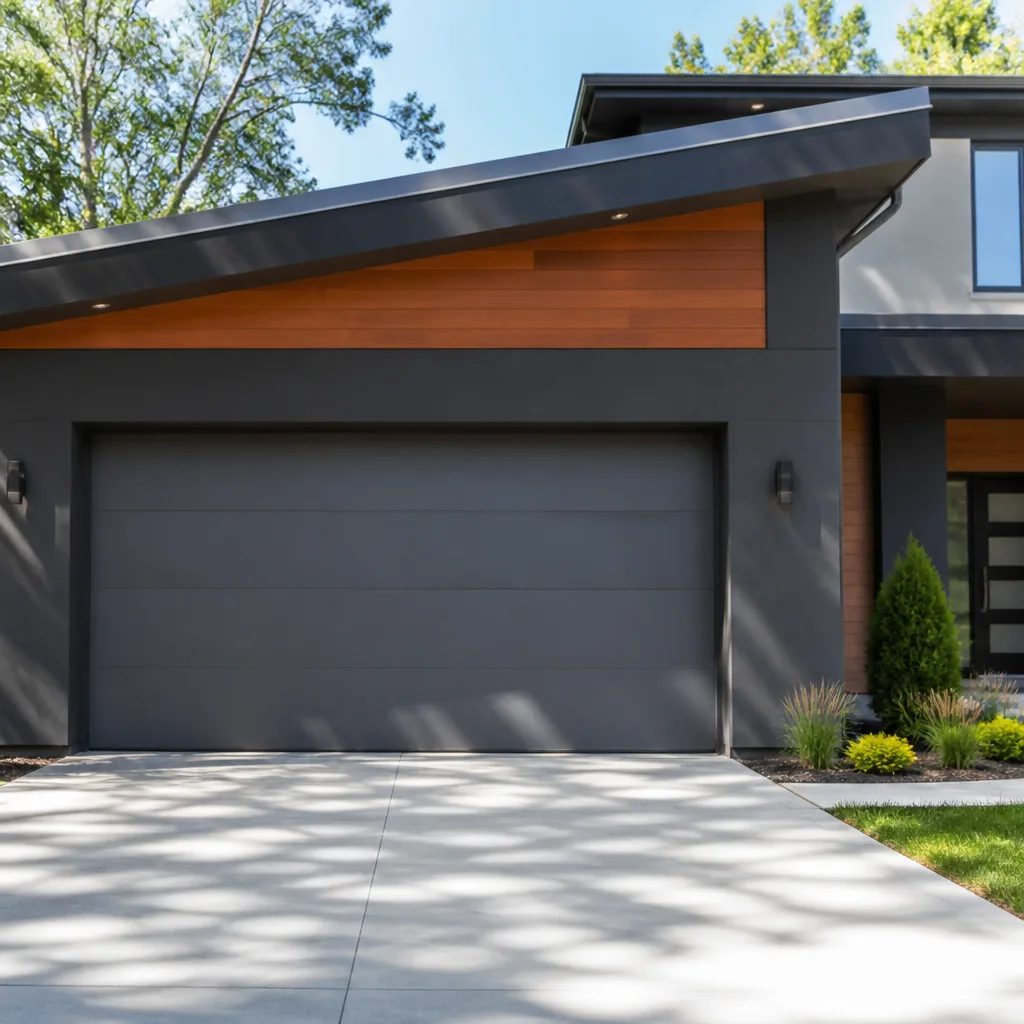 Modern flush
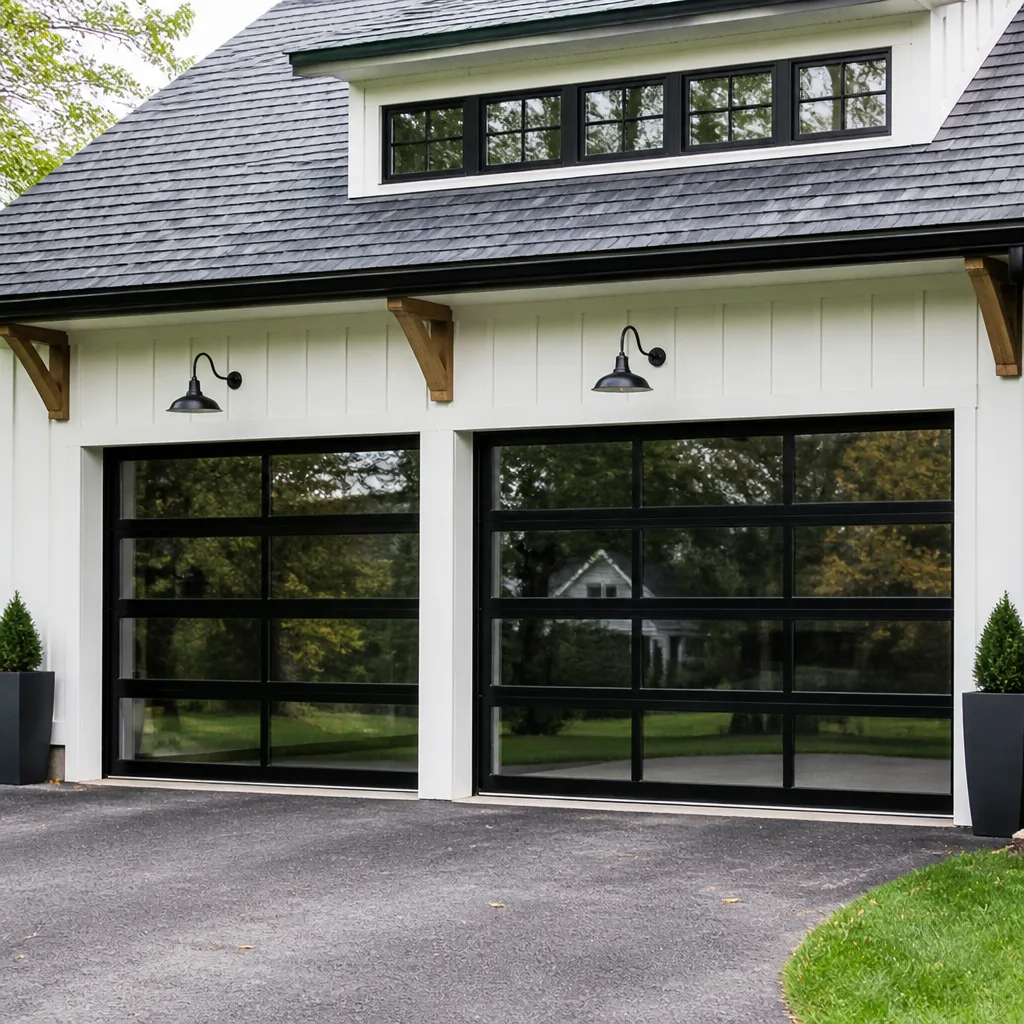 Full-view glass
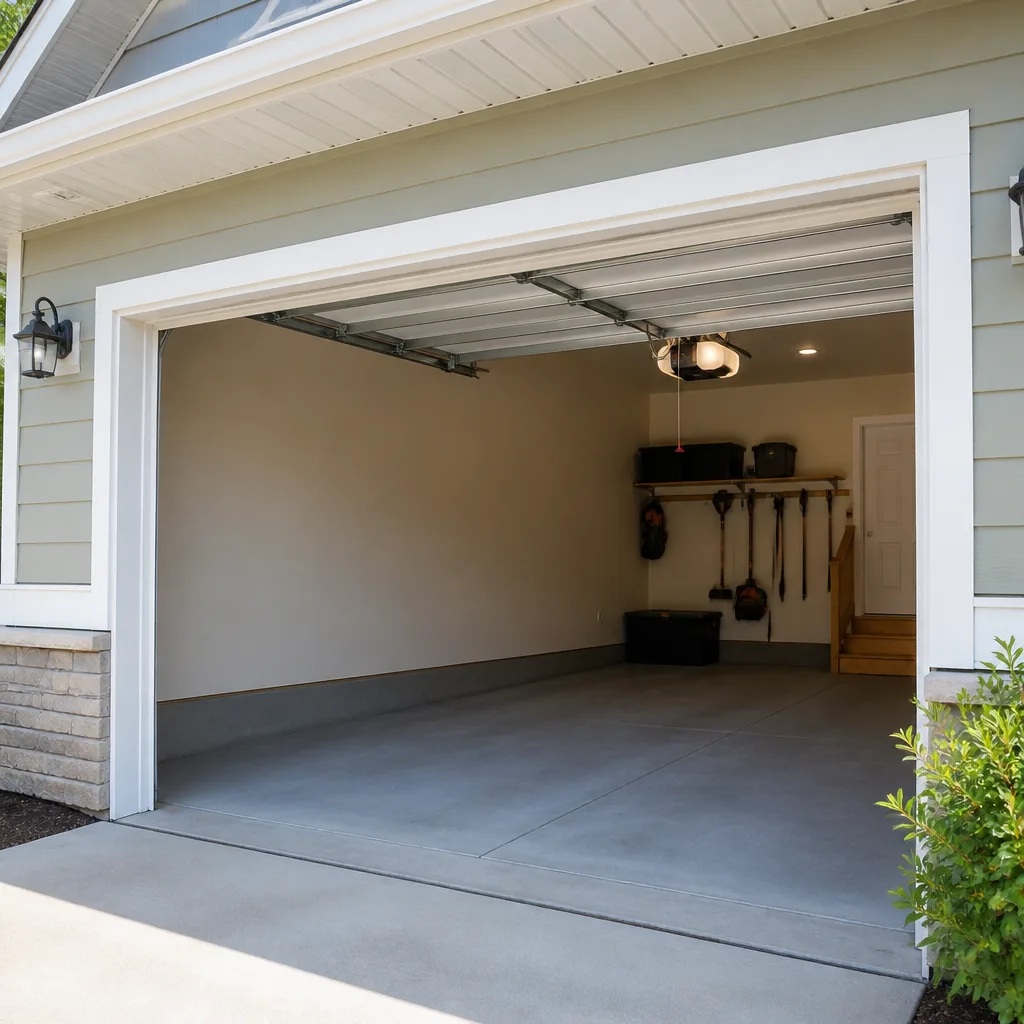 LiftMaster openers
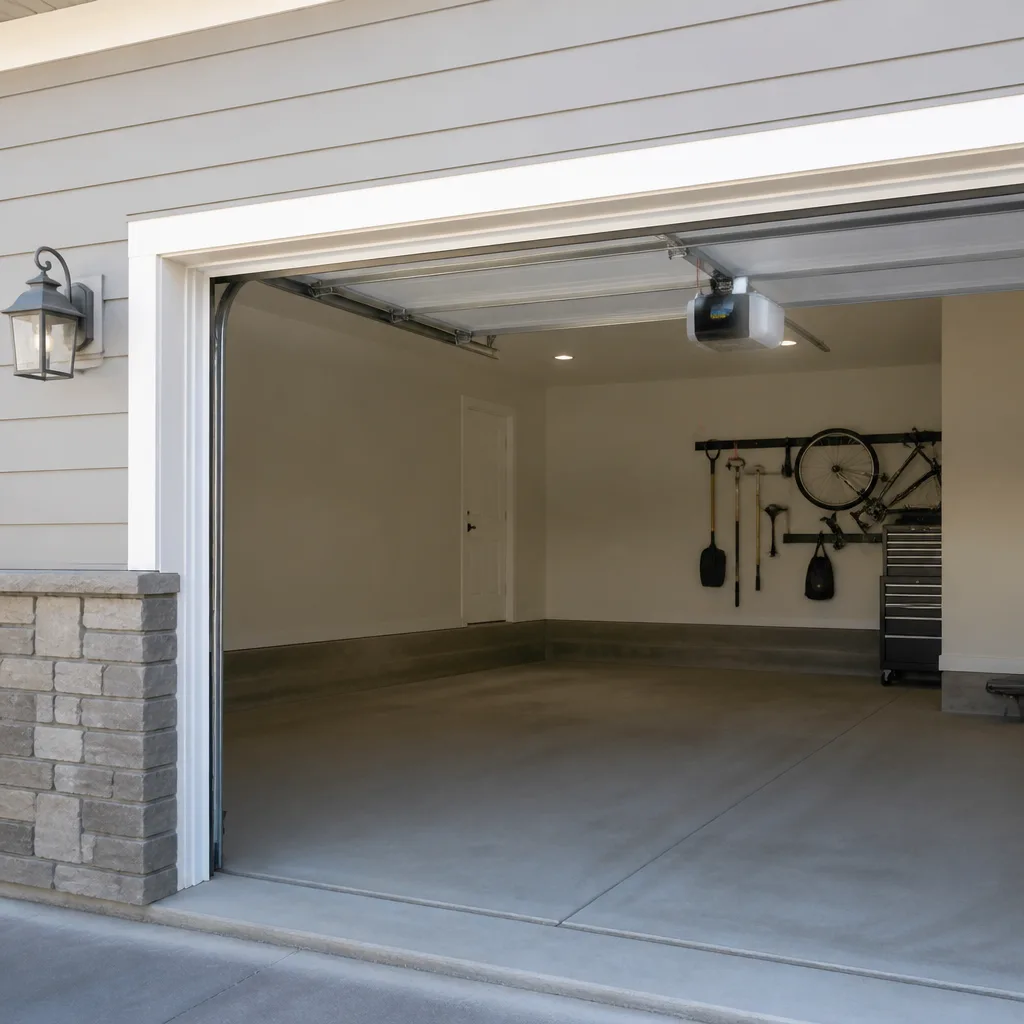 Chamberlain openers
Full 25-point door and opener safety check with every visit - springs, cables, rollers, tracks, and your LiftMaster or Chamberlain opener included
You get a price before we start. It does not change when the pro arrives.
Get your free estimateThe Complete Guide to Garage Doors in Everett
Most homeowners here replace a garage door once every 15 to 20 years. Think about that gap. The last time you made this decision, LiftMaster had a completely different product line, smart openers didn’t exist, and the advice you got probably came from a neighbor, not a search engine. Now you’re facing a decision that shapes how your house looks from the street, how well it keeps out the wet, and what you’ll spend over the next decade. This guide walks through the full lifecycle of a garage door as it actually plays out in Everett: climate, housing stock, driveway grades, brand parts, and long-term cost. You’ll finish knowing what to look for, what to avoid, and when to stop researching and call.
Quick Answer
The right garage door for an Everett home depends on three things: your home’s construction era, your driveway’s grade and exposure, and whether your garage is attached or detached. In this wet, mild climate, insulated steel doors hold up best and wood needs real upkeep. A professional can measure and quote in a single visit, and a written estimate locks the price before any work starts. Repairs cost far less than replacement, so the first step is always a proper assessment rather than a guess.
Table of Contents
- How Everett’s Wet, Mild Climate Changes Garage Door Material Choices
- Everett Housing Eras and the Door Styles Common to Each
- Driveway Grades, Attached and Detached Garages Around Everett
- The Full Lifecycle Cost: Measuring a Door by a Decade, Not a Price Tag
- Brands Serviced Most Around Everett and Why Parts Availability Matters
- The Annual Maintenance Routine That Actually Extends Door Life
- Repair or Replace? The Decision Framework
- How to Choose an Installer in Everett
How Everett’s Wet, Mild Climate Changes Garage Door Material Choices
Everett sits in a climate that rarely freezes hard and rarely bakes in summer heat, but it stays damp for long stretches and dumps a lot of rain between fall and spring. That combination doesn’t destroy doors quickly. It wears them out slowly, in ways most homeowners only notice after a problem shows up. Mild winters mean fewer freeze-thaw cycles cracking panels, but constant moisture works on the edges, the bottom seal, and the fasteners that hold everything together.
Each material reacts to that damp differently:
- Steel is the workhorse. Insulated steel doors handle wet, mild weather well and hold paint for years. Failures usually trace back to a worn bottom seal letting water in, or a scratch that goes untreated and starts to rust at the bottom edge.
- Wood has real character here but demands attention. It needs repainting or resealing on a regular schedule because absorbed moisture causes swelling, sticking, and eventually rot, especially along the bottom rail and panel edges that sit closest to the ground.
- Aluminum and composite options are lighter. Aluminum won’t rust, though it can dent. Composite materials resist moisture well, which suits a rainy climate, but they cost more upfront.
- Insulation matters more than most people expect. An insulated door keeps the garage drier and moderates temperature swings, which helps protect stored items and any living space above the garage.
The practical takeaway: in Everett, the bottom of the door and the seal around it take the worst beating. Check the bottom weather strip each fall. If it’s stiff, cracked, or not touching the floor evenly, moisture is getting in and the door isn’t sealing. Replacing a seal is inexpensive. Replacing water-damaged panels is not. For a closer look at fixing these issues, our garage door repair work covers seals and hardware along with the bigger repairs.
Everett Housing Eras and the Door Styles Common to Each
Everett’s neighborhoods aren’t all built to the same pattern. The era a home was built in tells you a lot about the garage space attached to it, the door size it was designed around, and the style that will look at home from the street. That matters whether you’re repairing what’s already there or picking something new.
- North Everett and older core neighborhoods. Many homes here date to the early and mid-twentieth century, including bungalows, craftsman styles, and small single-car garages tucked at the end of short driveways. Original garages are often tight, and a 7-foot-wide or low-headroom single door is common. Replacements tend to look best with classic paneled styles that echo the house’s era rather than a modern carriage look.
- Mid-century construction around the established residential blocks. These homes frequently have standard 8-foot-wide or 9-foot-wide single doors, or a two-car setup with a 16-foot-wide door. Insulated steel in simple styles fits most of them without fuss.
- Newer development on the edges of the city. Recent construction usually brings larger two- or three-car garages, taller doors, and openers wired for a smart setup from day one. These doors often have better insulation and more headroom, which makes opener upgrades easier.
- Townhomes and tighter lots. Narrow lots, steep driveways, and shared garage walls call for doors that seal well and openers that stay quiet. Headroom is often limited, so opener selection needs care.
Sizing mistakes are expensive. A door installed to a rough opening that wasn’t measured properly won’t seal, no matter how good the panels are. If you’re weighing a replacement, a professional measurement is the first real step. Installation is a job to plan rather than rush, and a free measure and a written price is the way we prefer to start. For other communities we serve, see our work in Everett and the surrounding area.
Driveway Grades, Attached and Detached Garages Around Everett
Driveway grade is the most overlooked garage-door problem in this city, and it’s where a lot of mystery issues begin. Everett’s hillside neighborhoods, and the many homes built on a slope, often have driveways that rise or fall away from the garage. A driveway that slopes toward the house means water runs toward the garage door, not away from it. That’s a door-and-seal stress test every rainy season, and it’s why some homes here see a wet garage floor after storms and others never do.
Grades create three practical issues:
- Water intrusion. A door with a worn bottom seal on a slope facing the door lets water in. The fix is often a new seal combined with a floor threshold, not a new door.
- Opener strain. A steep driveway can put the door on an incline that loads the opener more heavily. On a worn opener, that shows up as sluggish opening or a door that reverses before it’s fully up.
- Door travel and clearance. Low headroom in a basement or hillside garage limits which openers and door types will fit, so the measurement step matters more here than in flat-lot subdivisions.
Attached versus detached also changes the calculation. An attached garage shares a wall with living space, so sealing and insulation affect how comfortable the house stays. A detached garage is often a workshop or storage space where temperature control matters less, so a simpler door may be the sensible choice. We’ve seen both. The right answer comes down to what the door has to do, and that starts with an honest assessment. If you’re in a nearby community, our team can help with a free estimate just the same.
The Full Lifecycle Cost: Measuring a Door by a Decade, Not a Price Tag
The purchase price is the number everyone asks about, but it’s rarely the number that matters most. What actually shapes your budget is the ten-year cost of ownership: the door plus springs, seals, opener repairs, painting or refinishing, and the occasional panel. A cheap door with a short lifespan can cost more over a decade than a well-built one that needs less attention.
Here’s the lifecycle framework we walk customers through. Actual numbers depend on your door, your home, and the work involved, and a written estimate sets the final price:
- Upfront material and installation. Steel sits at the lower end, wood and composites at the higher end. Standard sizes cost less than custom sizes because they’re easier to source.
- Spring replacement. Springs are consumable parts and expected to fail eventually. A torsion spring is priced per spring, and matched pairs are usually replaced together, so a pair costs roughly twice the single-spring price.
- Bottom seal and weather stripping. Inexpensive on a yearly basis, and skipping them is what lets water and drafts in, causing bigger bills later.
- Opener service. Every opener eventually has an issue with the motor, the remote, or the safety sensors. Opener-only repairs are usually a modest line item and worth doing before replacing a whole system.
- Finishing costs for wood. Paint, stain, and resealing on a schedule. Steel needs less, which is part of why so many Everett homes use it.
- Occasional panel or hardware repair. Impact damage, a bent track, a worn roller. Each is a small line item that keeps a good door in service longer.
When you add it up, a steel door with regular maintenance usually wins on total cost over a decade, while wood wins on appearance and character. Neither is wrong. What’s wrong is buying on purchase price alone and ignoring what the next ten years will cost. We’re happy to walk through the math on your specific door. Reach out to Oasis Garage Door Repair for a free estimate.
Brands Serviced Most Around Everett and Why Parts Availability Matters
Most Everett homes already have a brand of door or opener on them, and knowing which brand you own is the single most useful piece of information you can give a repair technician. Parts fit varies by make, and a part that’s easy to get for one brand may take longer to source for another. That’s why we focus on the brands we know best: LiftMaster, Chamberlain, Genie, Clopay, Amarr, Wayne Dalton, Craftsman, and Raynor. Our technicians have up to 10 years of experience with these systems, so there’s no learning curve when we arrive.
Here’s what brand fluency means in practice:
- We recognize the equipment from the photo or model number. You don’t have to guess what you own, and we don’t have to take the whole thing apart to figure it out.
- We know the common failure points for each brand. An opener that’s been reliable for years can develop a specific issue with the drive gear or the logic board. Knowing where to look saves time.
- Parts are sourced correctly. A LiftMaster openers’ gear and a Chamberlain unit’s components aren’t always interchangeable, and a Genie remote needs the right frequency match. Getting that right the first time matters.
- We can advise on repairs versus replacement for the specific model. Some older systems are worth repairing. Others have reached the point where a newer, more efficient opener makes more sense.
Parts availability is a real local concern. When a discontinued model needs a part, the wait can be longer than a homeowner expects, and that’s when the temptation to replace the whole system kicks in. Often the smarter move is a repair. For openers specifically, our garage door opener repair service handles the motor, remote, and smart-home connection issues that cause the most frustration. If your opener is one of the widely owned brands above, there’s a good chance we’ve worked on it before.
The Annual Maintenance Routine That Actually Extends Door Life
The single biggest factor in how long a door lasts in Everett isn’t the brand or the price tag. It’s whether it gets a small amount of attention each year. Most garage doors fail gradually, and the warning signs are visible long before the door stops working. Catching them early is cheaper than an emergency repair.
A practical annual routine looks like this:
- Look at the bottom seal. Run your hand along the bottom weather strip. It should be pliable and touching the floor evenly when the door is closed. Cracked, stiff, or gappy seal means water is getting in. Replace it.
- Check the springs visually, not by hand. A torsion spring above the door should look straight and unbroken. Never try to adjust, loosen, or remove a spring yourself. Springs are under high tension and can cause serious injury. If anything looks off, call a trained professional.
- Test the door balance. With the opener disconnected, lift the door about halfway. A properly balanced door stays there without help. If it slams down or rises on its own, the springs or cables need attention from a professional.
- Check the safety reverse. Put a small object like a roll of paper towels in the door’s path and close it. The door should reverse on contact. This safety feature fails silently and is worth testing every year.
- Wipe down the tracks and hardware. A dry cloth and a light application of lubricant on the rollers and hinges keeps things moving. Don’t lubricate the tracks themselves.
- Look at the paint and finish. A scratch on a steel door or a thin spot on a wood finish is where moisture gets in. Touch it up before the wet season, not after.
This routine takes an hour once a year. What it prevents is the kind of breakdown that strands a car inside and forces a rushed repair. Safety comes first: any adjustment to the springs, cables, or the counterbalance system should go to a trained technician. For most of the rest, a homeowner can stay ahead of problems with a visual check and a few minutes of care.
Repair or Replace? The Decision Framework
This is the question that brings most people to a guide like this one, and there’s a straightforward way to think about it. The answer is almost always “repair” for mechanical problems and “replace” for structural or cosmetic ones. Here’s how to sort a situation into the right category.
Repair usually makes sense when:
- The door itself is sound: panels intact, structure straight, no significant rust or rot.
- The problem is springs, cables, rollers, hinges, or the opener. These are expected wear items and are fixable.
- The door is out of balance or noisy, but structurally fine.
- The door is one of the widely serviced brands and parts are available.
Replacement usually makes sense when:
- Panels are badly dented, warped, or rotting, especially along the bottom rail where moisture does its work.
- The door has been repaired repeatedly and every fix is now a patch on a tired system.
- You want a different style, better insulation, or a size change to match new construction or a renovation.
- The door is so old that parts for the specific model are hard to source.
We lean toward repair-first because it keeps costs honest. A door that has a decade of service left doesn’t need replacing just because one spring broke. But a door that’s failing at the bottom and taking on water will keep costing money no matter how many repairs it gets. The right answer comes from looking at the door, not from a phone conversation. That’s why a free estimate and an honest assessment matter more than any general rule.
How to Choose an Installer in Everett
Once you’ve decided to repair or replace, the next decision is who does the work. This is where a lot of homeowners get burned by a good sale and a poor follow-up. The right installer will be clear about the price before work starts, honest about repair versus replacement, and able to work on the specific brand on your house.
Here’s what to ask and expect:
- A written estimate before work starts. The price you agree to is the price you pay. If a quote is vague or the terms shift once the work begins, that’s the time to ask questions.
- Brand familiarity. Ask whether they work on your door or opener’s brand. A technician who already knows the system will save time and avoid mistakes.
- An honest repair-first recommendation. If the first answer is always “replace it,” get a second opinion. A good installer will tell you when repair makes more sense.
- Licensed and insured work. Ask about credentials before the work, not after.
- Clear answers about what’s involved. How long the job takes, whether the old door is hauled away, what the warranty terms are, and how the opener will be handled if it’s being reused.
- A real measurement. Installation is measured and ordered, not rushed. A proper measure is the difference between a door that seals and one that doesn’t.
A new door is a scheduled job, planned and priced carefully, so expect to be booked in rather than handled the same day. The goal is a door that works the way it should for years, not the fastest possible install. If something does go wrong with an existing door, repairs are what get your morning back. Call (833) 427-9172 to book a free measure or a repair estimate. We answer 24/7. Fast dispatch from 7am to 7pm, Sunday through Friday.
Common Mistakes to Avoid
- Buying on purchase price alone. A cheaper door with a shorter lifespan and more maintenance can cost more over a decade than a better-built one. Look at the ten-year picture, not just the sticker.
- Skipping the measurement before ordering. Ordering a door to the wrong rough opening means it won’t seal, and no amount of adjustment fixes a bad fit. Measure twice, order once.
- Ignoring the bottom seal. In a wet climate, the bottom weather strip is the first line of defense against water intrusion. A worn, stiff, or gappy seal lets moisture in, and that’s how warped panels and rot start.
- Assuming one spring fix means replacing the door. A broken torsion spring is a routine repair, not a signal to replace the whole system. A matched pair is usually replaced together, but the door itself is often fine.
- Trying to adjust a spring yourself. Springs are under high tension and adjusting them without training can cause serious injury. This is one job to leave to a professional.
- Reusing an old opener on a new door without checking capacity. A new insulated door can be heavier than the old one, and an underpowered opener will struggle or fail. The opener and door need to be matched.
- Picking a brand you can’t get parts for locally. Parts availability matters in a city with this many older homes and varied brands. A system that’s easy to source for matters more than a brand name.
Styles & brands we work with
- Raised-panel steel
- Carriage house
- Modern flush
- Full-view glass
- LiftMaster openers
- Chamberlain openers
When to Call a Professional
Some garage door problems are easy to live with. Others aren’t. Call a professional when the door won’t open or close at all and you rely on it as your main entry. Call when a spring is broken, when the door is visibly out of balance and slams shut, or when it’s come off its track. Call when the door reverses unexpectedly, the opener runs but the door doesn’t move, or the safety sensors won’t stay aligned. Call when the bottom seal is gone and water is getting in, or when you’re weighing repair against replacement and want an honest answer. If you smell burning or the opener makes a grinding noise, stop using the door and get it checked. Some of these are safety issues, and the springs and counterbalance system are jobs for a trained professional. Our team offers free estimates in Everett. Call (833) 427-9172. We answer 24/7, with fast dispatch from 7am to 7pm, Sunday through Friday.
See the difference
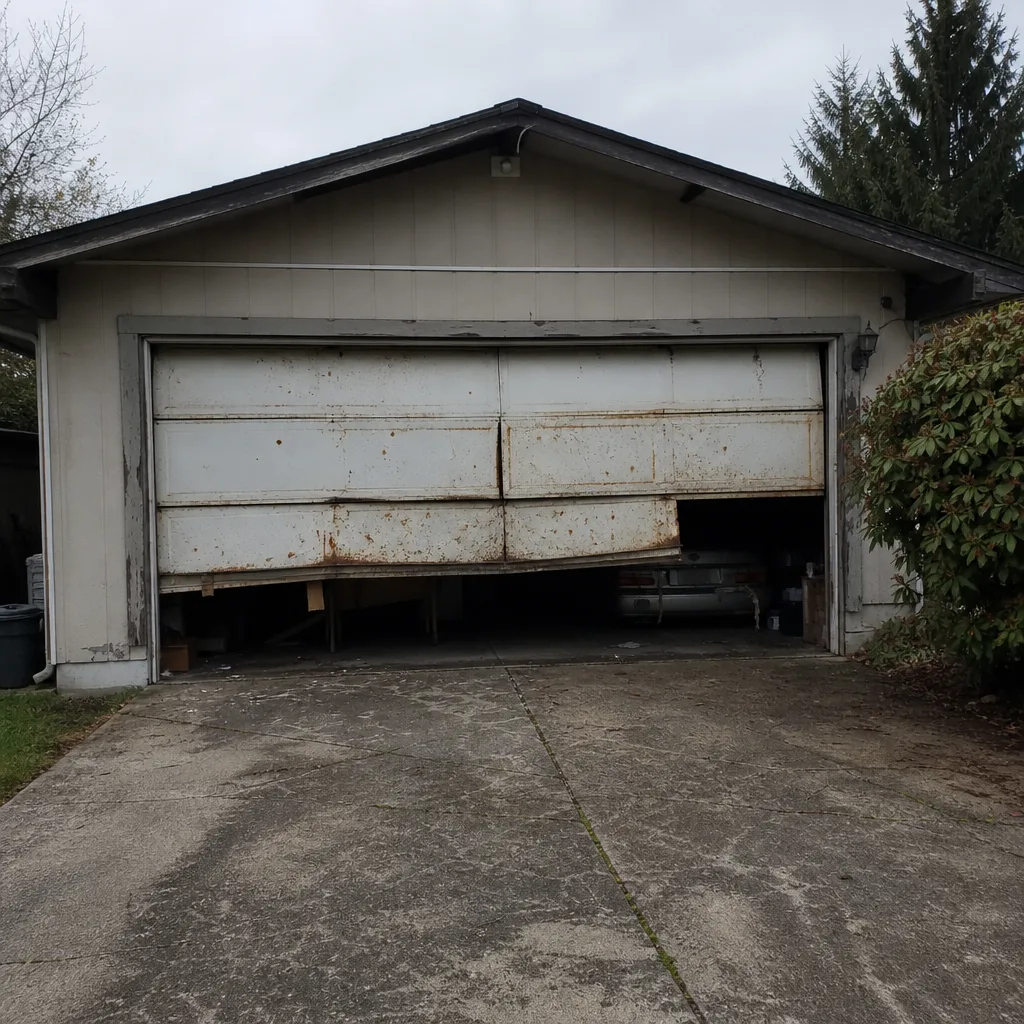 Before
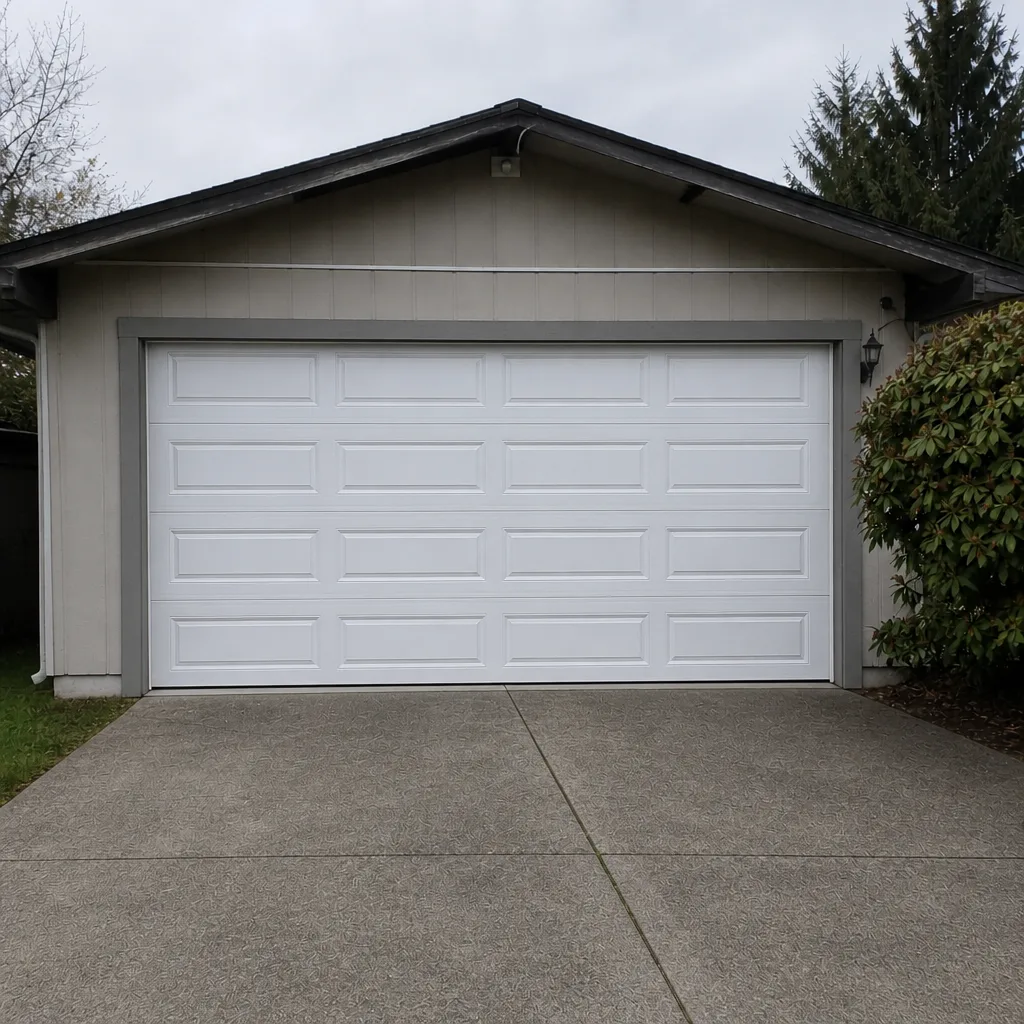 After
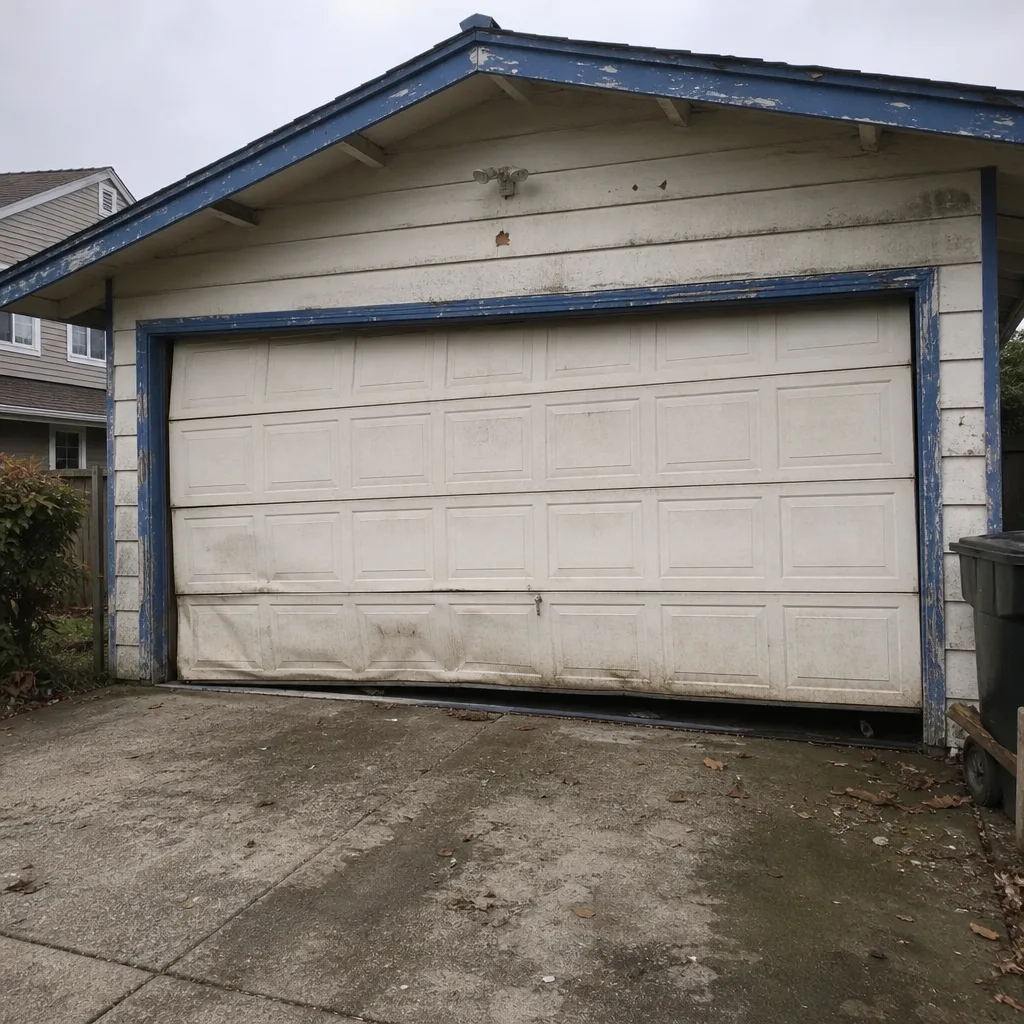 Before
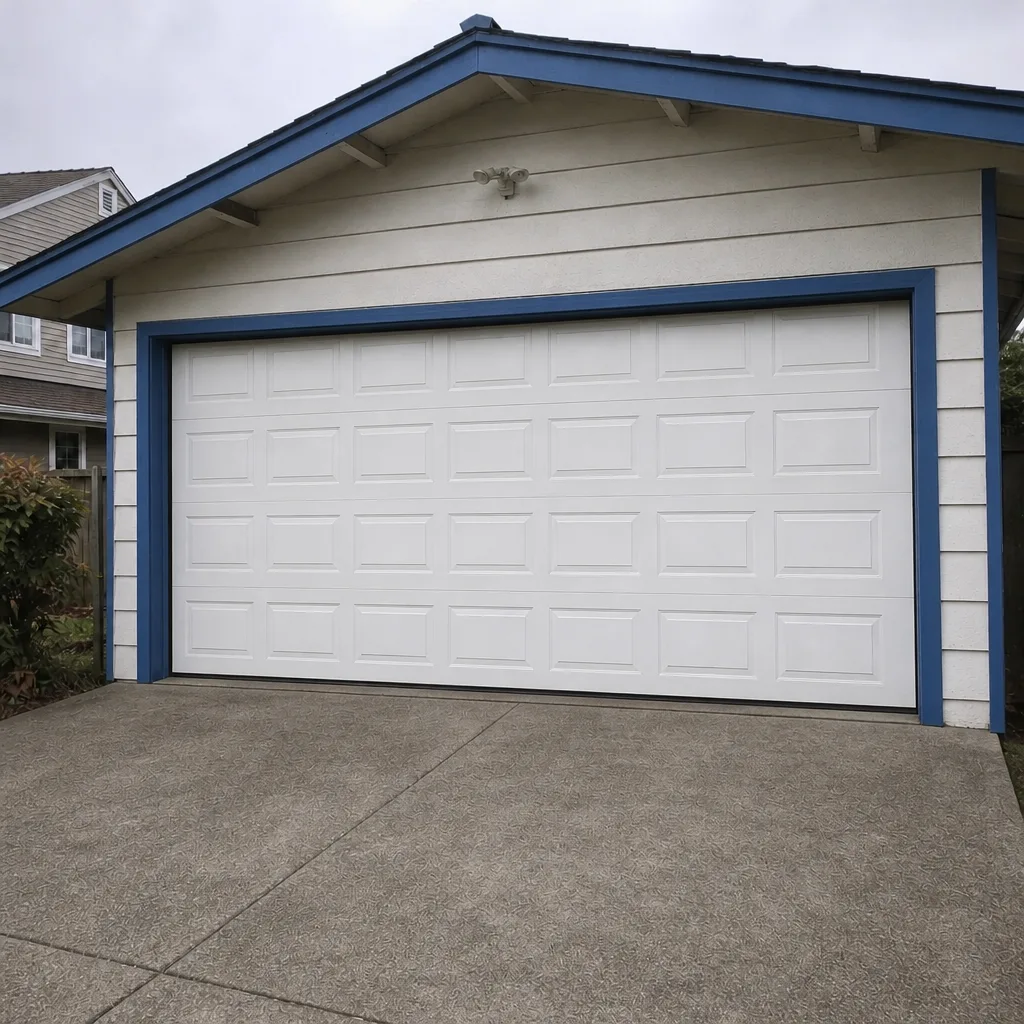 After
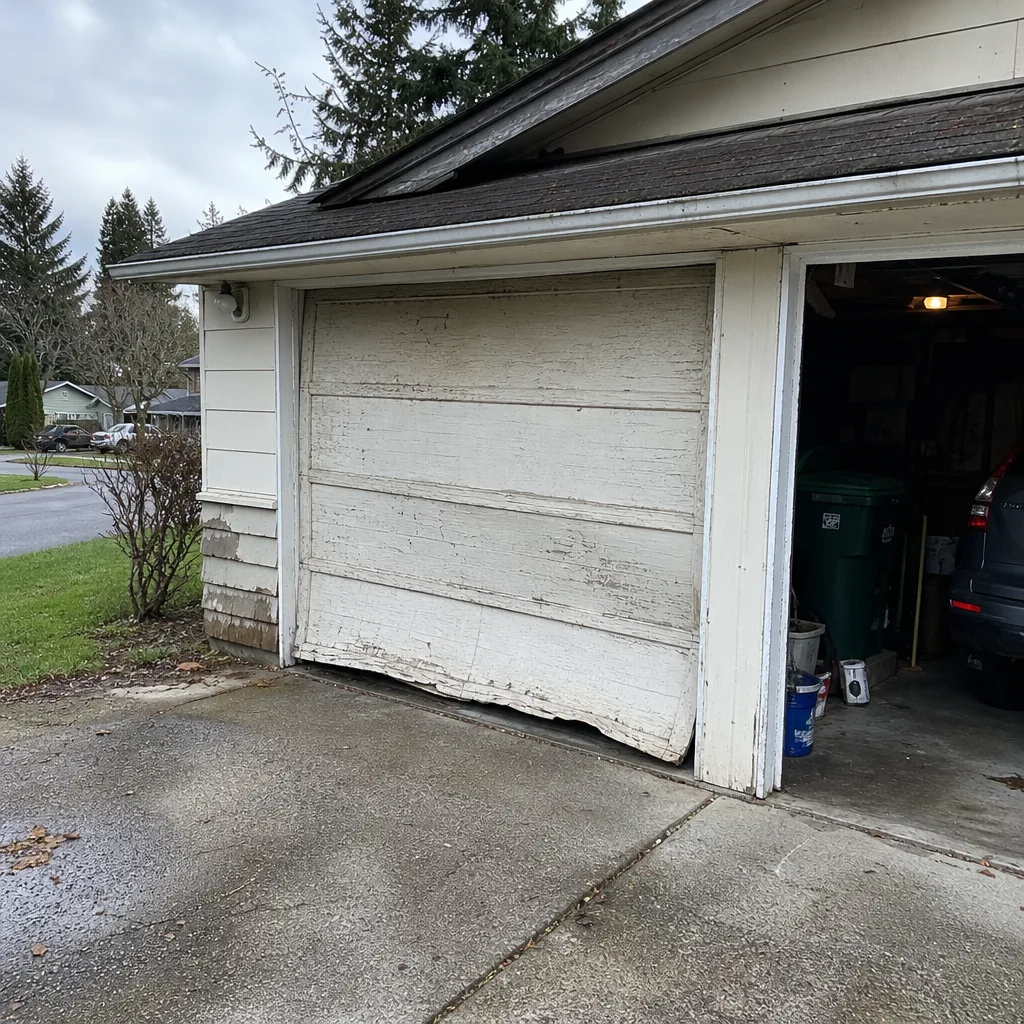 Before
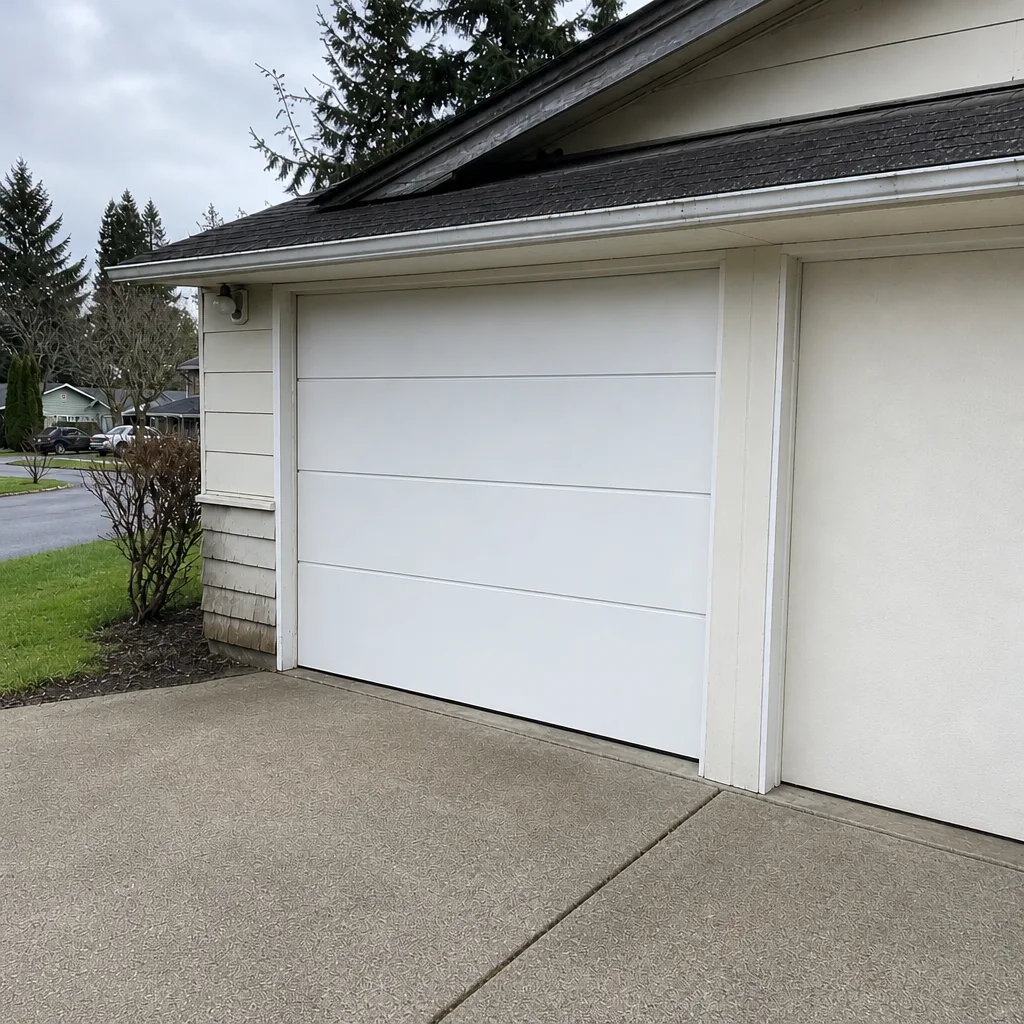 After
Frequently Asked Questions
A well-maintained garage door typically lasts 15 to 20 years here. The wet, mild climate is easier on doors than hard freezes or desert heat, but constant moisture does wear on the bottom seal, fasteners, and wood finishes. Regular maintenance is what keeps a door in that range. Skipped seals and moisture damage are the most common reasons a door fails earlier than it should. Call (833) 427-9172 for a free estimate on repairs or a new door.
Insulated steel is the best all-around choice for most Everett homes, because it handles long wet stretches without the upkeep wood needs. Wood looks great but needs regular painting or resealing. Composite options resist moisture but cost more. The right material depends on your home’s style and budget. Call (833) 427-9172 for a free estimate to walk through the options.
Same-day repair is often possible for springs, openers, rollers, and other common issues. Call (833) 427-9172. We answer 24/7. Fast dispatch from 7am to 7pm, Sunday through Friday. A call outside dispatch hours is booked into the next opening. A new door installation is a scheduled job, so that work is measured and booked in advance. Estimates are free either way.
No. The price is quoted and agreed before any work starts, and the written estimate sets the final price. We look at the door, confirm what’s needed, and give you a written number. If the scope changes because we find something new, we tell you before we do any additional work. For an exact quote, call (833) 427-9172. Estimates are free.
Yes. The technicians we connect you with are licensed and insured, and every job is priced by written estimate before work begins. You’ll know the price before the work starts, and the estimate you agree to is what you pay. Call (833) 427-9172 with any questions before booking.
Brand matters because parts fit and failure points differ from one brand to another. A part for a LiftMaster opener may not work on a Chamberlain unit, and knowing the common problems for each saves time and gets the door working sooner. We focus on eight widely owned brands, so most Everett homes already have a system we know. Call (833) 427-9172 to confirm we service yours. Estimates are free.
The Bottom Line
Garage door decisions in Everett come down to a few basics. Match the door to your home’s construction era and driveway grade. Choose insulated steel for the lowest total cost over a decade, or wood if appearance matters more than maintenance. Keep the bottom seal and the springs in good shape, because moisture and worn springs cause most failures. Know your brand, since parts availability for LiftMaster, Chamberlain, Genie, and others affects repair time. Repair first when the issue is mechanical. Replace when the door is structurally failing. And get a written estimate before work starts, so the price you agree to is the price you pay. If we can help, call (833) 427-9172 for a free estimate.
Written by the team at Oasis Garage Door Repair.