
Last updated November 15, 2026
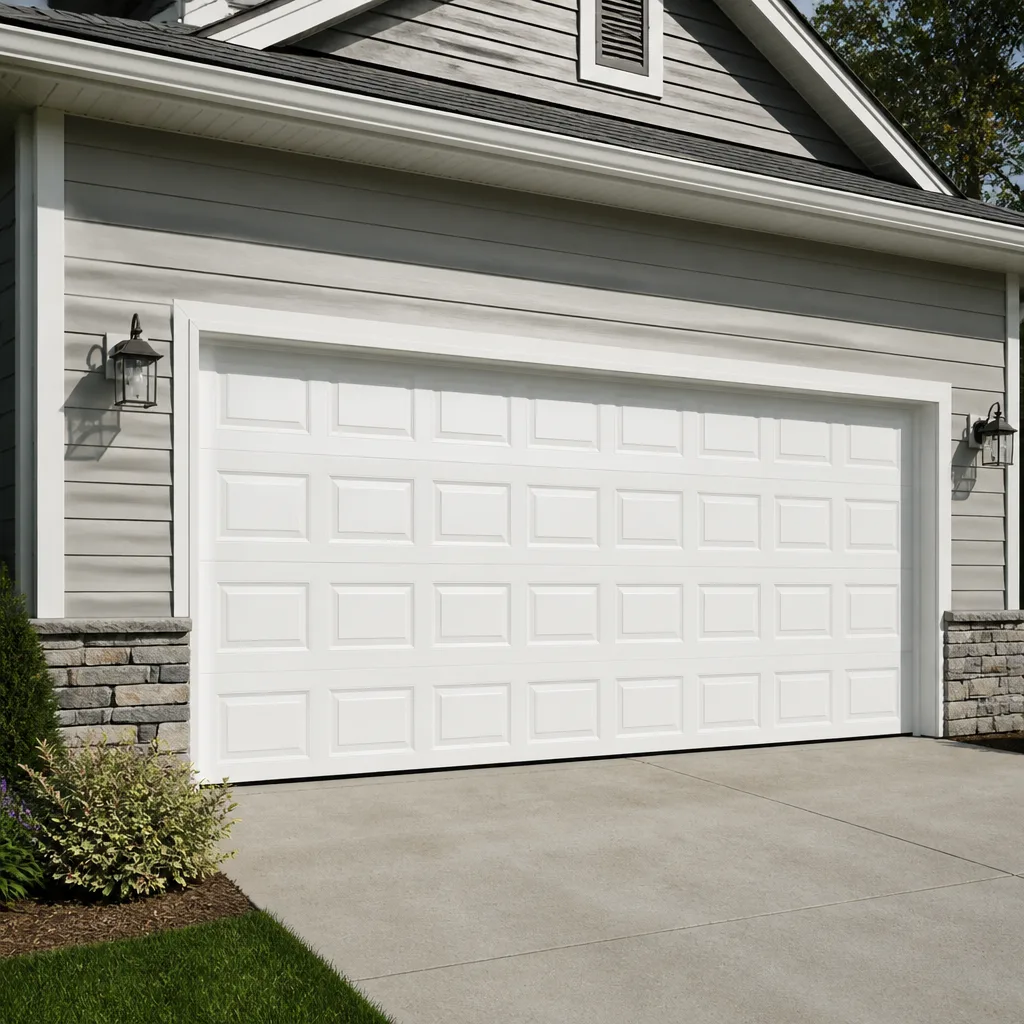 Raised-panel steel
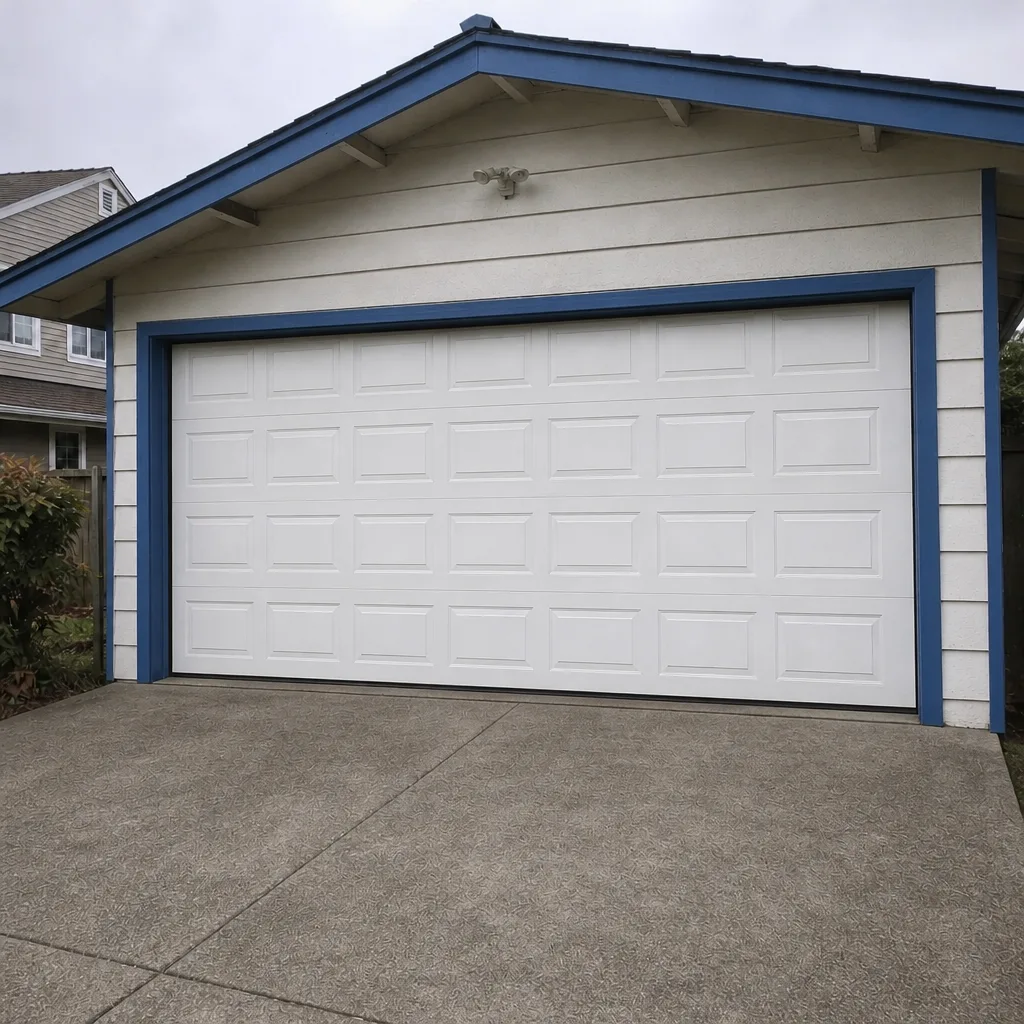
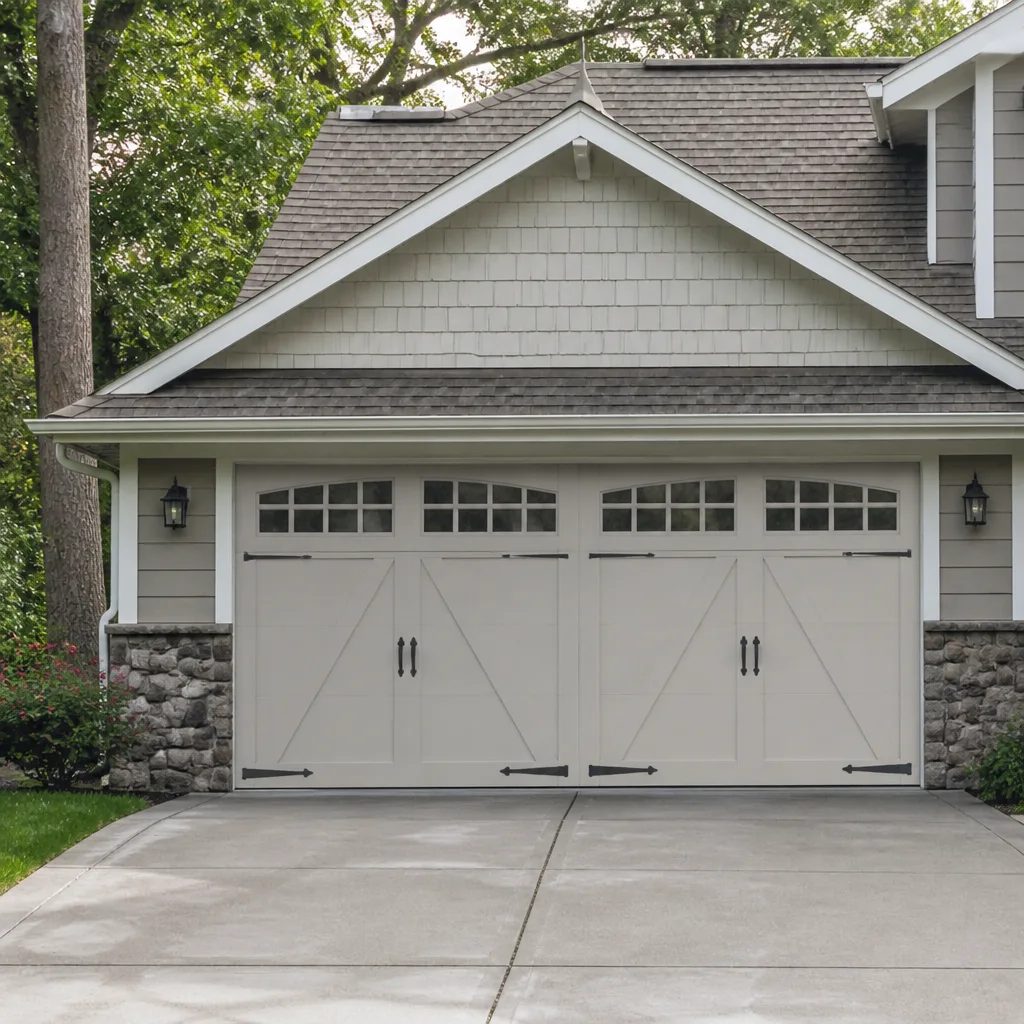 Carriage house
 Modern flush
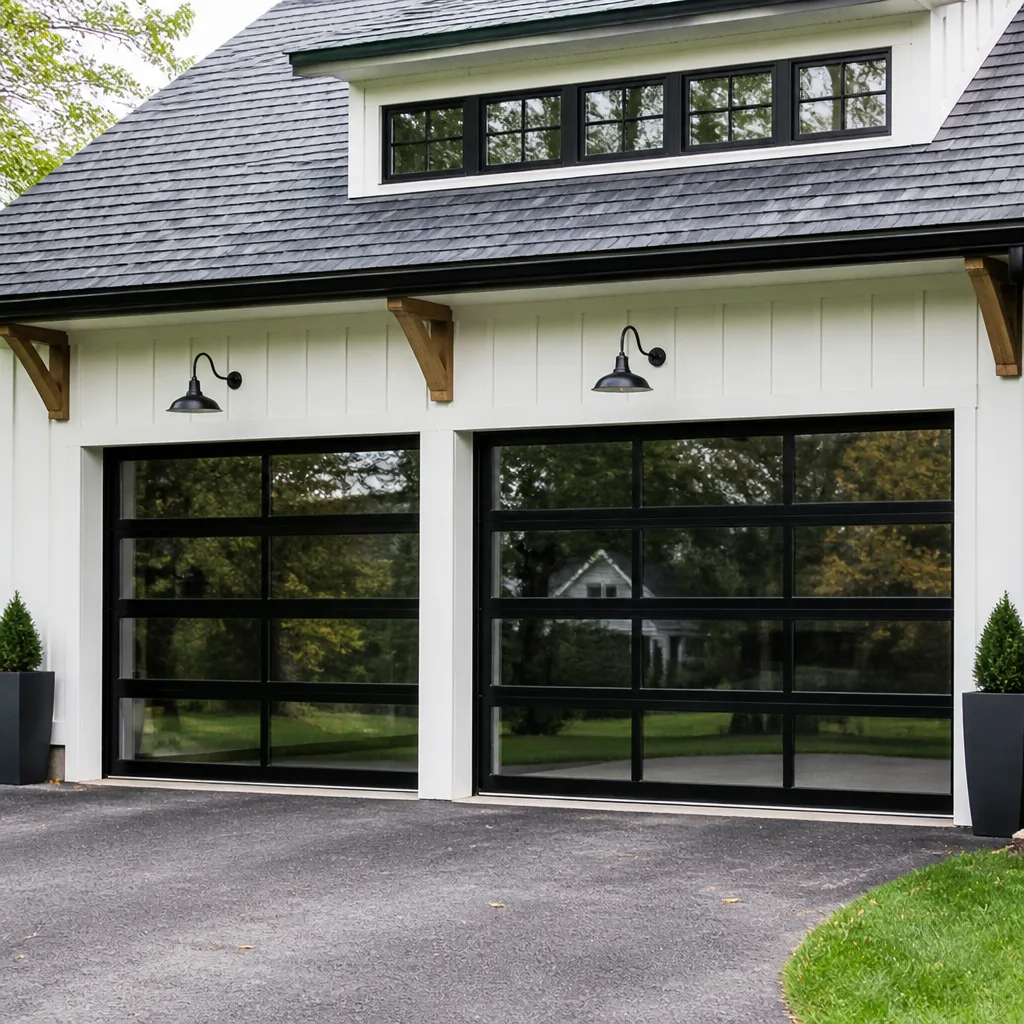 Full-view glass
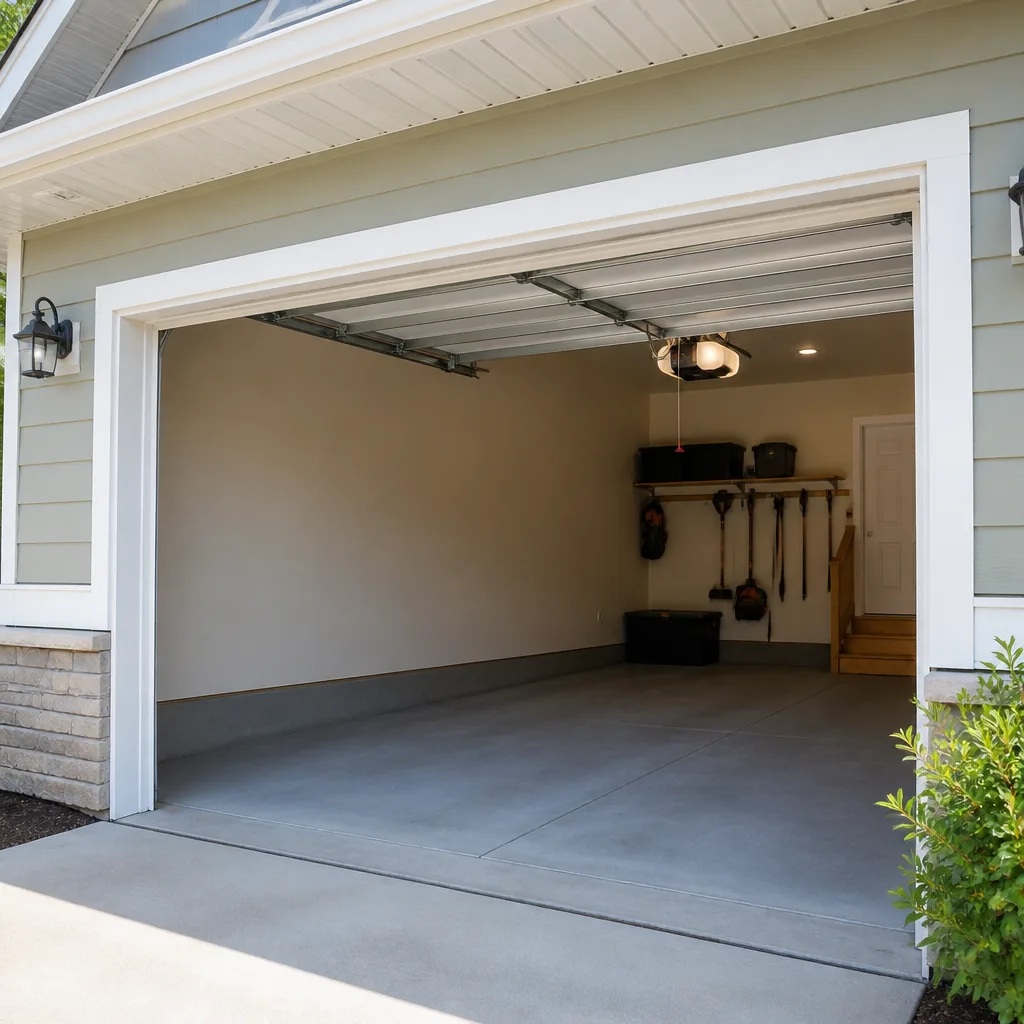 LiftMaster openers
 Chamberlain openers
Full 25-point door and opener safety check with every visit - springs, cables, rollers, tracks, and your LiftMaster or Chamberlain opener included
You get a price before we start. It does not change when the pro arrives.
Get your free estimateGarage Door Emergency Preparedness Guide for Everett Homes
Most Everett homeowners think of their garage door as an appliance. It’s really the heaviest moving object attached to the house, and it’s also the front door for most of us. The surprise isn’t that a door can fail. It’s how completely a single broken part can undo a morning: the car trapped inside, the kids waiting, the day rearranging itself around a panel that won’t lift.
What’s almost never talked about is that the worst moments don’t come from structural damage. They come from a homeowner standing in the driveway with no idea where the manual release cord is, or what to do when the spring snaps and the door slams shut on its own. This guide covers what actually happens here, what to do in the first five minutes, and what to have ready before anything goes wrong. You’ll finish with a plan, a checklist, and a card you can tape to the wall.
Styles & brands we work with
- Raised-panel steel
- Carriage house
- Modern flush
- Full-view glass
- LiftMaster openers
- Chamberlain openers
Quick Answer
Garage door emergencies come in three main types: a mechanical failure (usually a broken spring or snapped cable), an opener or electronics failure, or a power outage. For any door that won’t lift or has snapped hardware, stop operating it and call for repair – lifting a door with a broken spring is genuinely dangerous because the door can drop without warning. Our technicians have up to 10 years of experience and service the most common opener brands in Everett homes, including LiftMaster, Chamberlain, Genie, and Clopay. Call (833) 427-9172 for a free estimate.
Table of Contents
- The First Five Minutes: What to Do When the Door Won’t Move
- Manual Release Operation, Brand by Brand
- When a Spring Breaks Mid-Operation
- Power Outage Protocol
- After a Windstorm or Storm Event
- Building Your Garage Door Emergency Card
- What to Check Before Anything Goes Wrong
- Common Mistakes to Avoid
- When to Call a Professional
- Frequently Asked Questions
The First Five Minutes: What to Do When the Door Won’t Move
When a garage door stops responding, the instinct is to hit the button again and again. That’s the wrong move. Repeating a command on a jammed system can compound the failure – a door that’s partially off track won’t fix itself with more attempts, and a binding cable can snap clean. What you want to do instead is diagnose, safely and quickly, and then decide.
Work through these steps in order:
- Stop pressing buttons. Give it thirty seconds. Check whether the opener’s light is on, whether it beeps, or whether the remote’s battery is dead.
- Look at the door itself. Are the panels sitting level? Is one corner lower than the other? Is there a visible gap at the top, or is the door hanging at an odd angle?
- Check the tracks. Run your eyes along both sides. Any bend, kink, or gap where the roller has come out of the channel tells you the door is off track.
- Listen. A grinding sound under load, a hum without movement, or a snap followed by silence each point to a different failure.
- Look for the spring. A torsion spring sits above the door, mounted to a shaft across the top. An extension spring runs along each side of the track. A broken spring shows a visible gap in the coil. Do not touch it.
- Decide: manual or call. If the door looks level, the tracks are clean, and the opener is dead, you may be able to release it manually. If anything looks crooked, bent, or broken, stop here and call.
The distinction matters. In our experience working on Everett doors, the most common cause of a garage door emergency turning into a worse mistake is a homeowner trying to lift a door with compromised springs or a snapped cable. The door weighs what it weighs – usually a few hundred pounds – and the springs are what make it feel light. Without them, there’s nothing holding the door up. Call (833) 427-9172 and we’ll walk you through what to do until a technician is on the way.
Manual Release Operation, Brand by Brand
Every modern opener has a manual release, and every manual release works the same way in principle: you pull a cord to disconnect the door from the opener’s carriage, then lift the door by hand. But the location of the cord, the type of carriage, and the way the release engages vary enough between brands that it’s worth knowing yours before you need it.
Here’s the general procedure that applies to nearly every residential opener in an Everett home, followed by the brand-specific notes.
- Make sure the door is fully closed. Never release a door that’s partially open. It will drop.
- Find the release cord. It’s usually a red or black rope hanging from the opener’s carriage – the metal bracket on the rail. Some setups have a short handle instead.
- Pull the cord straight down. You’ll feel or hear the carriage release. The rope should stay hanging.
- Lift slowly with both hands. Lift from the bottom panel, not the handles or hinges. If the door feels heavy in the first few inches, stop – a spring or cable is compromised and the door isn’t safe to raise by hand.
- When you’re done, reconnect the carriage. With the door fully closed, pull the carriage lever back up; the opener will reconnect the next time it runs.
Brand-specific notes
- LiftMaster and Chamberlain: These two share much of their carriage design and manual release configuration. Both standard and belt-drive models have the release cord hanging from a trolley carriage on the rail. If you have a smart-enabled LiftMaster, note that the app will still show the door as closed until the carriage re-engages.
- Genie: Genie’s carriage systems are similar, but some older models have a slightly shorter release cord that can be harder to reach on a tall ceiling. If yours is above head height, a hook or a stepladder used safely makes it easier.
- Clopay doors: The door brand isn’t the opener brand, but it matters for one reason: heavier doors – which some Clopay models are – can be too heavy to lift even with a fully working spring. Know what your door weighs.
When we service garage door opener repair in Everett, the most common homeowner question is where the manual release is. If you can’t find yours, or you aren’t sure it will engage, call us and we can walk you through it. We know the carriage designs on the models most homes here have.
When a Spring Breaks Mid-Operation
A spring breaking is the single most dangerous garage door failure in the trade. When a torsion or extension spring fails, the counterbalance that holds the door up is gone. The door becomes a dead weight – usually a couple of hundred pounds – held only by the opener. The opener will try to lift or lower that weight and, in most cases, either the door drops or the opener strips its gear and stops.
What to do in the first minute:
- Get out from under the door. Step to the side. Do not try to catch or stop it.
- Do not touch the spring. Broken springs can have residual tension, and torsion springs carry substantial stored energy. They aren’t something to inspect by hand.
- Do not run the opener. If the door is already partly up and the opener tries to close it, you can lose control of the door. Pull the release cord to disconnect, then leave the door where it is.
- Do not try to open or close the door by hand. A door with a broken spring is not an operable door. Trying to force it strains the track and risks dropping the door.
- Block access. If the garage is the household’s main entry, or if anyone could walk into it unaware, wedge the door open or closed so no one can walk through and get hit.
- Call for repair. This is not a same-day-you-can-do-it-yourself job. Spring replacement requires proper sizing and tensioning.
Our technicians have up to 10 years of experience replacing springs across the brands most Everett homes have. When we come out, we’ll confirm the door is safe, replace the spring or springs (matched pairs are usually replaced together), and check the door balance before we leave. Call (833) 427-9172 – estimates are free and we can often get to a spring repair same day.
Power Outage Protocol
Everett storms knock out power. That’s not a hypothetical. When it happens, the garage door becomes a manual door, and whether that’s a five-second process or a forty-minute ordeal depends entirely on whether the homeowner knew where the release was. Here’s how to handle an outage, whether it lasts ten minutes or most of the day.
If your opener has a battery backup
Many of the LiftMaster and Chamberlain models in use around Everett have a battery backup option, which kicks in automatically when wall power drops. If yours does, you’ll get a number of open-and-close cycles out of the battery – enough to get the car out and keep the garage functional through a short outage. Test the battery periodically. The opener’s light or beep pattern usually signals whether the backup is at full charge.
If your opener doesn’t have battery backup
- Confirm the door is fully closed.
- Pull the manual release cord to disconnect the door from the opener carriage.
- Lift the door by hand. With a working spring, a well-balanced door lifts with one hand. If it’s heavy, stop – do not force it.
- When power returns, close the door fully, then reconnect the carriage by pulling the release lever back into position. Run the opener once to confirm the carriage has re-engaged.
When to call during an outage
Don’t call just because the power is out – call if the door is stuck partway, if you can’t find or release the manual cord, if the door is unusually heavy when you try to lift it, or if you’re not able to get the car out and need to. If the door won’t open and the household is relying on the garage for access, call (833) 427-9172. We answer 24/7, and if it’s outside dispatch hours, we’ll book it into the next opening, Sunday through Friday, 7am to 7pm.
After a Windstorm or Storm Event
Everett’s storm season produces the kind of weather that stresses everything attached to the house – driving rain, sustained wind, and the occasional fallen or stressed branch. Garage doors are more vulnerable than most homeowners expect, mostly because they present a broad, flat surface to any wind that gets under an edge, and because the panels and weatherstripping are the parts that fail first.
What to inspect after a windstorm
- Check the bottom seal. Wind-driven rain can work under the seal. If it’s torn, split, or coming away from the door, water gets in.
- Look for debris. Small branches, gravel, or roof shingle fragments can lodge against the door or in the tracks.
- Check the panels for dents. A branch contact usually leaves a visible dimple or a misaligned panel edge.
- Look at the tracks. Wind pressure can bow a track slightly out of alignment, even if the door still opens.
- Open and close the door once, slowly. Listen for new noises or uneven movement. If anything sounds different, stop and have it checked.
- Check the weatherstripping along the sides and top. If water is coming in after a storm, the seal is the first suspect.
What to inspect after a branch strike or impact
If a branch or object hits the door, look for panel deformation, a hinge that’s bent out of position, or a roller that’s popped out of its track. Do not try to open the door if it’s visibly bent or off track – running the opener on a misaligned door can drive the panel into the opener carriage and make things worse. Call for a repair assessment. We handle impact repairs on the door brands Everett homes have – Clopay, Amarr, Wayne Dalton, and more – and can usually tell you over the phone whether it’s safe to operate.
Hail isn’t a common issue in this part of the state, so if you’ve had a weather event and you’re inspecting afterward, focus on wind and water damage rather than hail marks. Our technicians have up to 10 years of experience assessing storm damage in this climate, and free estimates are available for any repair you’re not sure about.
Building Your Garage Door Emergency Card
Here’s the single most useful thing you can do for your garage door: make a card that lives on the wall next to the door, inside the garage, or in the glovebox of the car that parks there. In an emergency – and especially in an emergency where you’re already stressed – you don’t want to be looking up model numbers on your phone.
The card should have these items:
- The opener brand and model. Open the housing cover or look at the side label. Note the exact model number.
- The door brand and material. Clopay, Amarr, Wayne Dalton, and others vary in weight and panel design. Note the brand and whether it’s steel, aluminum, or wood.
- Approximate door dimensions. Width and height. A tape measure and thirty seconds.
- The manual release location. Describe it in plain terms: “red cord hanging from the rail about halfway back.” Include a sticker or a dot on the rail so anyone can find it.
- Whether the opener has battery backup. Note it and note the battery’s last tested date.
- Emergency contact. Oasis Garage Door Repair: (833) 427-9172. We answer 24/7.
- Any prior repairs. New spring installed, opener replaced – note what was done.
Keep the card in a resealable bag taped to the wall behind the door, so it stays dry. If a technician is out for a repair, they can add to it. A card like this turns the worst five minutes of the year into something you can handle without a search engine.
What to Check Before Anything Goes Wrong
Preparedness is mostly about noticing small things before they become big ones. A garage door gives you a lot of warning if you know what to look for. Our technicians have up to 10 years of experience spotting the early signs on Everett doors, and most of what they catch is visible from the driveway.
- The balance test. Pull the release cord and lift the door by hand to about halfway. Let go. A well-balanced door holds roughly where you left it. A door that drops or that lifts with heavy effort needs spring attention.
- The sound test. A healthy door is quiet. Squeaks, grinding, or a rhythmic thump usually mean a roller, hinge, or track is starting to wear.
- The sag test. Look at the door from the bottom of the driveway. If one corner is lower than the other when closed, or one side is catching, the door may be off level.
- The weather test. Run a hand along the bottom and side seals. If you feel air or daylight, the seal has failed and water will follow.
- The gap test around the spring. Look at the torsion spring above the door. A visible gap in the coil is a break – schedule repair before it fails under load.
- The remote test. From the end of the driveway, does the remote engage first press? If not, change the battery before assuming an opener failure.
Once a year is usually enough for these checks, with one caveat: after any storm, do the quick visual pass. It’s cheap. It’s fast. And it’s how you avoid the “why didn’t I notice that” moment later. When a check turns up something you aren’t sure about, our garage door repair team in Everett can take a look – free estimates, and we won’t recommend replacement if the door is repairable. Repair-first is the philosophy we work by.
Common Mistakes to Avoid
- Pulling the release cord on a door that’s partially open. The door will drop. Release only when the door is fully closed, and never when it’s up or in motion.
- Forcing a door that’s off track or off balance. Running the opener or hand-lifting a door that’s visibly crooked can turn a repairable panel into a full replacement. If anything looks bent or the door isn’t level, stop and call.
- Ignoring a spring that looks “sagging” or has a gap. A spring doesn’t fail gradually – it snap-fails. If you see a gap in the coil, that spring is done, and the door is not safe to operate.
- Assuming the remote has a problem when the door does. If the opener light comes on when you press the remote but the door doesn’t move, the problem is likely in the door hardware, not the remote or the opener. Check the door before buying new batteries.
- Not testing the manual release until you need it. The cord needs to actually pull the carriage. Test the release once a year – not during an outage. It’s a two-minute check that could save you a locked-in-the-garage morning.
- Calling for an opener replacement when a battery backup or a capacitor is the issue. We see plenty of openers replaced when a ten-minute repair would have solved the problem. Opener repair is a distinct service from opener replacement, and the right answer isn’t always a new one.
- Leaving the garage door as the “someday” project. If the door is your main entry – and in most Everett homes it is – a door that “sometimes” sticks is a door that will fail at the worst possible moment. Address it before it does.
When to Call a Professional
There are plenty of garage door issues that don’t need a callout. A dead remote battery, a mis-aimed safety sensor, a bit of debris in the track – all things you can handle without a service visit. But there are specific scenarios where calling is the right call, and quickly:
- The spring has broken or shows a visible gap in the coil.
- The door is off track, crooked, or hanging at an angle.
- The door is unusually heavy to lift by hand or drops when released.
- The opener runs but the door doesn’t move, or moves only a few inches.
- You’ve been locked out of the garage and the manual release won’t disengage the carriage.
- After storm damage, or after a branch or object has impacted the door.
Oasis Garage Door Repair offers free estimates in Everett – call (833) 427-9172. We answer 24/7, with fast dispatch from 7am to 7pm, Sunday through Friday. When we’re out, we work on the brands most Everett homes have – LiftMaster, Chamberlain, Genie, Clopay, Amarr, Wayne Dalton, Craftsman, and Raynor – so we’re not learning your system from scratch. Full-lifecycle service means we handle the repair, the opener, or the install as a single job, and the price is quoted and agreed before any work starts.
Frequently Asked Questions
Stop pressing the opener button and don’t try to force the door. Check whether the opener is responding at all – a light or beep tells you the electronics are alive. Then look at the door itself: is it level, are the tracks straight, does the spring show a gap. If anything looks broken or bent, call for repair. If the door looks level and the opener is simply dead, you may be able to release it manually. Call (833) 427-9172 if you’re not sure – we’ll walk you through next steps, and estimates are free.
Look at the metal carriage on the rail that the door attaches to; the release cord hangs down from it, usually red or black. Pull it straight down with the door fully closed, then lift the door by hand. Never pull the release with the door partially open. If you can’t find it, our opener repair team knows the carriage design on both brands and can point you to it – call (833) 427-9172.
The door becomes a dead weight, held only by the opener, and it may drop. Get out from under it, don’t touch the spring, and don’t run the opener again. Pull the release cord to disconnect, block access to the door, and call for repair. A broken spring isn’t a job to attempt yourself – the stored tension in a torsion spring is substantial. Our technicians have up to 10 years of experience on spring replacement. Call (833) 427-9172 for a free estimate.
Only if you don’t know where the manual release is. With the door fully closed, pull the release cord to disconnect from the opener, then lift the door by hand – a balanced door with a working spring lifts easily. If your opener has a battery backup (common on LiftMaster and Chamberlain models), the door will operate normally for several cycles until the power returns. If it won’t lift by hand, or you can’t release it, call (833) 427-9172. We answer 24/7.
No. A door that’s stuck mid-travel is a door with a compromised spring, a broken cable, or a partially off-track roller – and forcing it can drop the door or bend the panels. Pull the release cord if it will disengage, and leave the door where it is. Then call. Fast dispatch from 7am to 7pm, Sunday through Friday. If you call outside those hours, we’ll book the next opening. Call (833) 427-9172.
Look at the opener’s housing – most battery backup units have a small battery compartment cover on the side or bottom, labeled as such. If the model name includes a battery backup designation, the unit is equipped. You can also check the manual. Test the battery by running the door with power disconnected; if the door moves one or two cycles, the battery is working. If it doesn’t, the battery or the charger is the issue. Call (833) 427-9172 for any opener issue – our team knows the LiftMaster, Chamberlain, Genie, and Craftsman models most homes here use.
The Bottom Line
Preparedness for a garage door emergency comes down to three things you can do right now: know where your manual release is, make a card with your opener and door details, and stop treating a sticking door as a someday project. A door that fails is almost always a door that was telling you something first. In Everett, the most common failure we see could have been caught with a five-minute balance check weeks earlier. Get familiar with your door, know the Oasis team’s number, and keep the emergency card on the garage wall where it belongs. If a repair is on your list, an Oasis Garage Door Repair estimate is free – call (833) 427-9172.
If this guide has raised questions about your own door, our team serves homeowners throughout Everett, from Silver Lake to Riverside to the homes near the waterfront, and we’re happy to take a look. We answer 24/7. Fast dispatch from 7am to 7pm, Sunday through Friday.
Written by the team at Oasis Garage Door Repair.
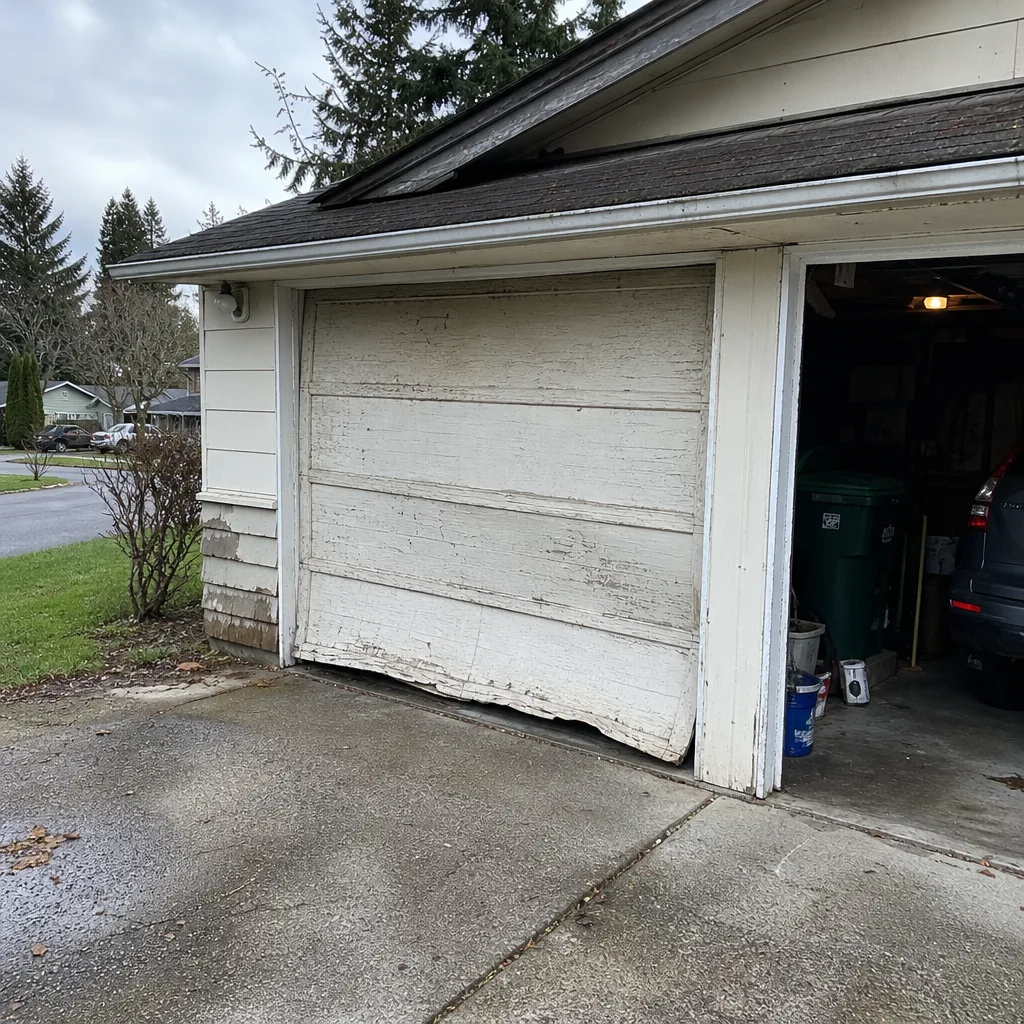
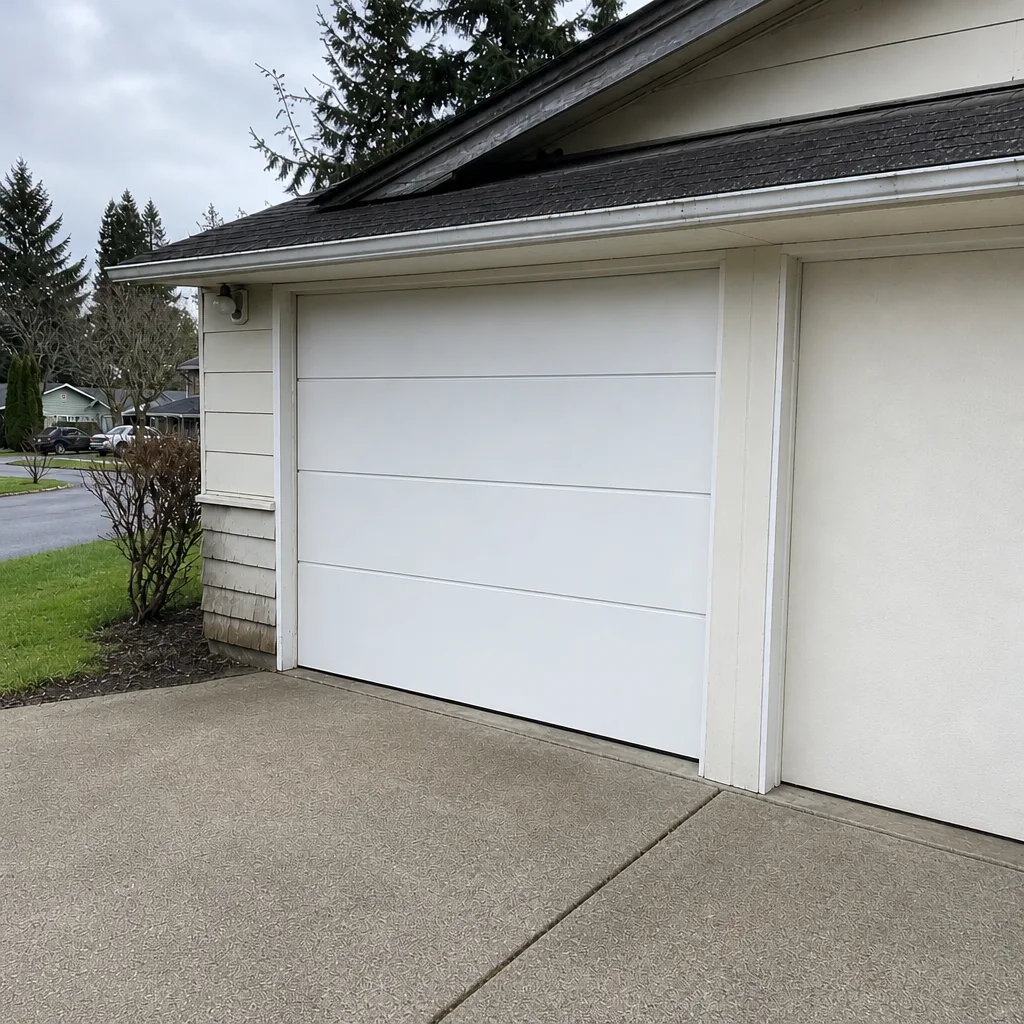
See the difference
 Before
 After
 Before
 After
 Before
 After