
Last updated November 15, 2026
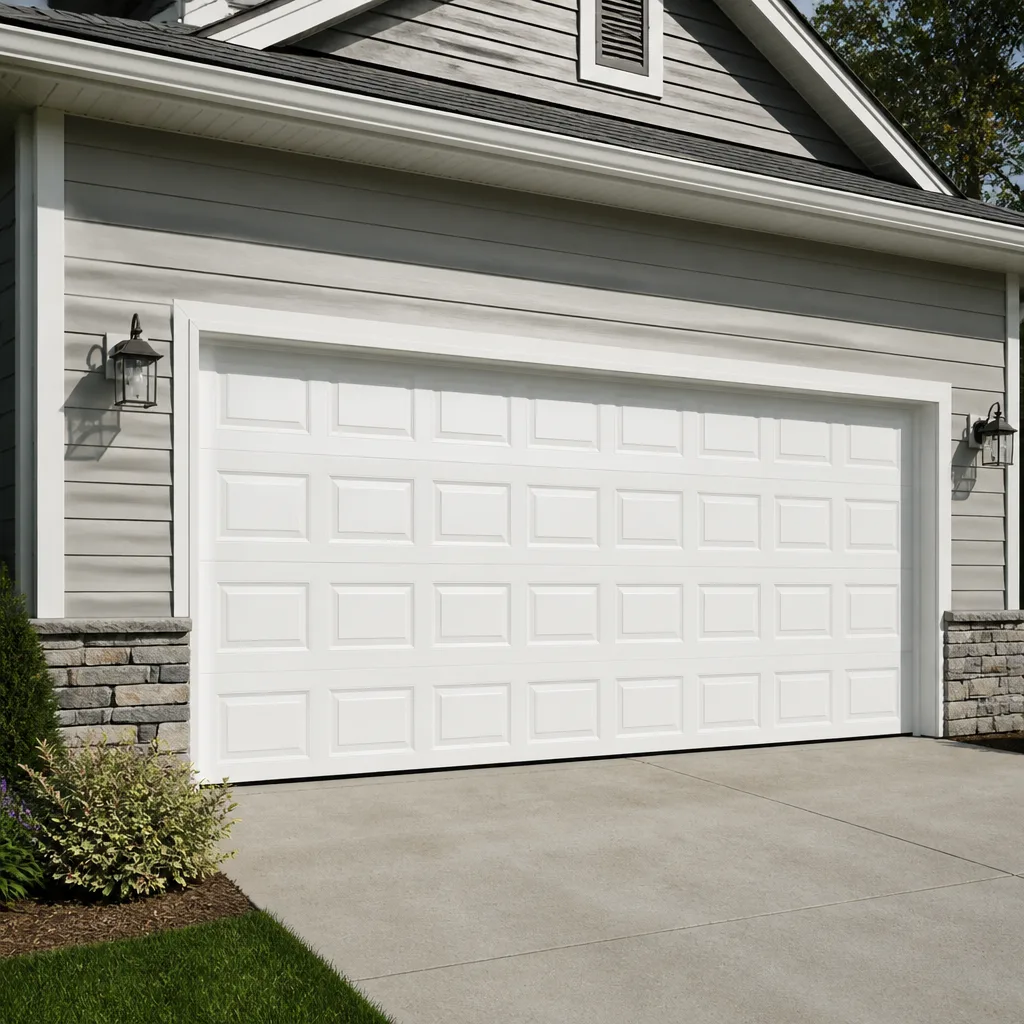 Raised-panel steel
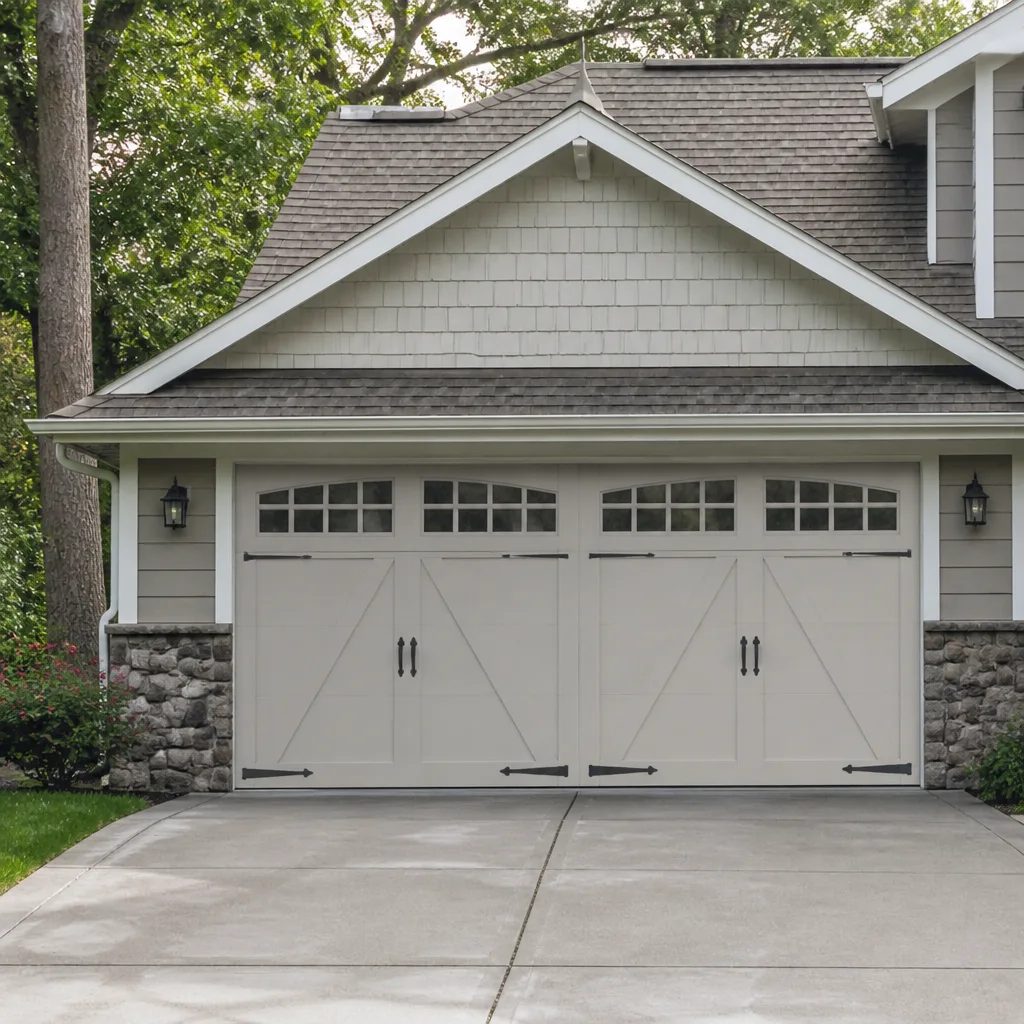 Carriage house
 Modern flush
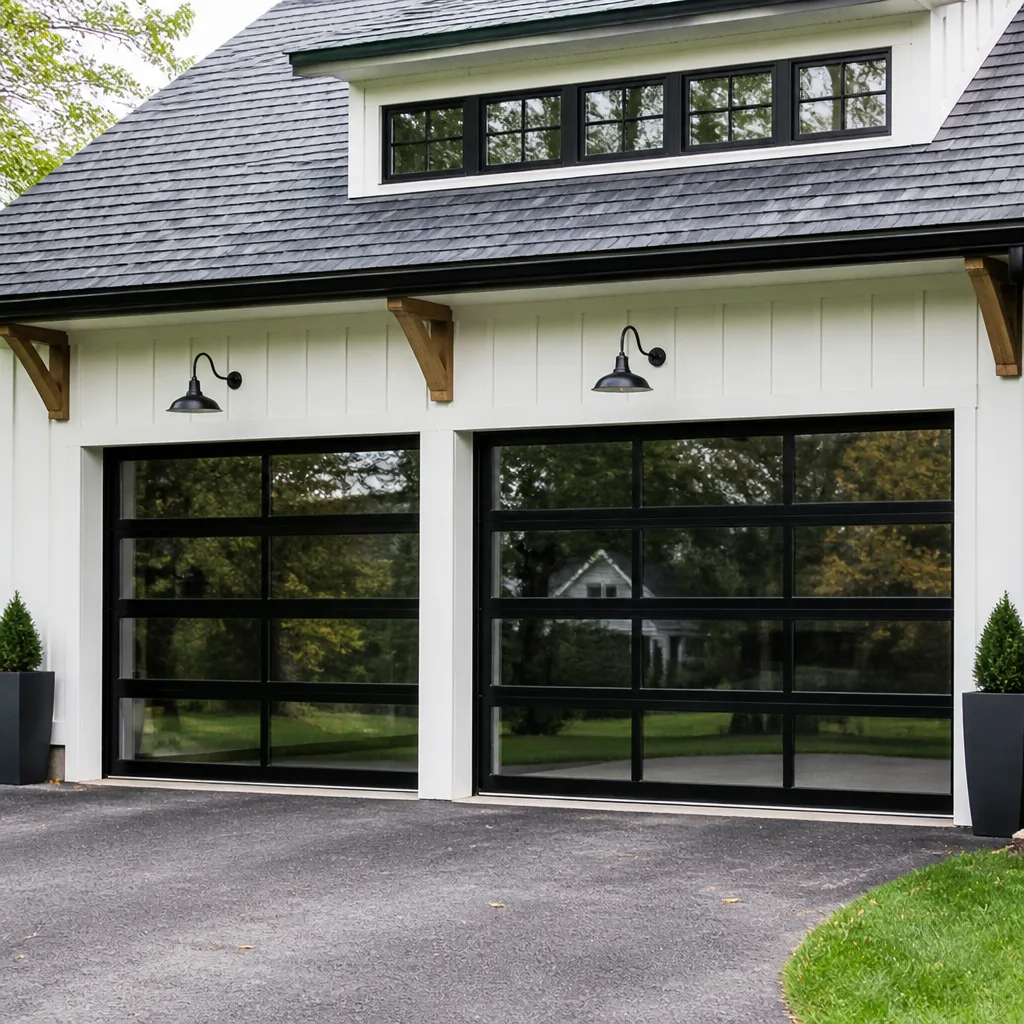 Full-view glass
 LiftMaster openers
 Chamberlain openers
Full 25-point door and opener safety check with every visit - springs, cables, rollers, tracks, and your LiftMaster or Chamberlain opener included
You get a price before we start. It does not change when the pro arrives.
Get your free estimateGarage Door Repair Maintenance Schedule: What to Do and When
Most garage door openers get their first drop of lubricant the day they’re installed, then nothing for years. Meanwhile the springs fighting that opener’s weight run through tens of thousands of cycles, rollers flatten quietly, and cables fray one strand at a time. The door keeps working – until it doesn’t, all at once, usually on a morning you can’t be late. That mismatch is behind most “sudden” breakdowns we see around Everett: the parts were on completely different clocks, and nobody tracked either one. This guide assigns every component its own realistic interval, so you can catch wear early instead of paying for it later.
Quick Answer
A garage door maintenance schedule should be layered, not annual. Lubricate rollers and hinges every six months, inspect cables and hardware quarterly, check spring tension once a year, test the door balance and opener force twice a year, and reseal weatherstripping each fall before the Everett rainy season. Spreading tasks across those intervals catches wear before it becomes a repair.
Styles & brands we work with
- Raised-panel steel
- Carriage house
- Modern flush
- Full-view glass
- LiftMaster openers
- Chamberlain openers
Table of Contents
- Why a Layered Schedule Beats an Annual Tune-Up
- Component-by-Component Schedule
- The Balance Test and Force Test Your Opener Warranty Depends On
- Seasonal Adjustments for the Pacific Northwest
- Building a Maintenance Log That Actually Helps
- Three Tasks That Void Opener Warranties When Skipped
- What You Should Never Adjust Yourself
- Common Mistakes to Avoid
- When to Call a Professional
Why a Layered Schedule Beats an Annual Tune-Up
A garage door is not one machine. It’s a stack of systems that happen to share a track: springs that store energy, rollers that carry load, cables that hold tension, an opener that drives the whole thing, and a seal that keeps weather out. Each of those lives on a different timeline, and treating maintenance as a single yearly appointment means four or five of them slip past their failure point between visits.
Think about it in terms of the parts that move most. A roller turns every time the door moves. A spring flexes every cycle too, but its wear is measured in tension loss rather than surface friction. A weather seal doesn’t wear at all in the sense a roller does – it compresses, relaxes, and loses its seal gradually through seasonal temperature swings. You can’t service all three on the same calendar and get the same result.
Our technicians have up to 10 years of experience on residential doors, and the pattern is consistent: the doors that fail early are almost always the ones nobody looked at between breakdowns. The doors that hold up are the ones where someone caught a noisy roller or a slightly slack spring before it turned into a snapped cable.
What a layered schedule gets you:
- Early warning. A quarterly cable check catches a fraying strand months before it fails.
- Smaller repair bills. A garage door repair for one worn part costs far less than one that drags a cable or panel with it.
- Longer opener life. A balanced, lubricated door demands less from the motor, and motors that don’t strain last longer.
- Warranty protection. Manufacturers like LiftMaster and Chamberlain require balance and force testing, and skipping it can void coverage.
If you only take one thing from this guide, take the idea that maintenance is a schedule of intervals, not a single chore. Everything below builds that out.
Component-by-Component Schedule
Here’s the honest breakdown of intervals, part by part. These are the ranges we work with on residential doors in the Everett area, adjusted for the way the regional climate loads each component.
Springs: Annual Tension Check
Springs do the heavy lifting, and they’re also the part most likely to fail without notice. Have them checked for tension loss and visible wear once a year. A torsion spring that’s lost tension makes the opener work harder and shows up as a door that feels heavier than it used to. Extension springs are more prone to visible stretching. Either type can last years or fail far sooner depending on cycle count, and an annual check gives you an early read.
Rollers: Lubricate Every Six Months, Replace Around Seven Years
Rollers are a friction part, so they need attention twice a year. Nylon rollers are quiet and generally run about seven years before the bearings wear and they start to rumble. Steel rollers can go longer with regular lubrication but run louder. If any roller wobbles, has a flat spot, or sounds rough when you spin it by hand, it’s done – replace it before it chews the track.
Cables: Quarterly Visual Inspection
Cables don’t need lubrication – they need eyes on them. Check quarterly for fraying, kinks, or rust. A cable with even one broken strand has lost most of its strength and should be replaced as a matched pair with its partner. Cables are under extreme tension and are not a homeowner adjustment; more on that in the safety section below.
Weather Seal: Annual Compression Test
Walk to your closed door and look at the bottom seal. If you can see daylight, feel a draft, or slide a piece of paper under it at any point along the width, the seal has stopped doing its job. In Everett, that matters more than it does in drier climates, because a failed bottom seal lets rain-driven moisture into the gap between door and slab. Test it once a year in early fall, before the wet season sets in.
Hinges and Hardware: Lubricate Every Six Months
Hinges, bearing plates, and the torsion bar all benefit from a light lubricant every six months. Use a garage-door-specific lubricant, not household oil or WD-40, which attract grit. A quick pass on the hinge points and the length of the torsion bar keeps the whole system running quieter and reduces strain on the opener.
Opener: Twice-Yearly Balance and Force Test
The opener itself needs the least lubrication and the most testing. Twice a year, run the balance test and the force resistance test described in the next section. If your opener is a garage door opener repair candidate because of a reversing problem or a grinding noise, that test is often the first diagnostic step.
The Balance Test and Force Test Your Opener Warranty Depends On
Most homeowners have never run either test. Both are simple, both are in the documentation for nearly every major opener brand, and both are listed as conditions of the manufacturer’s warranty. Skip them and you may lose coverage on a motor you thought was protected.
The Balance Test
The balance test checks whether the door’s springs are doing their share of the lifting. If the springs are slack and the opener is carrying the weight, the motor wears faster and the door can reverse unpredictably.
- Disconnect the opener by pulling the manual release handle (the red cord) so the door moves freely.
- Lift the door to about waist height by hand and let go.
- A balanced door stays roughly where you left it. A door that drops quickly means the springs have lost tension and need professional adjustment.
- Reconnect the opener. Never leave the door disconnected with the opener running.
If the door falls on step three, don’t try to tighten the springs yourself. That’s a professional adjustment, both because it requires special winding tools and because a torsion spring under load can cause serious injury.
The Force Resistance Test
The force test verifies that the opener’s safety reverse will stop and back off if it meets an obstruction – a critical safety feature for any home with children or pets.
- With the door connected and fully open, place a sturdy object (a 2×4 laid flat works well) on the floor under the middle of the door.
- Close the door using the wall control.
- When the door contacts the object, it should reverse and return to fully open within a couple of seconds.
- If it doesn’t reverse, or stops without returning, the force setting is too high. That’s an opener adjustment, and on most models the exact procedure is in the manual – Chamberlain and LiftMaster both publish it.
Run both tests twice a year, and record the results in your log. If your opener fails the force test and you’re not comfortable with the adjustment, call us – the fix is usually quick and it’s far better to have the door reversing correctly than to hope.
Seasonal Adjustments for the Pacific Northwest
A maintenance schedule written for Phoenix doesn’t work in Everett. The climate here puts specific pressure on specific parts, and the schedule has to account for it.
Winter: Cold Snaps and Lubricant Viscosity
When temperatures drop through late fall and into winter, standard garage door lubricant thickens. A lubricant that runs fine in July can turn stiff in a January cold snap, and the result is a door that groans, moves slowly, or strains the opener until things warm up. Lubricate in late fall with a cold-rated product so the door is ready before the first hard freeze. If your hinges or rollers need replacement, that’s also the right time to do it – new rollers with proper lubricant handle cold far better than old ones.
Summer: Humidity and Wood Door Sections
Wood door panels on brands like Clopay and Amarr absorb moisture in Everett’s humid summer stretches and release it when the air dries. That movement can cause panels to swell slightly and stick in the tracks, or to develop hairline cracks at the joints. Check the door’s fit and finish in mid-summer. If sections are binding, a light adjustment to the track usually helps. If your door is wood and you’ve never sealed it, that’s worth doing before another wet season.
Fall: Seal Before the Rain
The bottom weather seal does most of its job between October and April in Everett. Test the seal in early fall while the door is still running smoothly, and replace it if it’s lost compression. This is also the right window for the annual spring tension check and the full balance test, so the whole system is verified before the wet months put it under load.
Spring: Post-Winter Review
After winter, look for what the cold season did. Check the rollers for rough spots, the cables for any new fraying, and the opener for any change in noise. Spring is also a good time for the second force test of the year.
Building a Maintenance Log That Actually Helps
A log is only useful if it captures the things that change. A list of checkmarks doesn’t tell you anything – what tells you something is a record of what felt different, sounded different, or looked different each time you looked. Here’s a format that works.
Each entry gets five fields:
- Date. The date of the check, not the date you meant to do it.
- Task performed. Lubricated hinges, checked cables, tested balance, replaced seal – whichever applies.
- Observation. A one-line note on anything that seemed off. “Slight grinding on the left side when open,” or “seal felt softer near the middle.”
- Action. What you did about it – lubricated, adjusted, replaced, or flagged for a technician.
- Next due. The next interval for the same task.
The point of the observation field is to catch patterns. A slight grinding on the left roller in March is nothing. The same note in September means that roller is failing. Without the log, you don’t have the pattern. With it, you have a clear case for replacing the roller before it grinds the track.
Keep the log where the door opens – a small notebook taped to the wall beside the wall control, or a note in a phone app. The medium doesn’t matter; the consistency does. If you hire a technician for a repair on your Everett door, hand the log over. A technician who can see the history makes better decisions about what to fix and what to leave alone.
Where a note says “flagged for a technician,” that’s the cue to call us. Our technicians have up to 10 years of experience, and we can tell quickly from the log whether a repair is small or whether something has been quietly wearing for months. Oasis Garage Door Repair handles that kind of secondary call all the time, and it’s rarely the expensive one – because you caught it early.
Three Tasks That Void Opener Warranties When Skipped
Opener manufacturers put maintenance conditions in their warranty documents, and most homeowners never read that far. The three conditions we see skipped most often, drawn from LiftMaster and Chamberlain documentation and from what we see on Genie and other units in the field:
- Balance testing. Running the door disconnected from the opener to confirm the springs are carrying the load. If the springs are slack and the opener has been carrying the door’s full weight, the motor wears prematurely and the manufacturer can decline the claim.
- Force and safety reverse testing. The door must reverse on contact with an object. If it doesn’t, the manufacturer documents the force setting as improperly adjusted. That’s a safety condition and it’s a warranty condition.
- Roller and hinge lubrication. A door that runs dry strains the opener. Manufacturer documentation specifies lubrication intervals, and a motor that has been running against a dry door can be considered worn by neglect rather than defect.
Every major brand we service – LiftMaster, Chamberlain, Genie, Clopay, Amarr, Wayne Dalton, Craftsman, Raynor – has its own documentation, but the underlying logic is the same. The manufacturer built the opener to push a door that’s already balanced, lubricated, and tested. Do that, and you keep the warranty intact. Skip it, and the manufacturer can argue the motor failed because of how the door was maintained, not because of a defect. Keep your log, run the tests twice a year, and keep your documentation with the opener’s manual.
What You Should Never Adjust Yourself
Some maintenance is safe for a homeowner. Some can cause serious injury, and no guide should make that risk sound smaller than it is.
Torsion springs and the cables that run alongside them are under extreme tension at all times. A torsion spring holds enough stored energy to break a bone or worse if it releases under the wrong conditions, and the winding process requires specific tools and specific training. Never attempt to remove, adjust, or wind a torsion spring, and never cut, clamp, or repair a cable. If a balance test shows that springs have lost tension, or a cable check turns up fraying, that’s a professional job. The same is true for the opener’s electrical components if you’re not confident working safely around low-voltage wiring – if in doubt, don’t.
What you can safely do: lubricate hinges, rollers, and the torsion bar; test the balance and force; inspect cables and rollers visually; replace a bottom weather seal; and clean the photo-eye lenses. That’s the entire homeowner-safe portion of the schedule, and it’s most of the value.
Common Mistakes to Avoid
- Treating maintenance as one annual appointment. An annual tune-up misses the two six-month lubrication intervals and the three quarterly inspections in between. Break the schedule into layers.
- Using the wrong lubricant. Household oil and WD-40 attract grit and can thicken in cold weather. Use a garage-door-specific lubricant, and in the Pacific Northwest, choose one rated for cold.
- Skipping the balance test because it seems scary. Running it takes three minutes and catches spring problems before they strand you. If the door drops, get it looked at – don’t keep running the opener against a slack door.
- Ignoring the weather seal in Everett. A failed bottom seal lets rain-driven moisture in through a door that looks fine from the outside. Test the seal in early fall before the wet months arrive.
- Replacing a whole door when a component will fix it. A noisy door with a broken roller and a worn bottom seal rarely needs a replacement panel. Repair first; replace only when the structure or the motor is genuinely done.
- Forgetting the log. Without a record, you can’t tell whether a symptom is new or has been building for months. A five-field log catches the pattern before it becomes a repair.
- Assuming the opener warranty covers everything. It covers defects, not wear from a dry door or an unbalanced one. Read the maintenance section of the manual once, and keep the documentation.
When to Call a Professional
Some repairs need you. Some need us. The dividing line is clear. If a spring snaps (a loud bang followed by a door that won’t lift by hand), a cable frays, the door comes off the track, or the balance test shows the door dropping, that’s a professional repair. If your opener fails the force test and you’re not sure how to adjust it, or the door reverses unpredictably, call. If a bearing plate is worn, a panel is damaged, or the door has become genuinely hard to lift by hand, call. And if you’ve been tracking a symptom in your log for two or three entries with no improvement, that’s the cue to stop waiting. New installation is a different matter – an outright replacement on an old door or a new door for a home with none yet doesn’t need same-day attention, but it does need a free measure and a written price before anything is ordered. Everett homeowners can call (833) 427-9172. We answer 24/7. Fast dispatch from 7am to 7pm, Sunday through Friday. Estimates are free, and the price is quoted before any work starts.
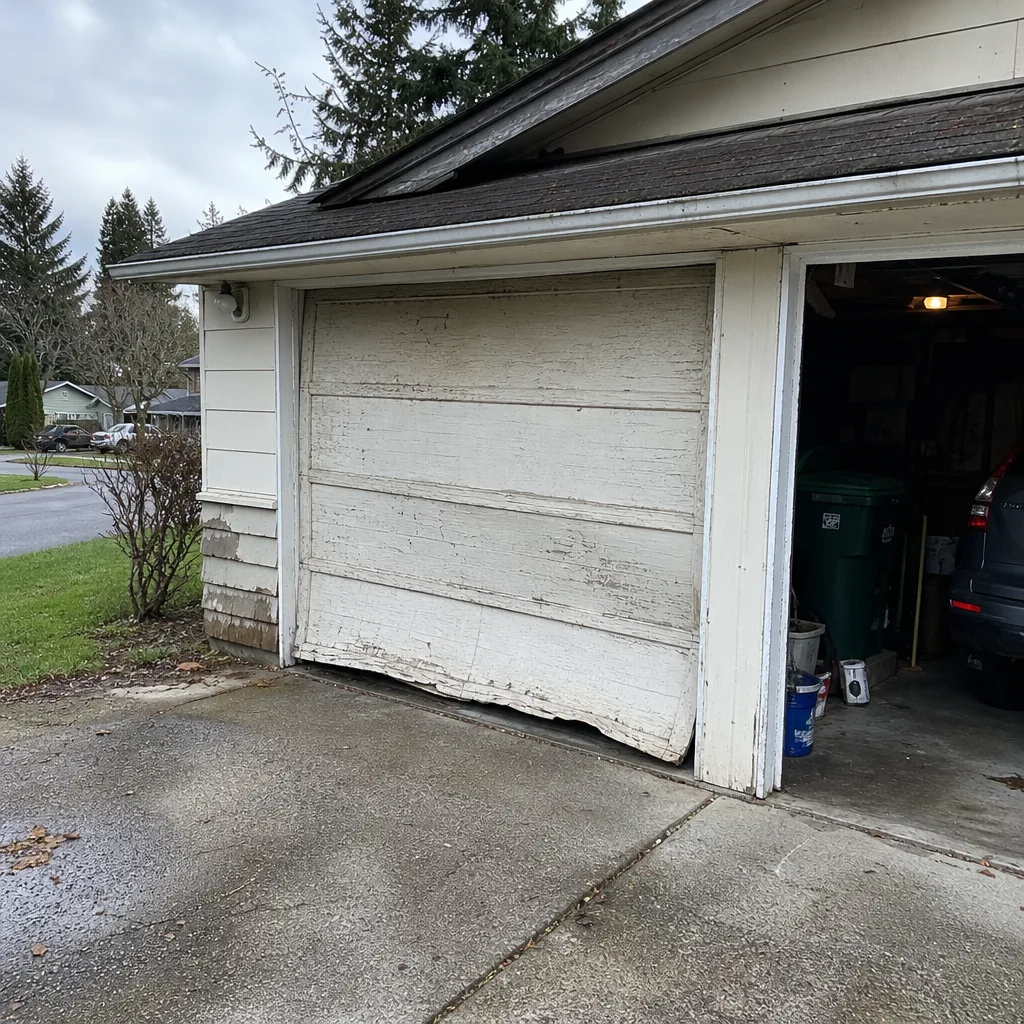
See the difference
 Before
 After
 Before
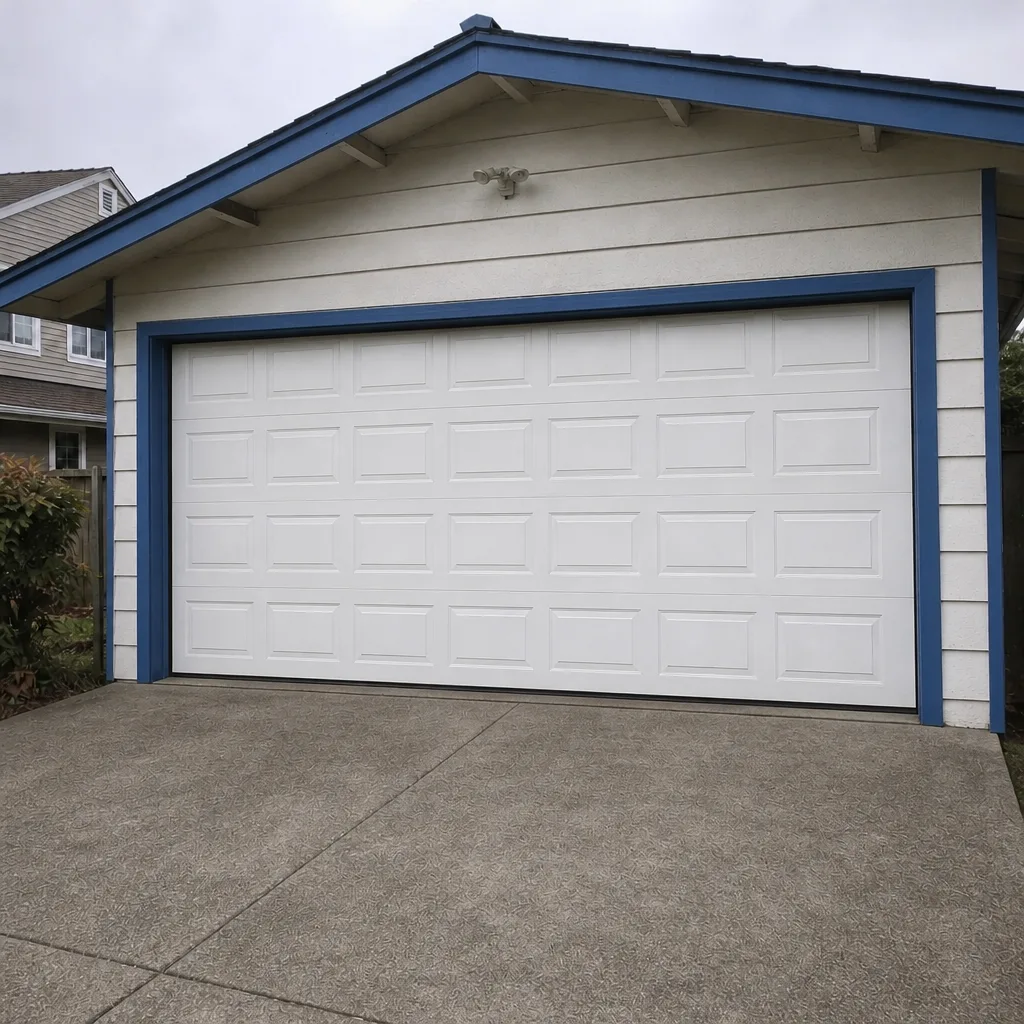 After
 Before
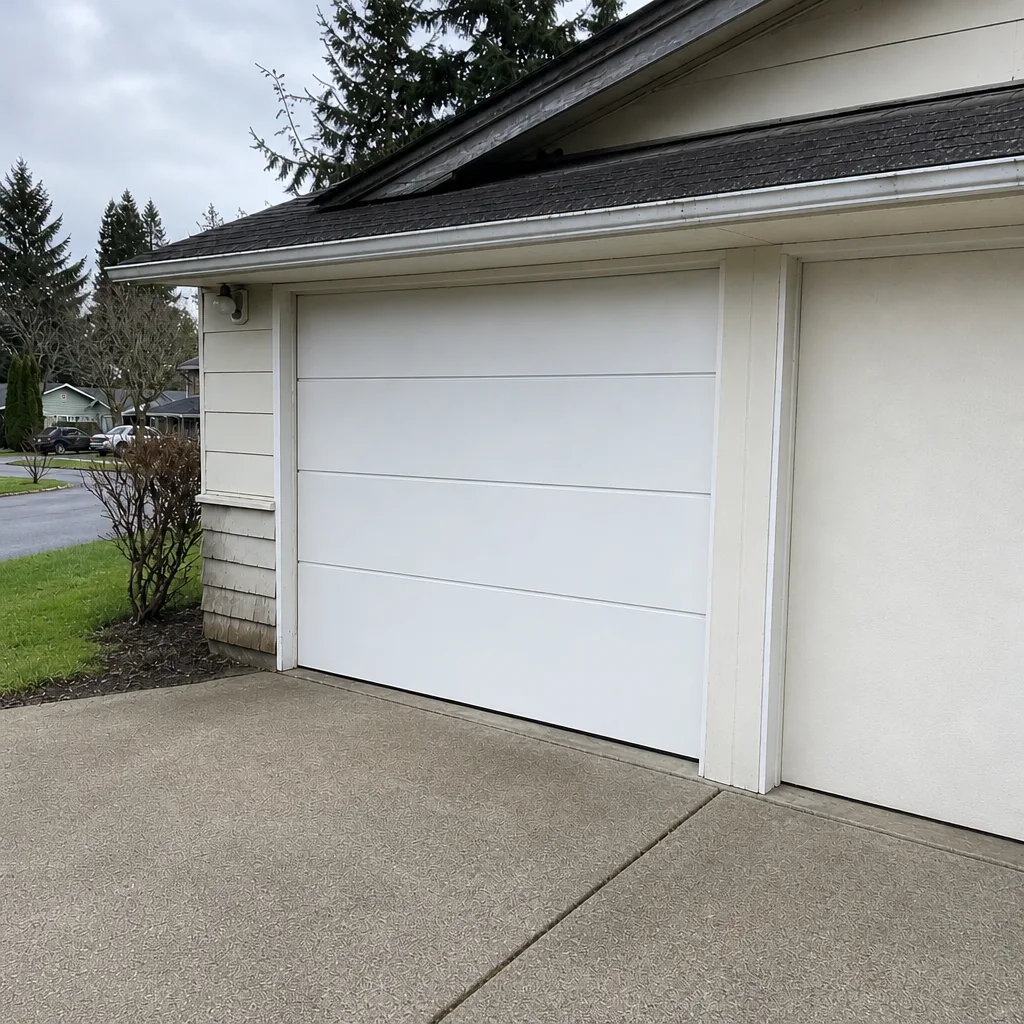 After
Frequently Asked Questions
Every six months for hinges, rollers, and the torsion bar. That covers two of the most common wear points in the whole system, and it’s a fifteen-minute task with a garage-door-specific lubricant. In Everett’s climate, do the late-autumn lubrication with a cold-rated product so the door is ready before winter. Call (833) 427-9172 for an exact quote if you’d rather have it done for you – estimates are free.
Run the balance test: disconnect the opener with the manual release, lift the door to waist height, and let go. If it drops quickly, the springs have lost tension. Also listen for a loud bang, since a snapped torsion spring is unmistakable. Never try to tighten a torsion spring yourself – it’s under extreme tension and requires professional tools. Call (833) 427-9172 and we’ll check the balance and walk you through your options.
Both brands (and Genie as well) call for the same core tasks: balance testing of the door, force and safety reverse testing, and lubrication of the door’s moving parts. Those three are the maintenance items in the warranty documentation, and skipping them can affect coverage. If the door is balanced and lubricated and tested twice a year, most openers run reliably well. Call (833) 427-9172 if your opener is failing any of those tests.
Yes, most of it. Lubrication, balance testing, force testing, visual inspection of cables and rollers, bottom-seal replacement, and cleaning the photo-eye lenses are all safe homeowner tasks. Spring adjustment, cable repair, track straightening, and any electrical work beyond cleaning are not – those require a professional, and the risk of injury is real. Call (833) 427-9172 for the parts of the schedule that are outside what you should do yourself.
Typical tune-up pricing for a residential door in the Everett area runs a modest amount for a full inspection, lubrication, and adjustment, but the exact figure depends on the door, the issue, and the parts needed. We quote every job before work starts, and the price you agree to is the price you pay – no surprise invoice. Call (833) 427-9172 for an exact quote – estimates are free.
Components fail out of order rather than all at once, and skipping maintenance means you don’t find out until the door stops working. The most common result is a snapped spring or a frayed cable that could have been caught months earlier, plus possible warranty issues if the door was running dry or unbalanced for long. The schedule above exists to prevent that. Call (833) 427-9172 if you’re behind and want to get back on track.
The Bottom Line
Maintain each layer of your garage door on its own clock. Springs annually, rollers and hinges every six months, cables quarterly, seal annually before the Everett rainy season, and the opener’s balance and force tests twice a year. Keep a simple log so you can spot patterns before they become failures. Do the homeowner-safe tasks yourself, call a professional for springs, cables, tracks, and opener adjustments, and keep the warranty documentation with the manual. That’s the whole schedule. Everything else is detail, and the detail is here when you need it.
If your door is overdue or a symptom in your log is getting worse, we’re a call away. Oasis Garage Door Repair works on LiftMaster, Chamberlain, Genie, Clopay, Amarr, Wayne Dalton, Craftsman, and Raynor systems across Everett, and we can handle the repair today and the full installation if it ever comes to that. Call (833) 427-9172 for a free estimate. We answer 24/7. Fast dispatch from 7am to 7pm, Sunday through Friday. We’re closed Saturday.
Written by the team at Oasis Garage Door Repair.