
Last updated November 15, 2026
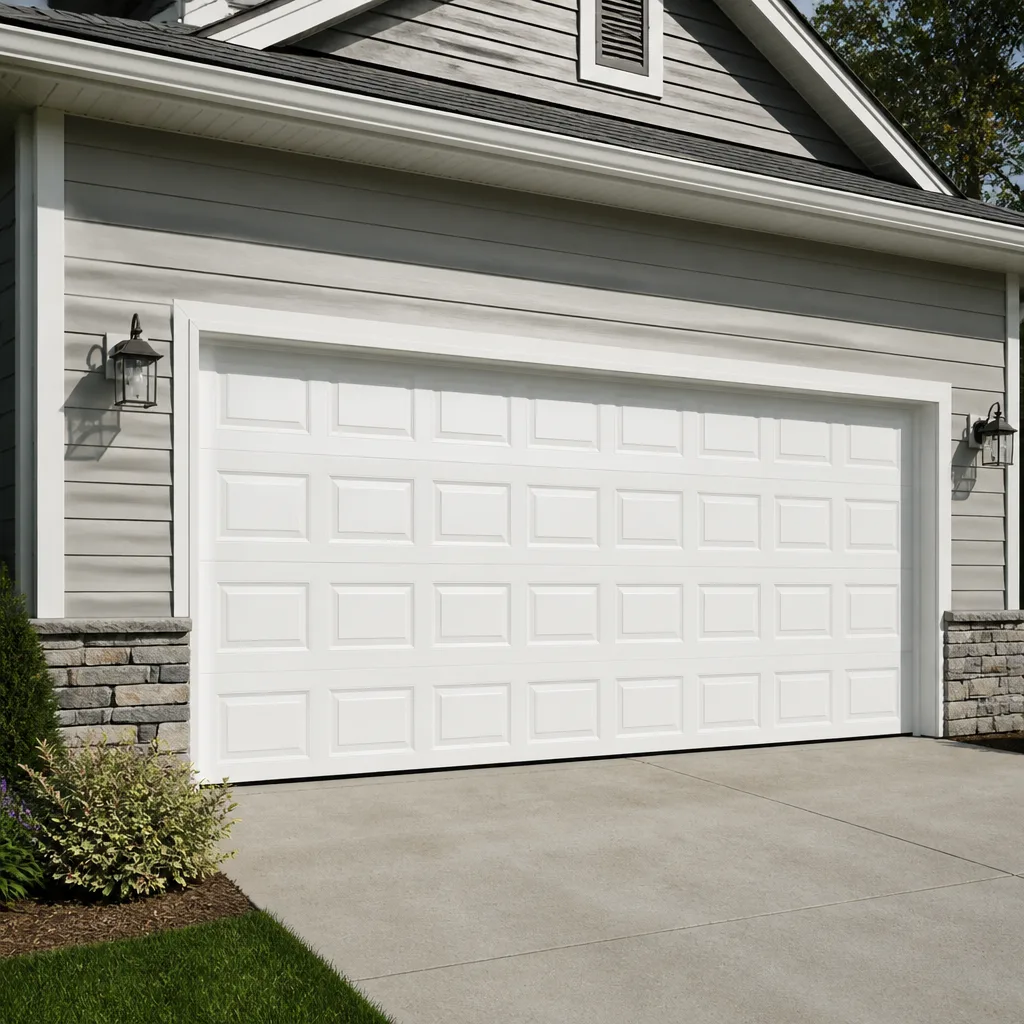 Raised-panel steel
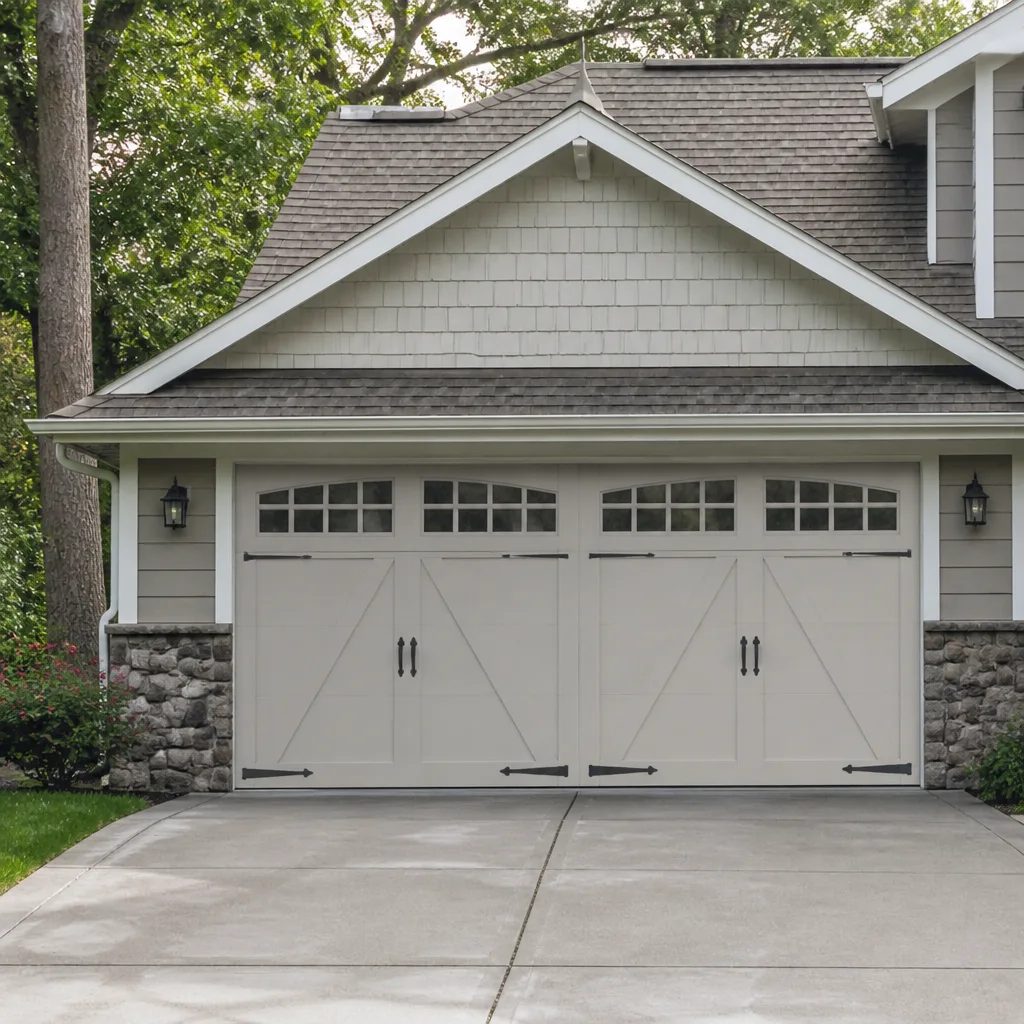 Carriage house
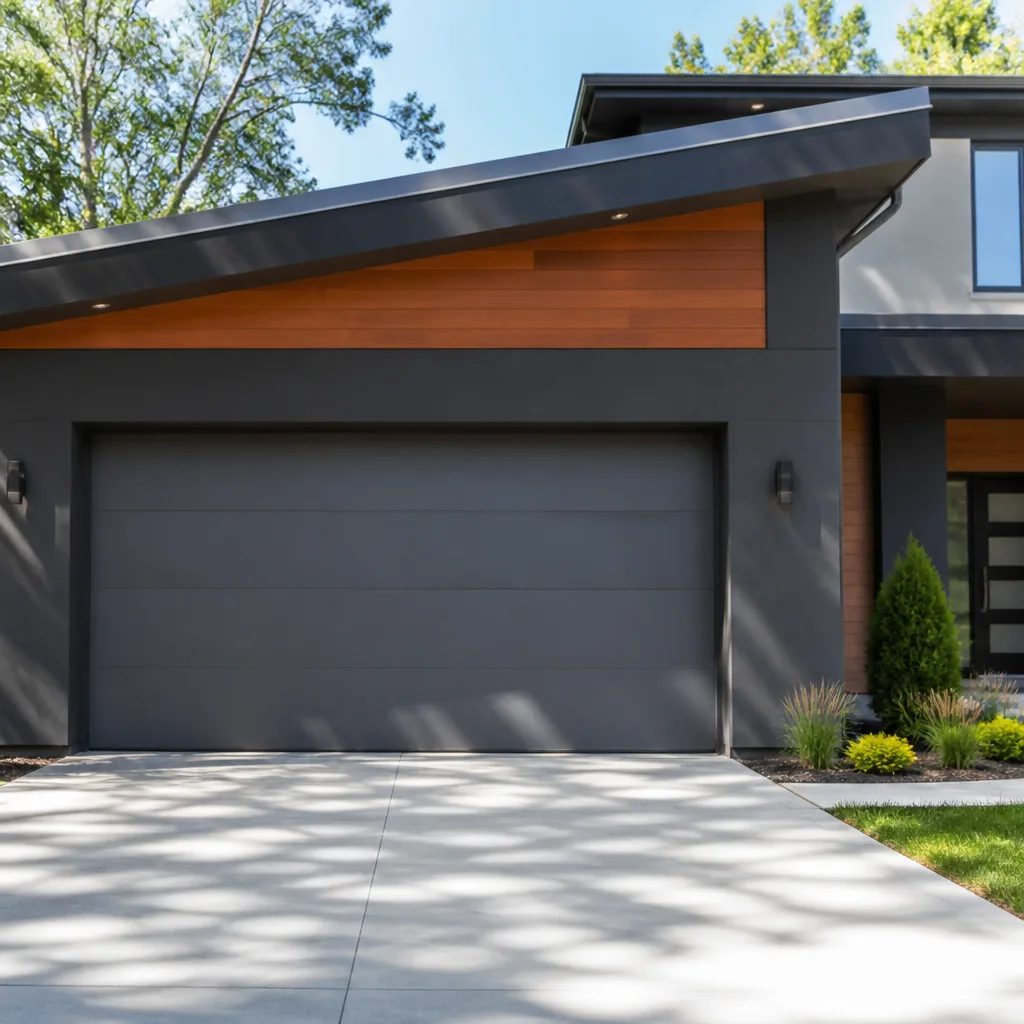 Modern flush
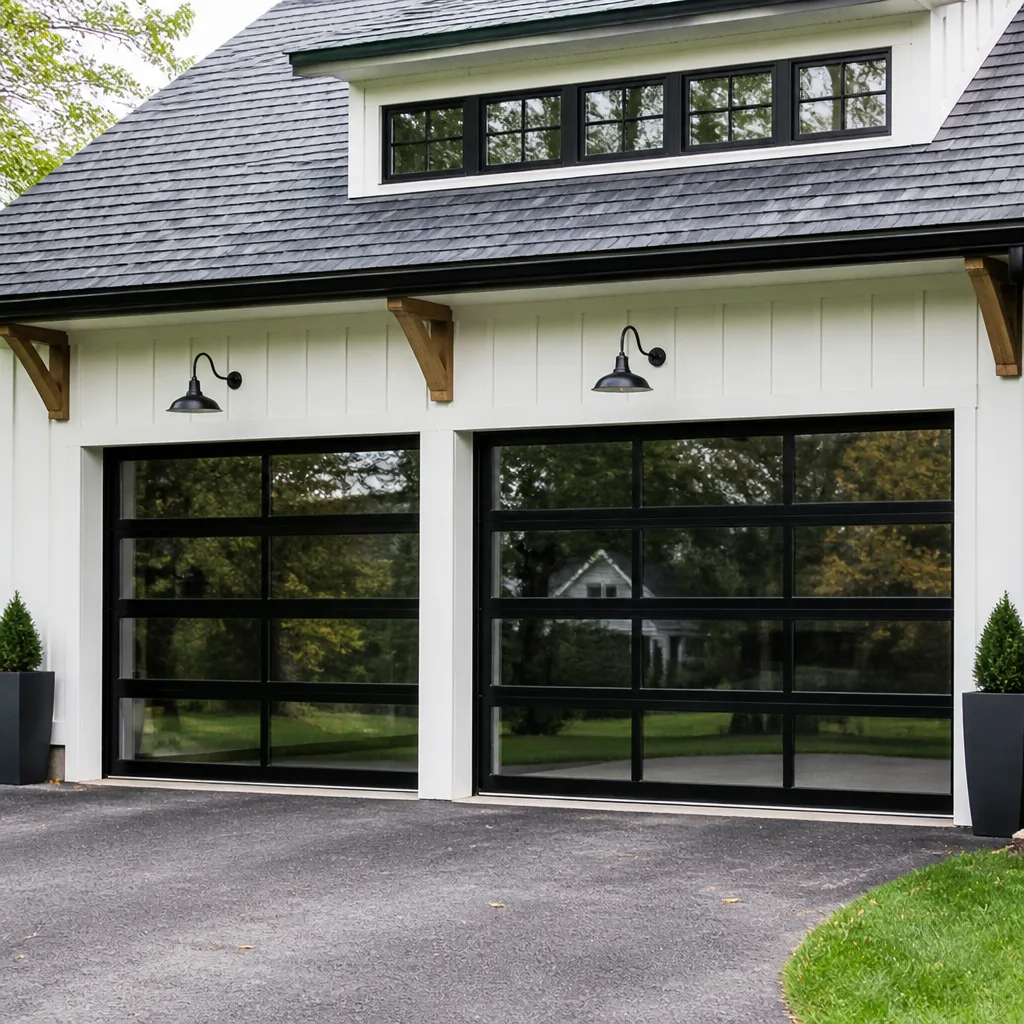 Full-view glass
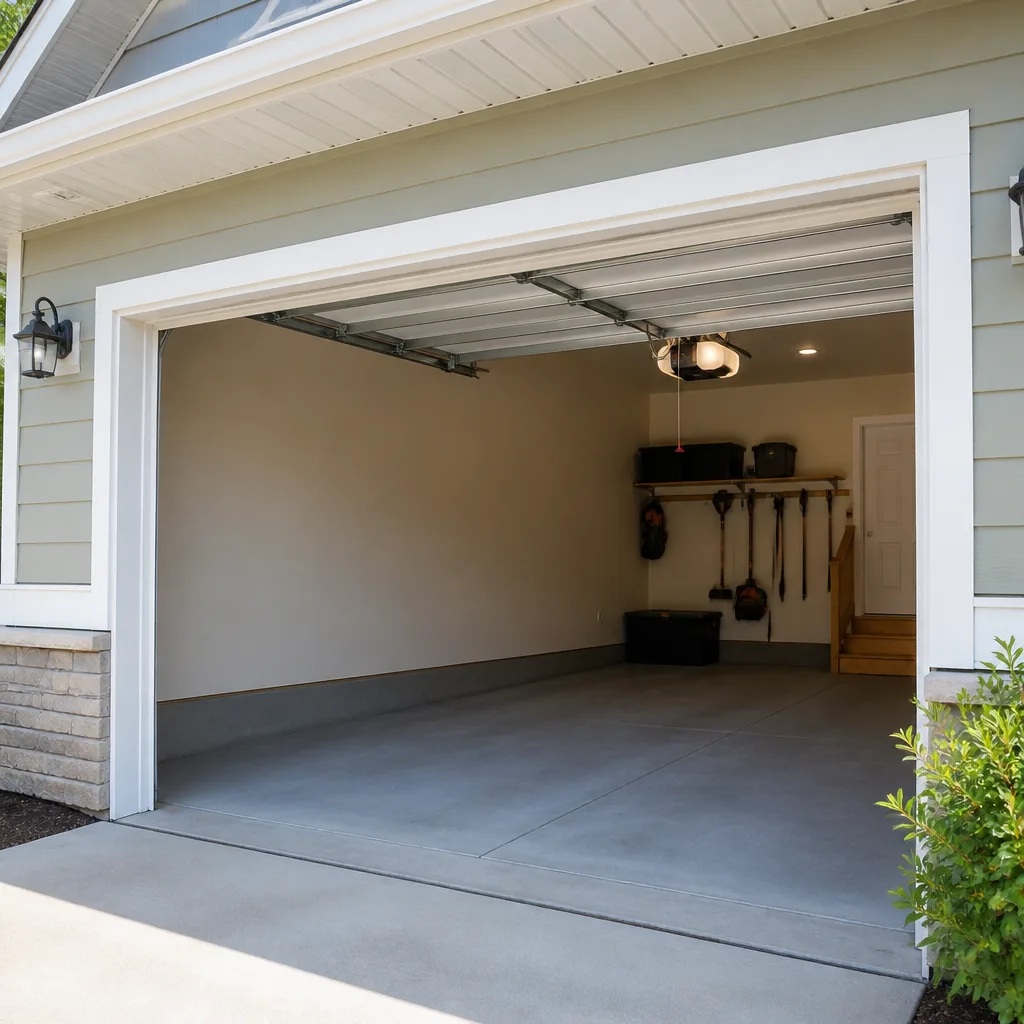 LiftMaster openers
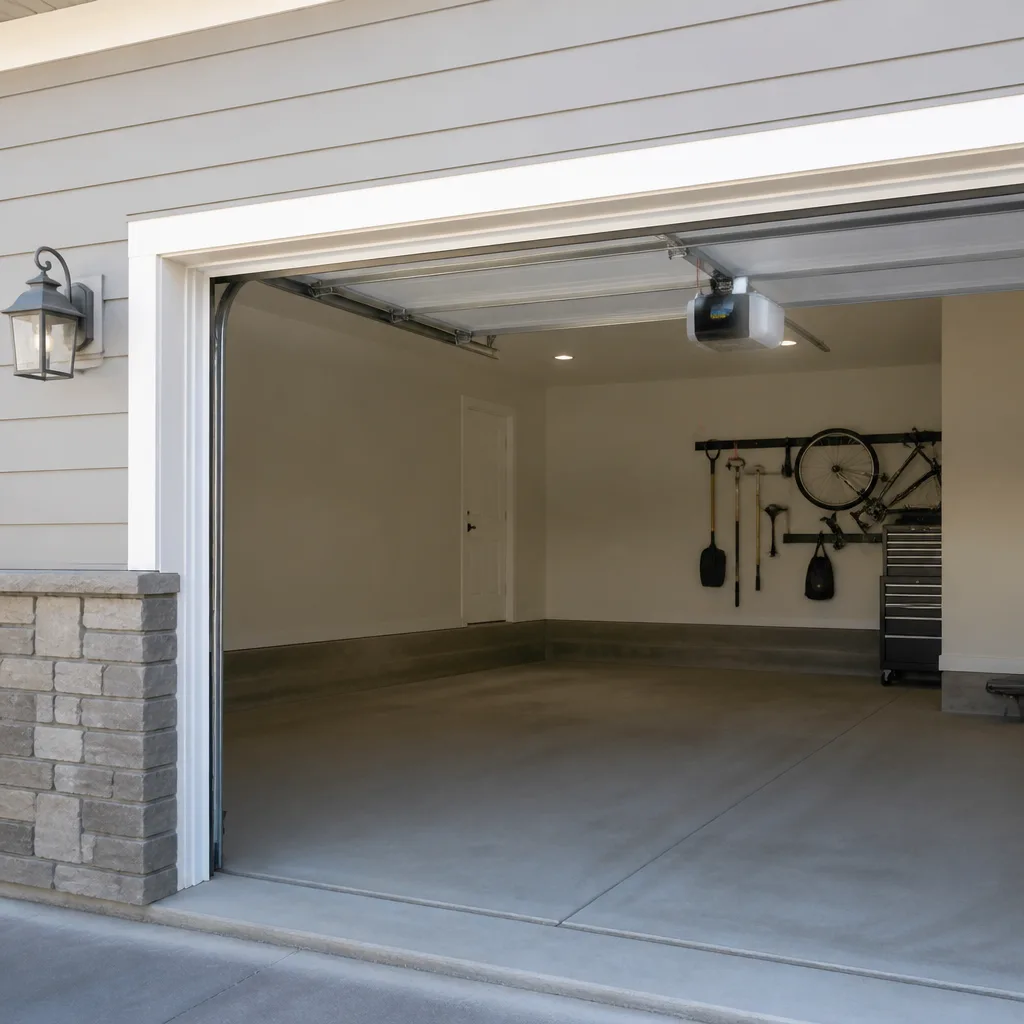 Chamberlain openers
Full 25-point door and opener safety check with every visit - springs, cables, rollers, tracks, and your LiftMaster or Chamberlain opener included
You get a price before we start. It does not change when the pro arrives.
Get your free estimateSeasonal Garage Door Care for Everett: Year-Round Homeowner’s Guide
Most garage door advice you’ll find online is written for places with real winters and real summers. Everett has neither. Our seasons blur into each other under a sky that stays gray for months, and that lulls a lot of homeowners into thinking their door doesn’t need much attention. The opposite is true. Consistent dampness and long stretches of overcast weather wear a door down slowly, quietly, and by the time something fails you’ve usually missed several chances to catch it. This guide is built around Everett’s actual weather calendar: what to check before the wet season, through the frost, once things dry out, and in the short dry window that lets you do the jobs that need a fully dry panel. You’ll find specific tasks you can handle yourself, and clear signals that it’s time to bring in help.
Quick Answer
A year-round garage door care routine in Everett means four checkpoints tied to our weather: seal and cable inspection in early fall before the rain settles in, bottom-seal and freeze-thaw checks through winter, a rust and panel-warp review in spring after the wet months, and repainting or hardware replacement in the dry summer window. The one task almost everyone skips is balance testing, and it takes under two minutes. Our technicians have up to 10 years of experience and can look over your whole system with a free estimate if you’d rather not climb the ladder yourself.
Styles & brands we work with
- Raised-panel steel
- Carriage house
- Modern flush
- Full-view glass
- LiftMaster openers
- Chamberlain openers
Table of Contents
- Why Everett’s Climate Wears Doors Differently
- Fall: Getting Ready Before the Wet Season
- Winter: The Freeze-Thaw Cycle and What It Does
- Spring: Post-Wet-Season Inspection
- Summer: The Dry Window for Painting and Sealing
- The Two-Minute Balance Test Most Homeowners Skip
- Opener Care Through the Year
- Knowing Your Brand Helps You Plan Ahead
Why Everett’s Climate Wears Doors Differently
Everett averages around 38 inches of rain a year, and humidity here rarely drops below 60%. That combination is the whole story. Your garage door isn’t battling one dramatic storm; it’s in a near-constant, low-level fight with moisture that most homeowners don’t address until something stops working. Steel panels, weatherstripping, and bottom seals all sit on the front line of that fight, and they don’t fail overnight. They degrade a little at a time.
The other half of the local picture is temperature. Everett doesn’t get deep freezes. What we get is a freeze-thaw cycle: the temperature dips just below freezing, thaws, dips again, sometimes several times in a single week. That’s harder on certain parts than a sustained cold snap would be, because the constant expansion and contraction works at everything that’s supposed to stay snug and sealed. Concrete moves. Rubber hardens and cracks. The gap under your door, which looked fine in October, is letting cold air and water in by January.
Because we’re a garage door company working throughout Everett, we see the results of this pattern across every kind of neighborhood, from older homes near the waterfront to newer builds out toward Silver Lake. The doors are different. The wear pattern is strikingly similar. Steel doors develop rust bloom at the bottom edge. Wooden or composite components swell and warp. Weatherstripping flattens and loses its give. None of it is dramatic, and that’s exactly why it gets ignored until the door sticks, drags, or lets water pool on the garage floor.
The right approach isn’t a frantic spring-cleaning of your garage door. It’s four small checkpoints scheduled to the local calendar, so that the wet season finds your seals tight, the freeze doesn’t get a foothold, and the dry months get used for the jobs that need dry conditions.
Fall: Getting Ready Before the Wet Season
October is the month that matters most in Everett. The dry stretch of summer gives way to steady rain, and whatever state your door is in when that rain arrives is the state it’ll be in until spring. Fall care is about making sure water can’t get in and that the parts holding your door up are sound before they’re asked to perform through five months of wet weather.
What to check in early fall
- Bottom seal compression. Look at the rubber seal along the bottom of the door with the door closed. If it’s flat, cracked, or doesn’t make contact with the floor along its full length, water and cold air will find the gap. Try the dollar-bill test: close the door on a dollar bill and pull. If it slides out easily anywhere along the seal, that spot isn’t sealing.
- Weatherstripping along the sides and top. Run your hand down the side jambs and across the header. Brittle, cracked, or missing strips need replacing before the rain settles in.
- Cable condition. With the door closed and the springs relaxed, look (don’t touch) at the cables running down each side. Frayed strands, kinks, or slack are signs the cable is nearing the end and should be addressed before it’s under load in wet weather.
- Track alignment. Check that the vertical and horizontal tracks are straight and free of debris. Leaves and grit collect in the tracks through fall and can cause the door to bind.
- Drainage around the garage floor. This is an Everett-specific one. Make sure the ground outside the garage door slopes away from the opening. If water pools against the door during heavy rain, no seal will hold it back for long.
What not to do yourself
Fall is when we’re asked most often about tightening or adjusting the torsion spring over the door. Don’t. Torsion springs and the cables attached to them are under extreme tension, and a spring that lets go while you’re near it can cause serious injury. Those are jobs for a trained technician with the right tools. The same goes for track adjustment if the door is binding under spring load. Check with your eyes, not your hands.
If fall inspections turn up a worn seal or a frayed cable, it’s cheaper to deal with it in September than to wake up to a jammed door in the middle of a downpour. When a door does fail, our garage door repair team can step in, but the smart move is to catch it earlier.
Winter: The Freeze-Thaw Cycle and What It Does
Winter in Everett is not about Arctic cold. It’s about the in-between. Temperatures hover near freezing, thaw, dip again, and each of those swings does a little more work on your door’s seals and the concrete floor beneath them. Understanding what the freeze-thaw cycle actually does helps you know where to look.
What freeze-thaw does to a garage door
Water gets into hairline cracks in the concrete at the base of your garage opening and into the pores of your rubber bottom seal. When that water freezes, it expands slightly. As it thaws and freezes again, the crack widens. Over a season of these small cycles, the gap between the bottom seal and the floor opens up, and the seal itself hardens. A rubber seal that was soft in October can feel almost brittle by February.
You’ll see the result on the garage floor first. Meltwater and rain that gets past a compressed seal puddles inside, and if the floor stays wet, it works its way under anything stored against the garage door.
Winter tasks
- Look for the gap. With the door closed, crouch down and look along the bottom edge. Daylight or a thin line of water on the floor means the seal is no longer making contact.
- Check the seal’s softness. Press the bottom seal with your thumb in a few spots. If it feels hard or crumbly, plan on replacing it when conditions allow.
- Clear the tracks after storms. Wind-driven rain brings grit into the tracks. Clear them before the door starts to bind.
- Listen for a change in sound. If the opener motor grunts more than usual or the door jerks as it lifts, the cold has tightened something up and it’s time to have it looked at.
- Watch for ice at the door threshold. A thin sheet of ice under the bottom edge can stop the door from closing fully and stresses the opener’s travel limits.
For most of the season, keeping the floor and tracks clear and staying alert to a stiffer-sounding door is enough. If the door stops entirely, don’t force it.
Spring: Post-Wet-Season Inspection
Spring in Everett is the reality check. The wet season has done whatever it’s going to do, and now you can see the damage in daylight. This is the checkpoint that tells you whether your fall and winter work paid off, and what’s due for repair before the next cycle starts.
Look for these three problems
- Rust bloom. Check along the bottom edge of steel panels, around the hinges, and at every fastener. Small orange or brown spots are rust bloom, and it spreads. Catch it early, clean it, and prime it. Left alone, it eats into the panel. If you own a steel door from a brand like Clopay or Amarr, those are built to last, but they still rust like any steel when water sits on them.
- Panel warping. Stand back and look at the door from the side with it closed. Any panel that bows out or in, or a horizontal line that isn’t straight, is warping. Wooden and composite doors show this after a wet season. Warped panels don’t seal properly and they put extra strain on the opener and springs.
- Opener motor performance. As the weather warms, the door should move more freely. If the opener is still struggling, or the door is slowing down and speeding up as it opens, something’s binding or the springs are tired. That’s the moment to have the opener and door checked together.
Also worth a look in spring
- Re-check the bottom seal you watched in winter. If it hardened, replace it now with conditions improving.
- Wipe down the tracks and lubricate the rollers and hinges with a garage-door-specific lubricant (not WD-40, which is a solvent rather than a long-term lubricant).
- Test the door’s manual release to make sure it disengages cleanly in an emergency.
- Inspect the hinges and rollers for wear. Rollers that no longer spin freely or wheels that have flat spots should be replaced.
Spring is also the practical time to have any opinion from the wet season confirmed by someone who works on doors daily. If a panel is warped or rust has gotten a real foothold, a free estimate will tell you whether you’re looking at a repair or a bigger job.
Summer: The Dry Window for Painting and Sealing
Everett’s drier months are short, and they’re the only real chance you get to do the jobs that need fully dry panels. Painting, resealing, and hardware replacement all depend on dry conditions, and if you put them off, the window closes and you’re painting into the wet season, where the coating can’t cure properly and can trap moisture. Plan these jobs for the stretch when the panels dry out fully between coats.
Summer job list
- Repaint steel panels. Clean the panel, sand any rust bloom down to bare metal, prime, and apply a high-quality exterior paint formulated for metal. Two thin coats with full drying between them. Check that the panels are dry to the touch and the forecast is clear.
- Reseal wooden and composite doors. Any bare or checked timber needs a fresh seal. If you have a wooden door from a builder like Wayne Dalton, the seal coat is your main defense against the wet season.
- Replace worn hardware. Hinges, rollers, and the manual release are all easier to replace when you’re not fighting rain and cold. If a hinge is noisy or a roller wobbles, swap it now.
- Lubricate everything that moves. Rollers, hinges, spring coils (from a safe distance, never touching them), and the opener’s rail or belt per the manufacturer’s instructions.
- Check the opener’s battery backup and safety sensors. Test the auto-reverse by placing a roll of paper towel in the door’s path. If the door doesn’t reverse on contact, the opener needs attention.
If your door is due for replacement rather than repainting, the summer window is also the best time to order. A new door is measured, ordered, and scheduled, so plan ahead. Our garage door installation team can talk through options that fit your opening and the way your house sits against Everett’s weather.
The Two-Minute Balance Test Most Homeowners Skip
If there’s one task that homeowners skip all year, it’s the balance test. It takes under two minutes, and it’s the single best cheat sheet to the health of your springs. A door that’s out of balance is straining your opener, wearing your springs unevenly, and on its way to a failure you’ll notice at the worst time.
How to test balance
- Close the garage door fully.
- Pull the manual release cord (usually the red handle) to disconnect the opener from the door.
- Lift the door by hand to about halfway, roughly waist height.
- Let go. A balanced door will hold its position or drift very slightly. Step back and watch.
- Now lift the door to about three-quarters open and let go again. Same test.
- If the door drops on its own at either position, or takes real effort to lift, the springs are out of balance or weakening.
- Reconnect the opener by pulling the door up, pulling the release cord back, and cycling the door once to re-engage.
That’s it. Two positions, a slow drift test, and you’ll know whether the springs are still doing their job. Do this once a season, especially in fall before the door is asked to work through winter.
What to do with the result
If the door drops or fights you, don’t start adjusting the springs. Torsion and extension springs are under high tension and adjusting them incorrectly is a genuine danger. Call a trained technician. Our technicians have up to 10 years of experience and can balance, lubricate, and adjust your system safely, with a free estimate before any work starts. If your door is genuinely out of balance, the price is quoted and agreed before we begin.
If the door holds position at both spots, you’re in good shape. Note the result and move on.
Opener Care Through the Year
The opener is the part homeowners notice most because it’s the part that talks to them. When it grunts, strains, or stops responding, the day stops. But the opener is also the piece of equipment most affected by everything else on the door. A door that’s out of balance or binding makes the opener work harder all year, and in a damp climate, its electronics face their own set of challenges.
Seasonal opener checks
- Fall: Test the safety sensors by waving an object in front of them. Clean any debris off the lenses. Check that the wall button and any remotes respond promptly.
- Winter: Listen for a change in the motor’s sound. Cold and damp can make a tired opener more obvious. If the opener is a Genie or Chamberlain, the manufacturer’s manual usually has a specific force tolerance you can check.
- Spring: Look at the opener’s drive mechanism (chain, belt, or screw) for excess slack or wear. If the operator manual calls for lubrication on specific parts, this is the season to do it.
- Summer: Test the auto-reverse function and the battery backup if the opener has one. Check that any smart-home app control still connects properly.
Smart-home and remote issues
Homeowners increasingly ask us about app connectivity, Wi-Fi dropouts, and remotes that stop responding. These are opener-electronic problems, not door-mechanical ones, and they’re worth diagnosing with someone who works on opener electronics day in and day out. If the app won’t connect or the opener’s LED is doing something it didn’t before, that’s our cue. Our garage door opener repair service covers motors, remotes, sensors, and smart-home integration.
Knowing Your Brand Helps You Plan Ahead
Everett homes have a wide mix of door and opener brands. Knowing yours helps you plan seasonal care that matches how your equipment was built.
A Craftsman or LiftMaster opener tends to have its own quirks when it comes to force adjustment and safety sensor behavior. A door from a manufacturer like Wayne Dalton or Amarr will have specific panel and seal designs that affect which replacement parts fit. The Oasis Garage Door Repair team is certified to service eight of the most common brands in use today: LiftMaster, Chamberlain, Genie, Clopay, Amarr, Wayne Dalton, Craftsman, and Raynor. That means most Everett homeowners already own equipment we know inside and out, with no learning curve when we arrive. We can look at your system and know exactly which seasonal tasks matter most for the brand you own. If you’re not sure which brand you have, the label is usually on the opener motor cover or stamped on the door’s bottom panel or side frame.
Common Mistakes to Avoid
- Ignoring the bottom seal because the door “still closes.” A door can close and still leak. Everett’s rain works its way in through gaps a working door hides. Water on the garage floor after a storm is the tell.
- Painting in fall or winter. The wet months don’t give a fresh coat time to cure. Painting then can trap moisture under the new paint and make next summer’s job harder, not easier.
- Lubricating a door and calling it maintenance. Lubrication is one task among several. It won’t fix a compressed seal, a warped panel, or a spring that’s out of balance.
- Tightening the torsion spring yourself. This is the single most dangerous mistake a homeowner can make with a garage door. Springs are under intense tension, and a failure can cause serious injury. Leave them to a trained professional.
- Skipping the balance test because it feels like “extra.” It’s the fastest way to catch a weakening spring before it fails. Two minutes a season will save you that March morning when nothing moves.
- Assuming summer is not a “garage door month.” It’s the only dry window you get. Repainting, resealing, and hardware replacement all need dry conditions to work properly.
- Letting rust bloom go. A small spot of rust spread across a wet winter becomes a corroded panel by spring. Clean, prime, and paint in the dry months and you’ll stop it from spreading.
See the difference
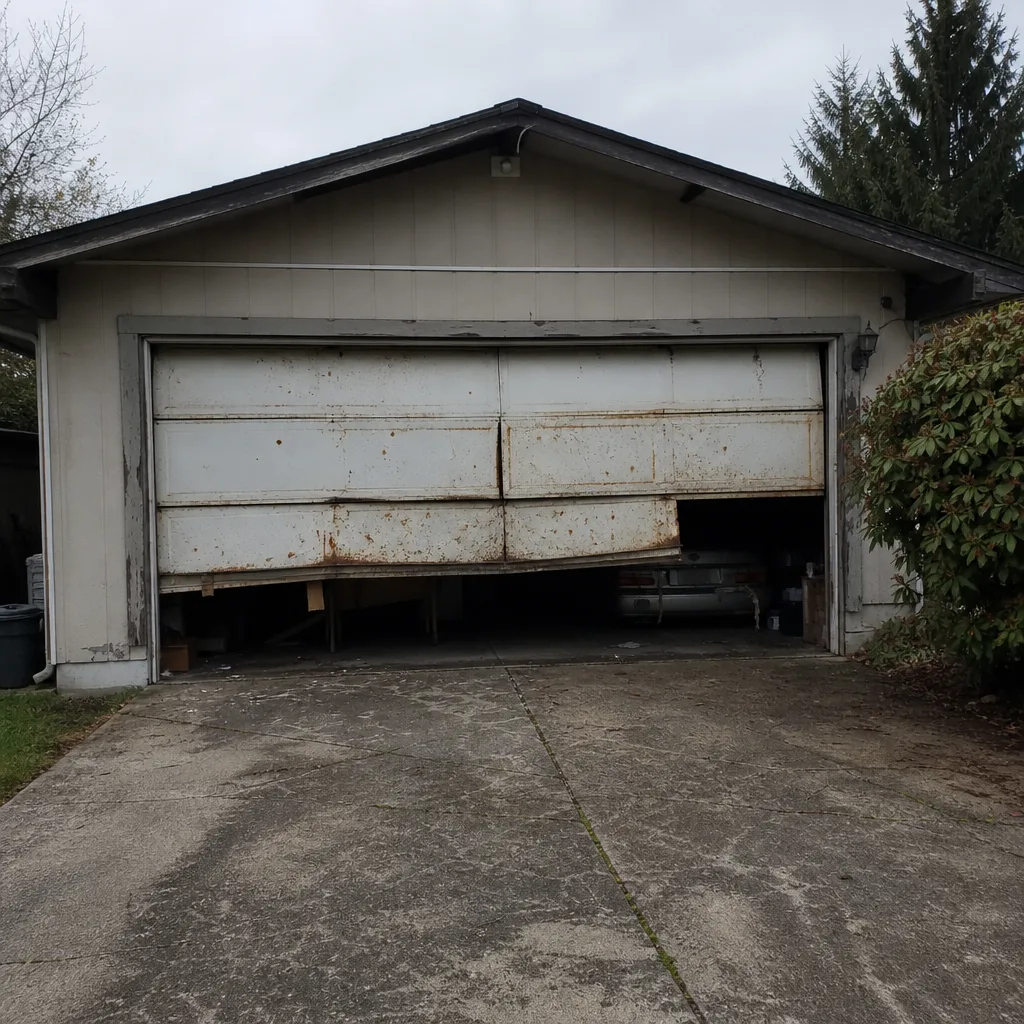 Before
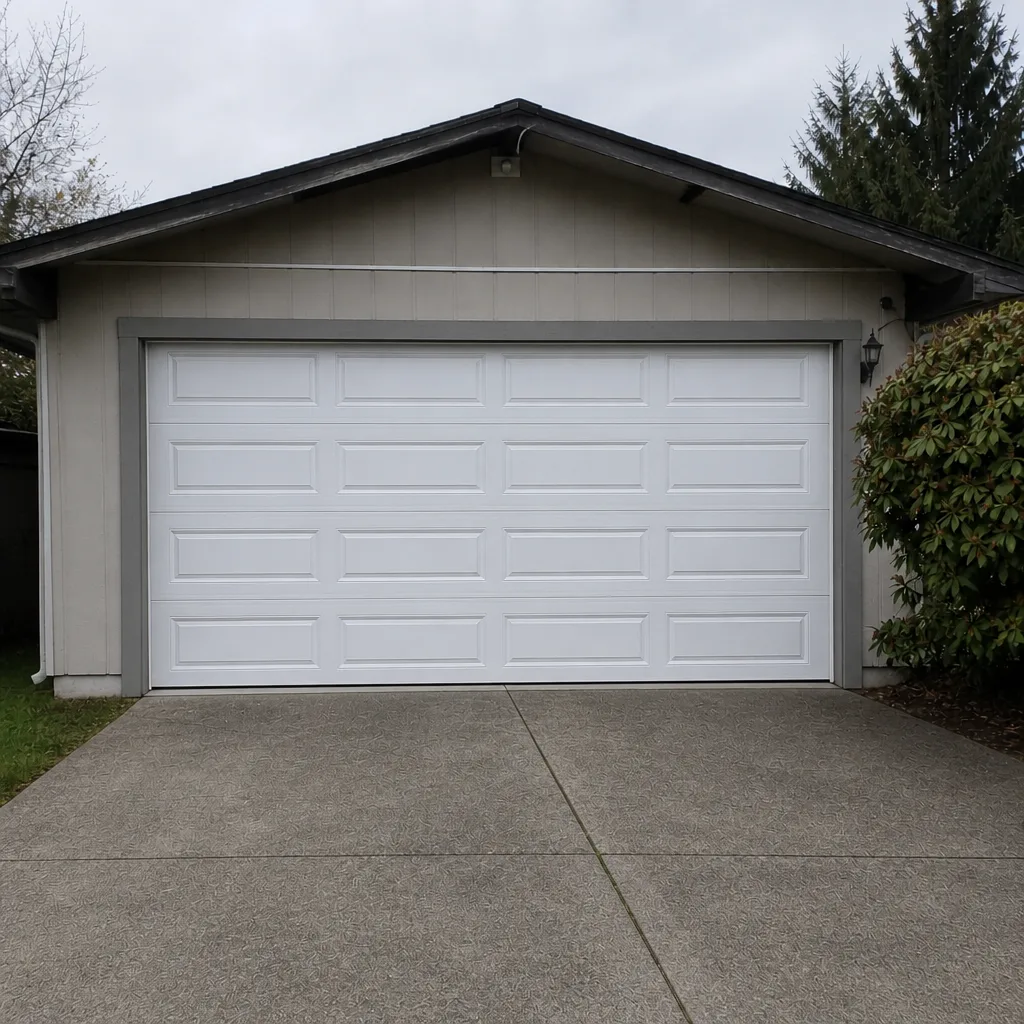 After
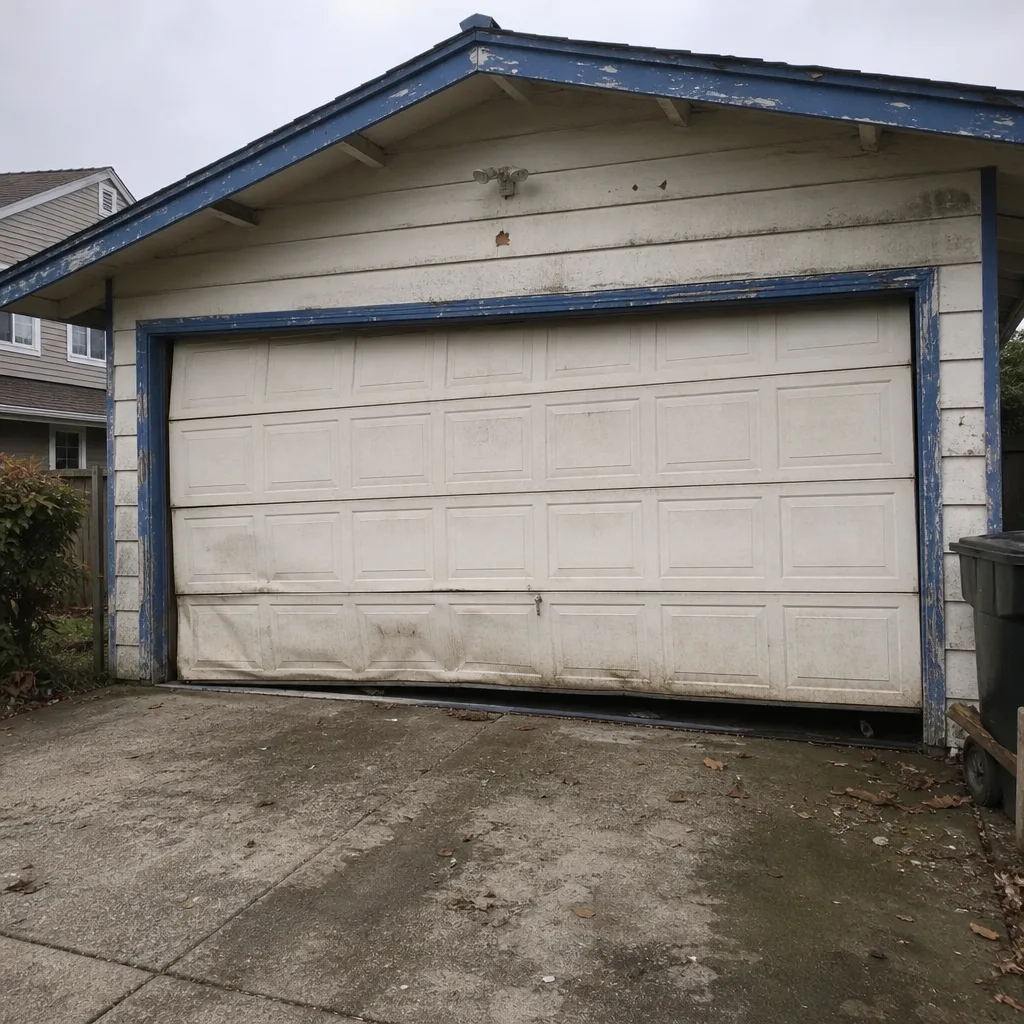 Before
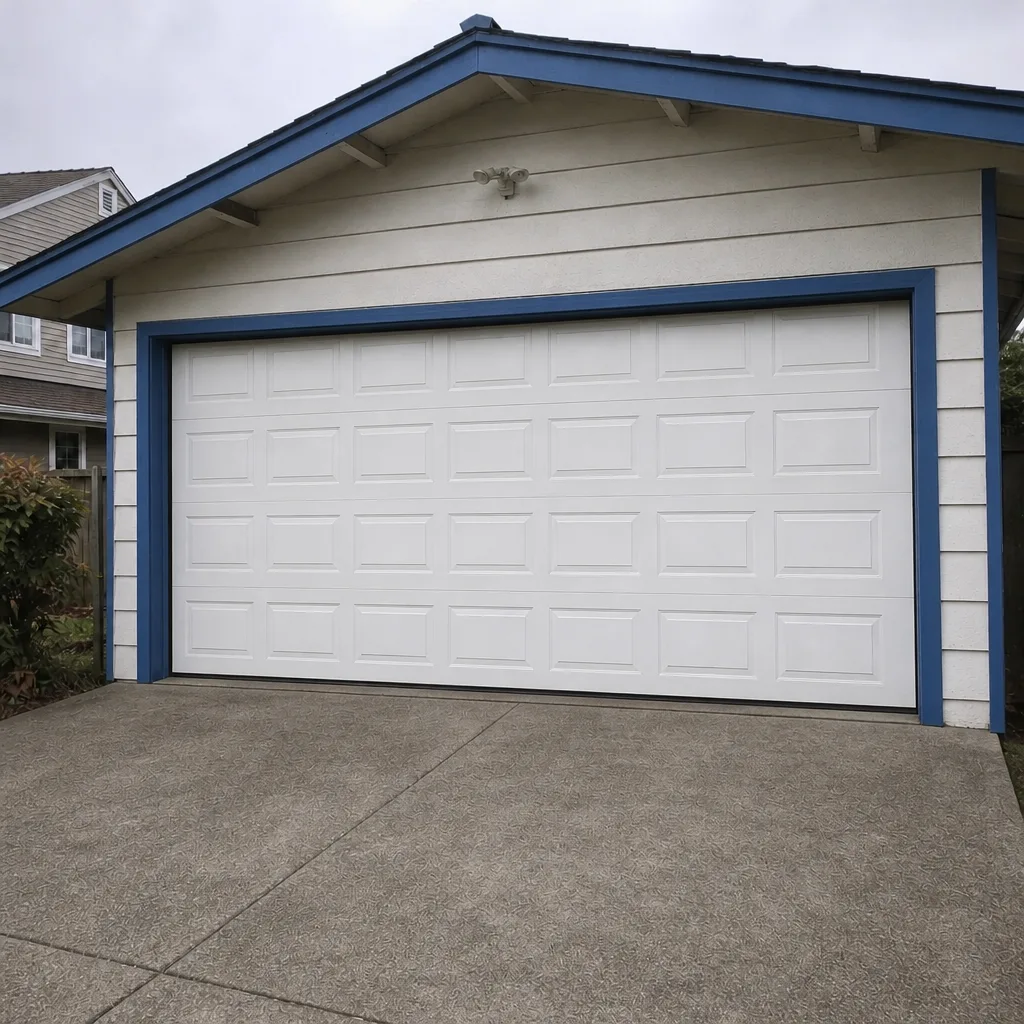 After
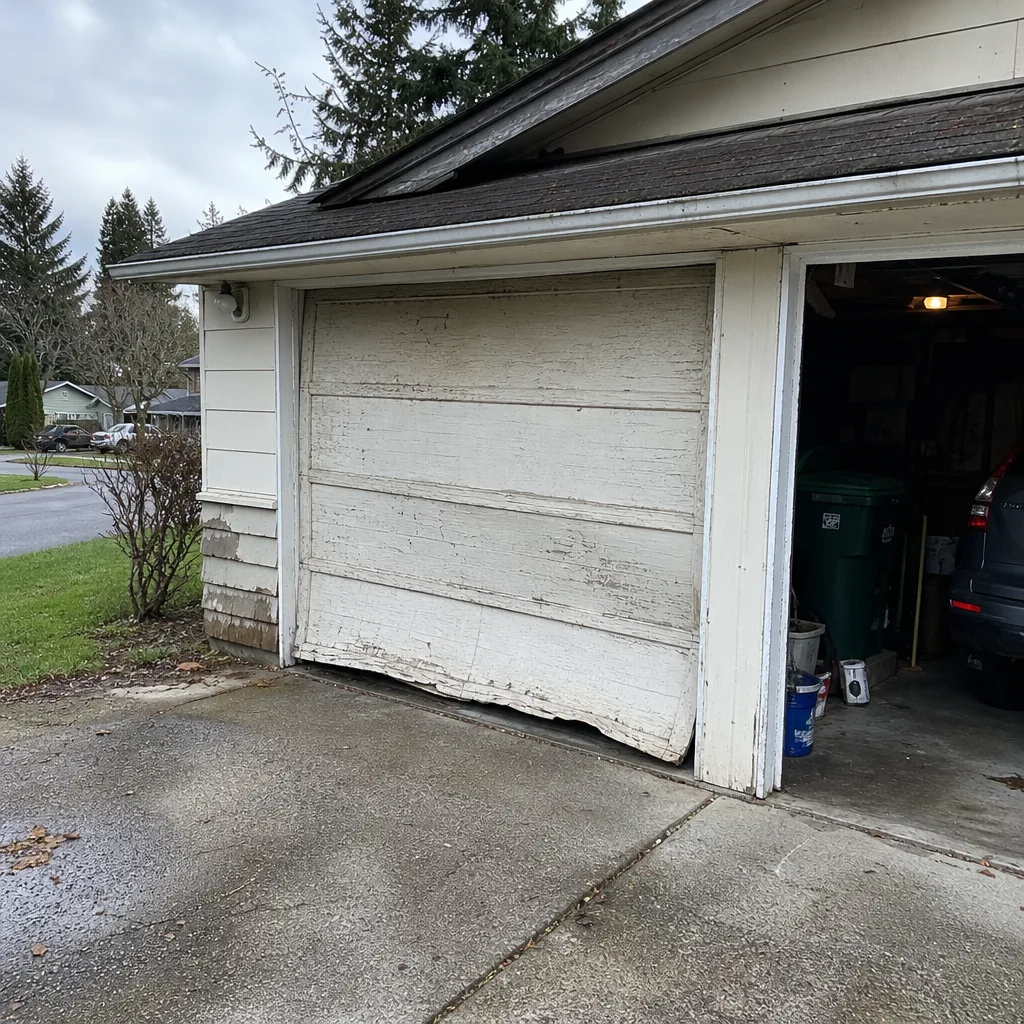 Before
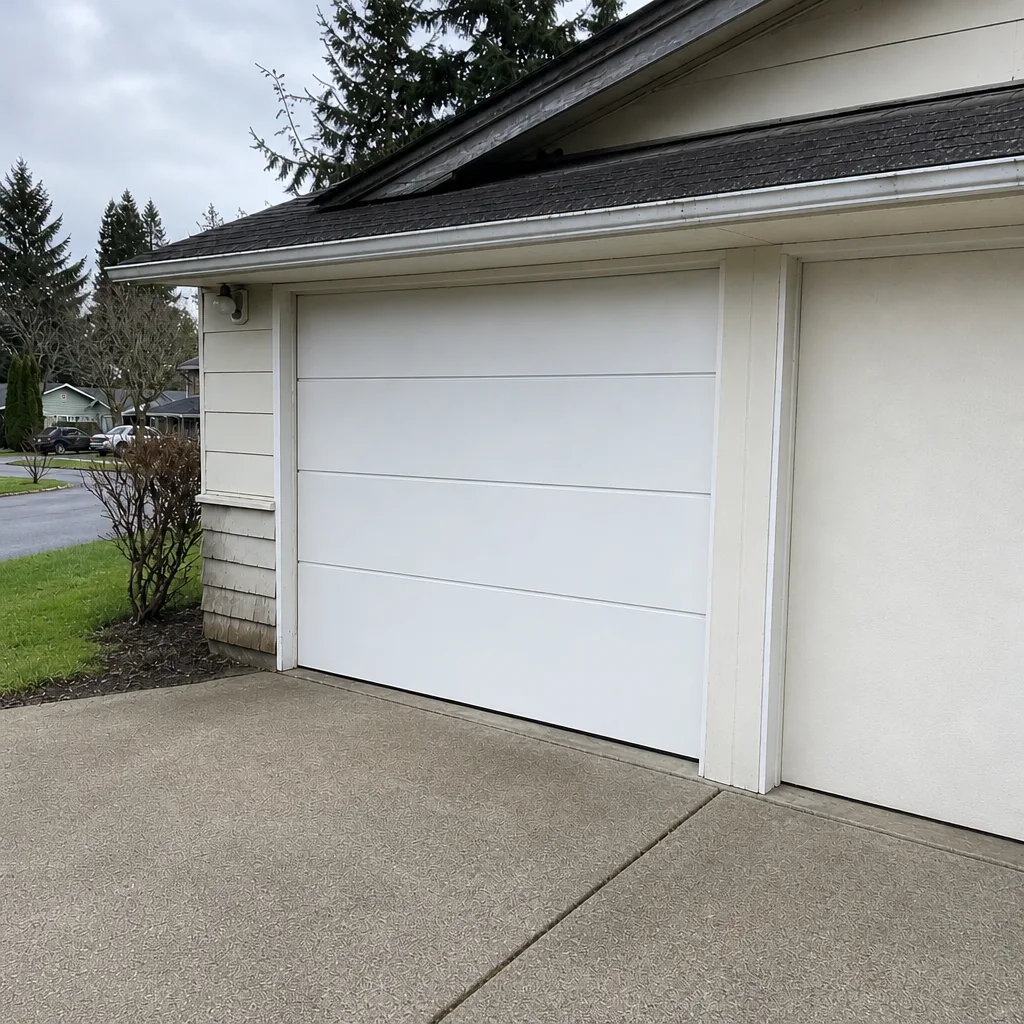 After
When to Call a Professional
Some seasonal tasks are best left alone: spring adjustments, cable replacement under tension, and full door replacement. Others, like checking your bottom seal or testing balance by hand, you can do yourself. The line is risk. If a task involves a component under tension or the potential for a sudden release of stored energy, call a professional.
You should also call when a problem persists after basic seasonal care. If the door won’t balance, if the opener strains even after the spring balance test came back clean, or if you notice a frayed cable or a bent track, it’s time to have someone look. In Everett, Oasis Garage Door Repair offers free estimates. Call (833) 427-9172. We answer 24/7. Fast dispatch from 7am to 7pm, Sunday through Friday, so a door problem doesn’t have to cost you a whole week. The written estimate sets the final price, and it’s agreed before any work begins.
Frequently Asked Questions
Four times a year, aligned with our actual weather: early fall (before the wet season), mid-winter (during the freeze-thaw cycle), spring (after the wet season), and summer (the dry window). That’s the rhythm the climate calls for, and it catches most problems before they become failures. Call (833) 427-9172 if you’d like a professional check to back up your own inspections.
Inspecting and maintaining the bottom seal and weatherstripping before the wet season. Our rain and humidity find every gap in a compressed seal, and the freeze-thaw cycle widens those gaps further. If your seal isn’t making full contact with the floor through the fall, the rest of your seasonal care is fighting a losing battle.
Yes. Most general garage door advice is written for climates with deep freezes and hot summers. Everett has neither. Our specific pattern is sustained damp and a mild freeze-thaw cycle, and that pattern wears on seals, concrete, and steel panels in a way a generic four-season checklist doesn’t fully address.
We don’t recommend it. Paint needs dry, well-cured panels and a window of clear weather to cure properly. In Everett, that window is the summer. Painting into the wet season can leave the coating soft and trap moisture under it, which does more harm than good.
The two-minute balance test is the best place to start. If the door drops on its own at the halfway or three-quarters point, or takes real effort to lift by hand, the springs are weakening or out of balance. Call (833) 427-9172 for an exact quote. Estimates are free, and the written estimate sets the final price.
Oasis Garage Door Repair is certified to service eight of the most common brands in use today: LiftMaster, Chamberlain, Genie, Clopay, Amarr, Wayne Dalton, Craftsman, and Raynor. Most Everett homeowners already own equipment we know well, so there’s no learning curve when we arrive. Call (833) 427-9172 to set up a free estimate.
The Bottom Line
Everett’s climate doesn’t hand you dramatic reasons to call a garage door professional. It hands you slow ones: dampness that works at seals all winter, small freeze-thaw cycles that widen the gap under the door, and a dry summer window that closes if you don’t use it. The routine that handles this isn’t complicated. Check seals and cables in the fall, watch the bottom edge through winter, hunt for rust and panel warping in spring, and get your repainting and resealing done in the dry months. Do the two-minute balance test once a season. Do that, and your door stays tight through the wet season and works the way you need it to every morning. Our technicians have up to 10 years of experience if you ever want a second set of eyes. For a free estimate on any garage door or opener work in Everett, call (833) 427-9172. We answer 24/7, with fast dispatch from 7am to 7pm, Sunday through Friday.
Written by the team at Oasis Garage Door Repair.