
Last updated November 15, 2026
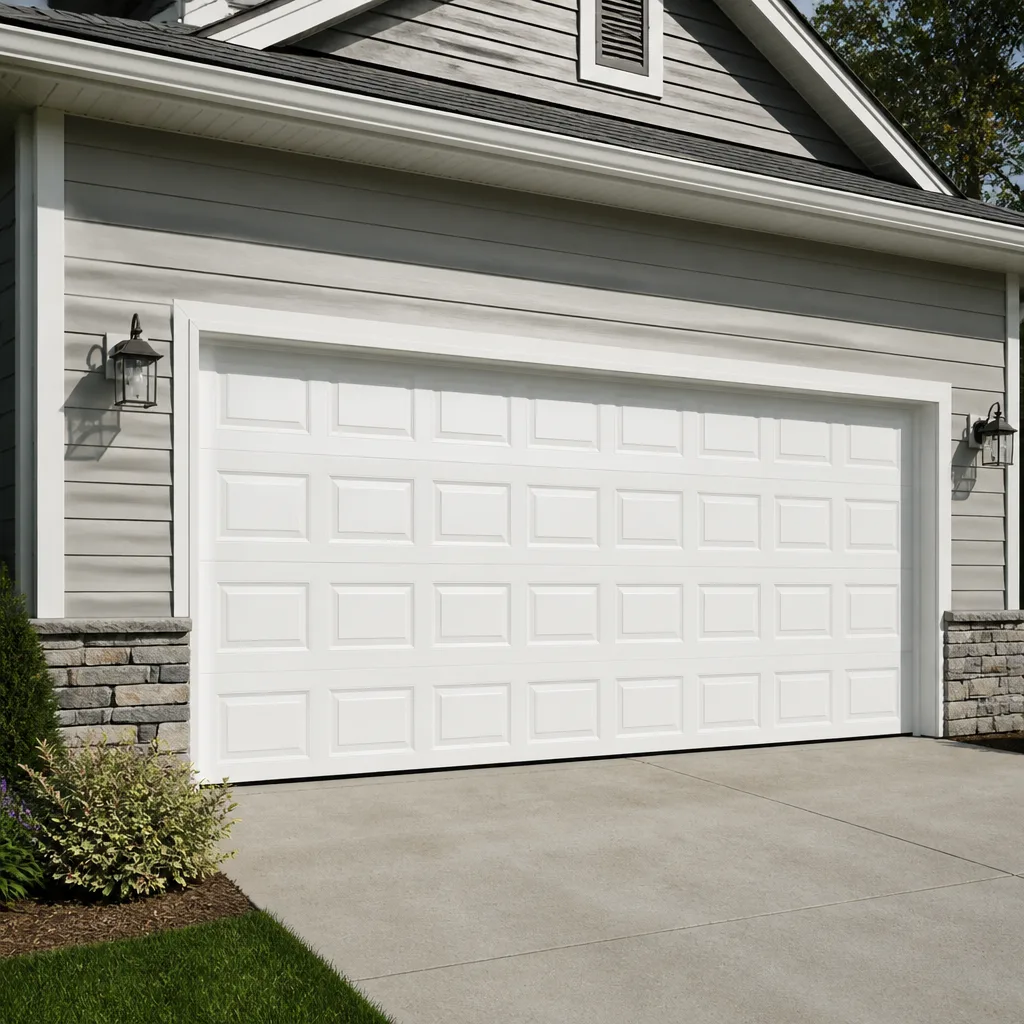 Raised-panel steel
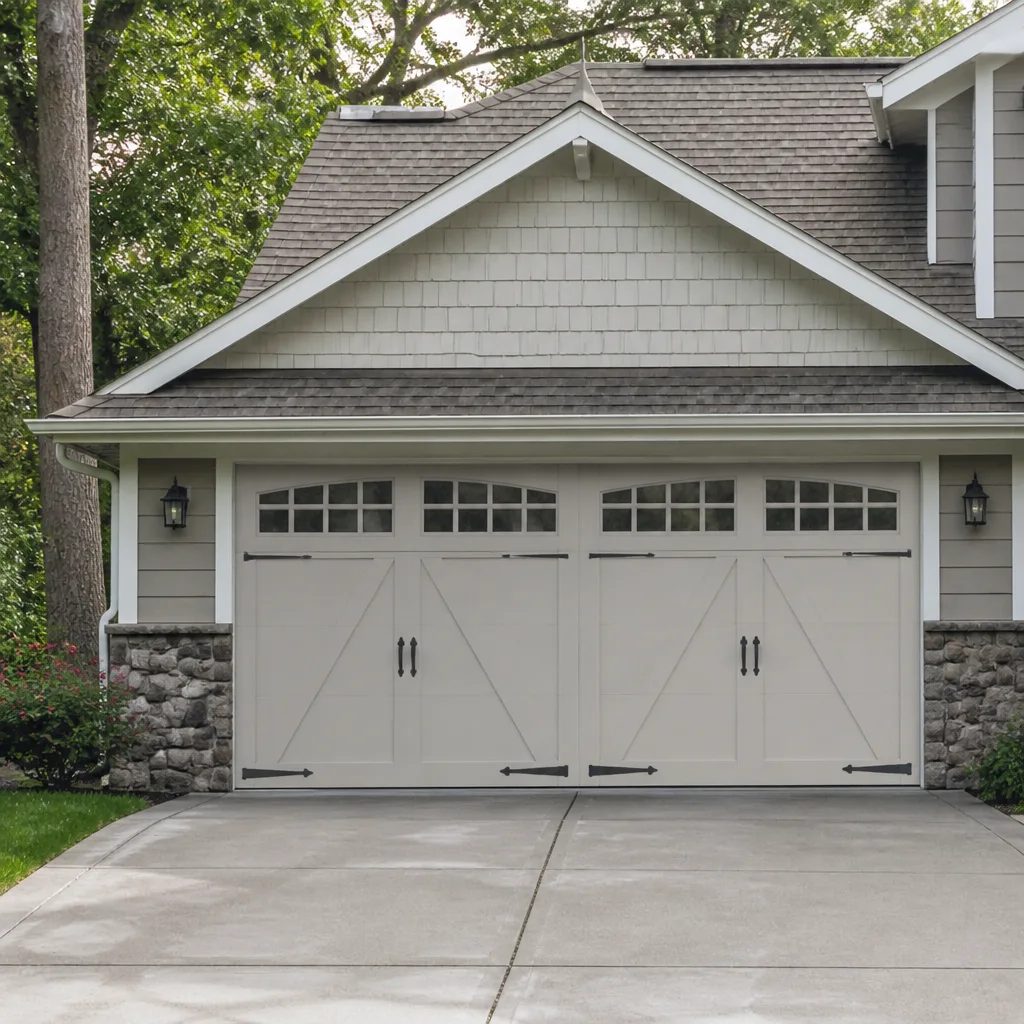 Carriage house
 Modern flush
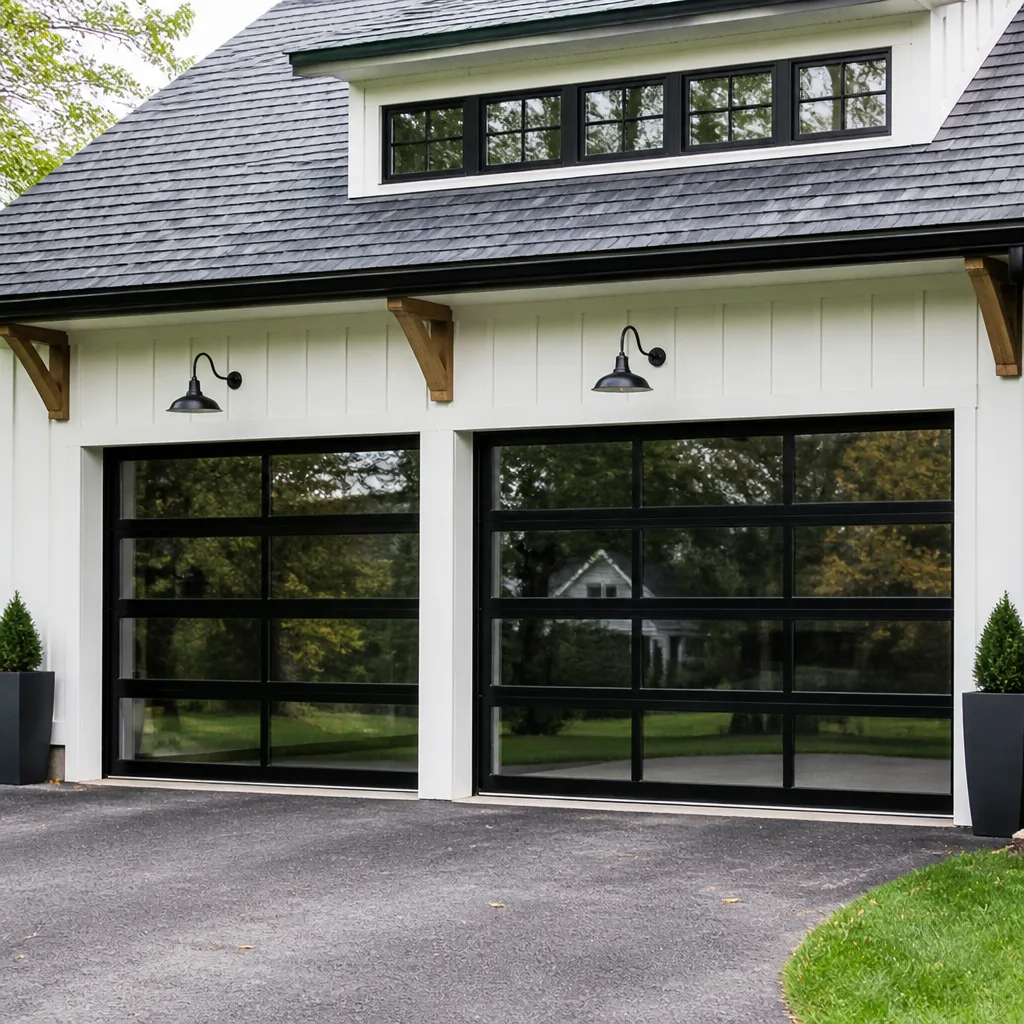 Full-view glass
 LiftMaster openers
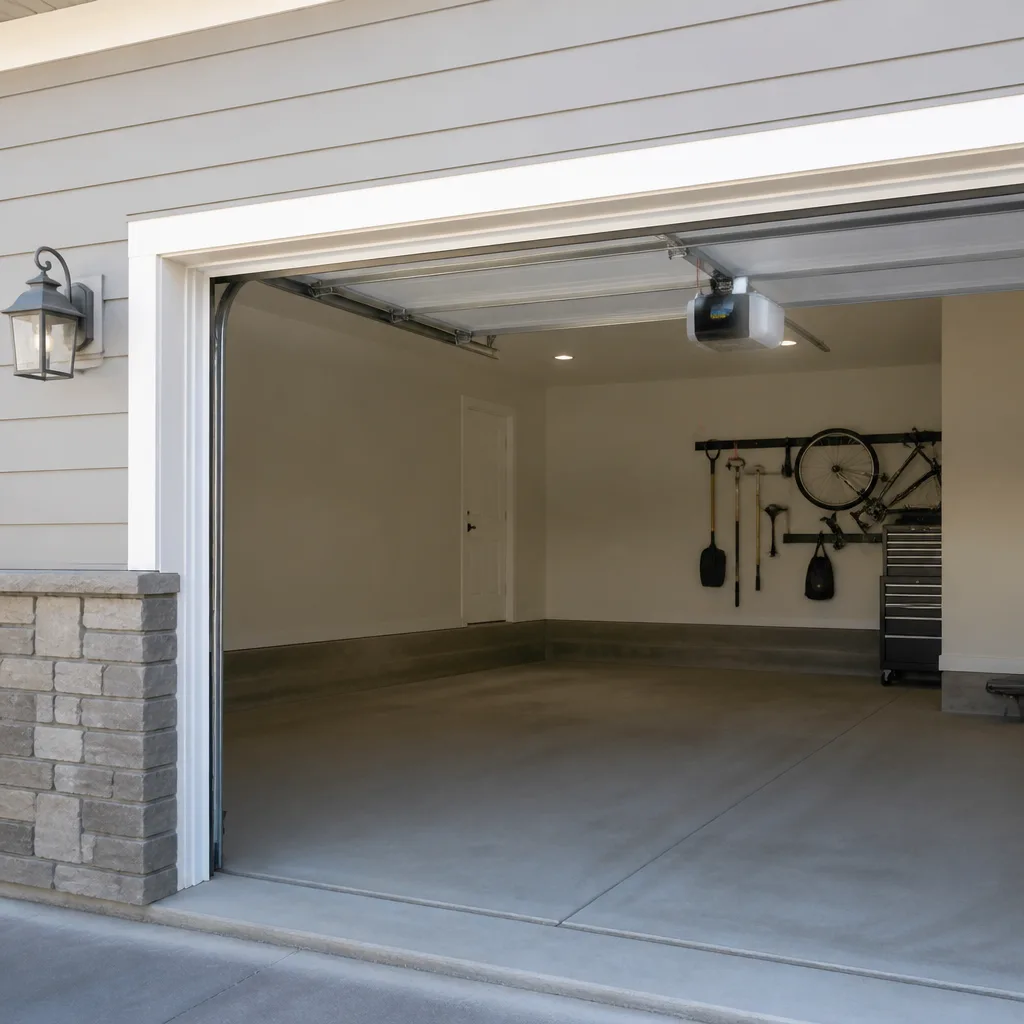 Chamberlain openers
Full 25-point door and opener safety check with every visit - springs, cables, rollers, tracks, and your LiftMaster or Chamberlain opener included
You get a price before we start. It does not change when the pro arrives.
Get your free estimateGarage Door Warning Signs: An Everett Homeowner’s Reference Guide
A garage door that hesitates for half a second before it moves isn’t being quirky. That pause is a message. It usually points to early motor strain or a cable tension imbalance, and by the time the door stops moving altogether, that half-second lag can be two months old. Most warning-sign guides wait for failure: the snapped spring, the door that won’t budge. The useful information arrives earlier, in sounds, movement, and small pattern changes you can read weeks before anything breaks. This guide teaches you to read your door’s behavior as a diagnostic language, with the specific things that wear fastest in Everett‘s damp air and the order they tend to go.
Styles & brands we work with
- Raised-panel steel
- Carriage house
- Modern flush
- Full-view glass
- LiftMaster openers
- Chamberlain openers
Quick Answer
The main warning signs of a failing garage door are a door that pauses or stutters before moving, grinding, squealing, popping or slapping sounds, a door that drifts down a few inches after closing, uneven travel, a bottom seal that’s torn or letting in water, and a door that no longer reverses when it meets an object. Any one of these means it’s time to stop using the door and have it looked at. In Everett, humidity speeds up wear on rollers, hinges, cables and the bottom seal first.
Table of Contents
- The Sound Map: What Each Noise Is Telling You
- Visual Inspection Cues: Springs, Cables, Rollers and Seal
- Behavioral Patterns: Opener Problem or Door Problem?
- The Monthly Safety Reversal Test and What a Failure Means
- Everett Aging Patterns: What Deteriorates Fastest and in What Order
- Reading the Signs by Brand: Clopay, Amarr, Wayne Dalton and Craftsman
- How to Track Your Door’s Behavior Over Time
- Common Mistakes to Avoid
- When to Call a Professional
- Frequently Asked Questions
The Sound Map: What Each Noise Is Telling You
A garage door is mostly quiet when it’s healthy: a low mechanical hum from the opener and a soft roll of the panels. Anything sharper than that is a signal. The trick is that different noises come from different parts of the system, so the sound narrows the diagnosis before anyone touches the door. Here’s how we map the four noises we hear most in Everett.
- Grinding usually comes from the opener’s drive system or the torsion hardware. A worn gear, a dry or failing bearing, or a chain and sprocket that have lost alignment will produce a low, rough grind. It often starts faint and builds over weeks.
- Squealing is high and thin, like metal dragging. It’s typically dry rollers, dry hinges, or a torsion shaft that needs attention. Squealing tends to show up first in colder, wetter months because lubricant thins and washes away.
- Popping is the sound of stored energy releasing. A single sharp pop from up high often means a torsion spring is cracking or the cable has slipped a drum. Treat a pop as urgent and stop using the door.
- Slapping or a loose rattle is the door panels and hardware banging against the track. Worn rollers, a bent track, or loose hinges let the door slap as it travels. It’s the least alarming sound of the four but usually the easiest to fix early.
If you can’t tell the sounds apart, describe them when you call. “It grinds for the first two seconds and then runs quiet” narrows the cause faster than “it’s making a noise,” and it helps us bring the right parts.
Visual Inspection Cues: Springs, Cables, Rollers and Seal
You can catch most failures by looking, not touching. Do your visual check with the door closed and the opener unplugged, and never reach into or around the springs and cables. Those parts hold serious stored force, and a trained technician should handle them. Here’s what to look at and what each thing tells you.
- Springs: On a torsion spring (the wound coil above the door), look for a visible gap in the coil or a stretched, sagging section. A broken spring often shows a clean split. On extension springs (running along each side), look for worn end loops and missing safety cables.
- Cables: The steel cables on each side should be straight and taut against the drums. Frayed strands, a slack cable, or one hanging loose off its drum are big red flags. If a cable looks slack, stop using the door.
- Rollers: The little wheels that ride in the track should be smooth and round. A flat spot, a chipped edge, or a roller that wobbles means it’s worn. Steel rollers wear; nylon rollers can crack.
- Track: Look down the track from the floor. It should be straight and the same distance from the door the whole way. Dents, kinks or a track that pulls away from the wall will cause binding.
- Bottom seal: The rubber strip along the bottom should sit flat against the floor with no tears or gaps. A torn or hardened seal lets in water and cold air and is a common Everett problem.
What you’re really checking for is change. If the rollers looked round last spring and now one has a flat spot, that’s your warning, not a crisis yet. Note it and get it looked at before the door starts working around the problem.
Behavioral Patterns: Opener Problem or Door Problem?
One of the most expensive mistakes in garage door repair is replacing the opener when the door was the problem. Homeowners in Everett call us convinced their opener is dying when the real issue is a stiff door the opener has been straining against for months. Misreading this pattern drives unnecessary replacement. Here’s how to separate the two.
Signs the door itself is the problem, not the opener:
- The door is heavy to lift by hand (test only with the opener disengaged and the door closed, and don’t force it).
- It travels unevenly, one side higher than the other.
- It binds, rubs or gets stuck partway up, even with the opener working.
- It drifts down a few inches after it closes, or won’t stay fully closed.
- You hear popping, grinding or squealing during travel.
Signs the opener is the problem:
- The motor runs but the door doesn’t move at all.
- The door stops partway and reverses without you doing anything.
- The remotes or wall button work intermittently or don’t reach.
- The opener clicks or hums without moving the door.
- Lights flash or the unit beeps a pattern you don’t recognize.
When the door is stiff and the opener keeps forcing it, the opener wears out faster and the door’s mechanical parts wear in step. That’s where a dedicated garage door opener repair visit pays off: we diagnose the opener’s motor, remote and smart-home side to tell you whether the unit is failing or simply doing too much work for a door that needs attention.
The Monthly Safety Reversal Test and What a Failure Means
A garage door should reverse when it meets an obstacle. That’s the single most important safety check a homeowner can run, and it takes about a minute. Run it once a month. Here’s how.
- Close the door fully so nothing is in its path.
- Place a small object, like a roll of paper towels or a block of wood, flat on the floor directly under the middle of the door.
- Press the button to close the door. When the door meets the object, it should stop and reverse to open.
- Also test the photo-eye sensors: wave a hand or a broom handle across the beam near the floor as the door is closing. The door should reverse immediately.
If the door presses down on the object or stops without reversing, that’s a failed reversal, and you should stop using the door until it’s fixed. A failed reversal is a structural safety failure, not just an inconvenience. It means the opener’s force limit or travel settings have drifted, the sensors are misaligned or dirty, or the door’s mechanical parts have changed enough that the opener’s force can’t safely complete a cycle. In a home where the garage is a primary entry, a door that won’t reverse is a hazard to anyone under it, including kids, pets and packages. Get it checked.
Everett Aging Patterns: What Deteriorates Fastest and in What Order
Everett’s wet, humid climate changes the order in which garage door parts wear. In drier places, springs and openers tend to be the first to fail. Here, the parts that see the most moisture and the most temperature swings go first. In our experience, here’s the typical order.
- Rollers and hinges. Humidity thins and washes away lubrication, so steel rollers and hinges start to squeal and stiffen before anything else. This is the cheapest warning sign to catch early.
- Cables and drums. Damp air and condensation on the hardware encourage rust, and a rusty cable is a frayed cable waiting to happen. Frayed strands are a stop-use signal.
- Bottom seal. The rubber strip along the bottom hardens, cracks and tears in wet weather, letting water creep under the door. A wet garage is a sign the seal is done.
- Track and mounting hardware. Seasonal swelling and settling in a wet climate can pull the track out of alignment, causing binding and uneven travel.
- Springs. Springs are consumable parts that eventually break from the stress of thousands of cycles, but in Everett the moisture-driven stiffness above tends to show up first, so watch for both together.
- Opener motor and electronics. An opener that’s been fighting a stiff, damp door will wear out sooner. That’s often why people assume the opener failed when the door was the root cause.
If your door is more than a few years old and lives in a damp spot, this order tells you what to look at first. It also tells you why lubrication and a good bottom seal matter so much here compared with drier parts of the state.
Reading the Signs by Brand: Clopay, Amarr, Wayne Dalton and Craftsman
Different doors and openers show wear in characteristic ways, and knowing the brand helps narrow the cause. We work on eight of the most widely owned garage door and opener brands, and a handful of them come up most often on Everett homes: Clopay and Amarr doors, Wayne Dalton doors with their distinctive hardware, and Craftsman openers.
- Clopay doors are common on Everett homes, and their steel panels and hinges show the humidity-related stiffness we described first. A Clopay that squeals and slaps is usually asking for rollers, hinges and hinge lubrication, not a new door.
- Amarr doors often run on steel rollers that flatten and get noisy in wet weather. If the door rumbles and slaps, the rollers are the first thing to check.
- Wayne Dalton doors with their specific hardware can develop a distinct rattle or a track that pulls out of alignment when the door’s weight shifts. That slapping and binding pattern is worth a look.
- Craftsman openers are among the most common you’ll find, and their chain-drive units will grind when the sprocket wears or the chain loses tension. A grumbling Craftsman is usually a drive-side issue, not a dead motor.
Knowing the brand means we already know your system when we arrive, so there’s no learning curve and no guesswork. “Your brand. Our expertise.” It’s the difference between a diagnosis and a search.
How to Track Your Door’s Behavior Over Time
The signals that matter most are the ones that change. A door that’s always been a little slow isn’t the same as a door that’s gotten slow over the last month. A simple log makes the pattern visible and turns your call into a precise report. Keep a note on your phone or a sticky on the wall.
- Note the date and the sound. “Grinds for the first two seconds” is more useful than “noisy.”
- Note the travel. Does it pause, run unevenly, or drift down after closing?
- Note the reversal test result. Pass or fail, each month.
- Note the weather. If a sound shows up after wet days, that points to damp-related wear.
- Note any remote or sensor quirks. Flickering lights, short range, or doors that reverse on their own.
After a month or two, you’ll have a short history that tells a technician a lot. It’s the same approach we use when a homeowner describes a creeping problem: the pattern tells the story, and the fix follows from it. This is the heart of a garage door repair diagnosis, and it’s something we lean on because a door in Everett is a moving system with weather in the mix.
Common Mistakes to Avoid
- Ignoring the half-second pause. Waiting until the door won’t move at all is the most expensive wait in this guide. The pause is early strain, and it’s cheapest to fix at that stage.
- Replacing the opener when the door is the problem. A strained opener on a stiff door will keep failing until the door itself is addressed. Diagnose the door first.
- Operating a door with a broken spring or a slack cable. These parts hold serious stored force, and running the door on a broken spring can damage the opener and put you at risk. Stop and call.
- Skipping the monthly reversal test. A failed reversal is a safety failure, and it’s easy to catch in a minute if you test routinely. A dirty or misaligned sensor is often all it takes.
- Assuming a wet Everett garage is normal. A wet floor usually means the bottom seal is done, not that the weather is winning. Seals are a routine part of keeping water out here.
- Lubricating a torsion spring or reaching into the cables. Homeowners shouldn’t attempt these. Have a trained technician handle the springs and cables every time.
- Running a bent track or a door that binds. Forcing a binding door damages the panels and the opener together. If it’s binding, it’s a call, not a shove.
When to Call a Professional
Call for a trained technician when you hear popping, grinding or squealing and can’t trace it; when the door pauses, drifts down after closing, travels unevenly or reverses on its own; when the reversal test fails; when the bottom seal is torn or the garage is wet; when the opener runs but the door doesn’t move; or when a cable looks frayed or slack. These are the signals that turn into bigger costs if you work around them. Oasis Garage Door Repair offers free estimates in Everett – call (833) 427-9172. We answer 24/7. Fast dispatch from 7am to 7pm, Sunday through Friday. A call outside dispatch hours is booked into the next opening. Our technicians have up to 10 years of experience, and the price is set per job by the written estimate before any work starts.
Frequently Asked Questions
Most garage door repairs in Everett fall within a typical range depending on the part and the door, and you get a written estimate before any work starts. We can handle mechanical door issues, opener electronics and full new installations through one company, so you don’t shop around. Call (833) 427-9172 for an exact quote – estimates are free.
For repair calls, we aim to get your door back up and running same day, and we answer 24/7. Fast dispatch from 7am to 7pm, Sunday through Friday. Installation and new-door work is measured, ordered and scheduled rather than same-day. Call (833) 427-9172 for a free estimate.
No. The written estimate sets the price, and it’s quoted and agreed before any work starts. We assess before recommending replacement, so the fix is based on what’s actually wrong, not a preset number. Call (833) 427-9172 for a free estimate today.
Our technicians are experienced and work to professional standards, and we’re happy to talk through credentials when you call. The team handles repair, opener service and installation with brand-specific knowledge. Call (833) 427-9172 for a free estimate.
A single sharp pop from up high usually means a torsion spring is cracking or a cable has slipped a drum. Stop using the door and have it looked at, because those parts hold serious stored force. Call (833) 427-9172 for a free estimate.
A wet garage floor usually means the bottom seal is torn, hardened or not sitting flat, which is a common wear point in Everett’s damp climate. A new seal keeps water and cold air out. Call (833) 427-9172 for a free estimate on your seal or a full door check.
The Bottom Line
Your garage door talks to you before it fails: the half-second pause, the grinding start, the drift after closing, the torn seal, the failed reversal test. Read those signals early and you keep repair costs small and avoid a sudden breakdown. In Everett, humidity puts rollers, hinges, cables and the bottom seal at the front of the wear list, so check those first. When a signal shows up, don’t wait for it to become a failure. Call (833) 427-9172 for a free estimate. We answer 24/7. Fast dispatch from 7am to 7pm, Sunday through Friday. Our technicians have up to 10 years of experience with eight of the most widely owned garage door and opener brands, and we’ll get your door working the way it should. Your brand. Our expertise. From a broken spring to a brand-new system, one call covers it, and our team works throughout Everett and the surrounding area from our Oasis Garage Door Repair base.
Written by the team at Oasis Garage Door Repair.
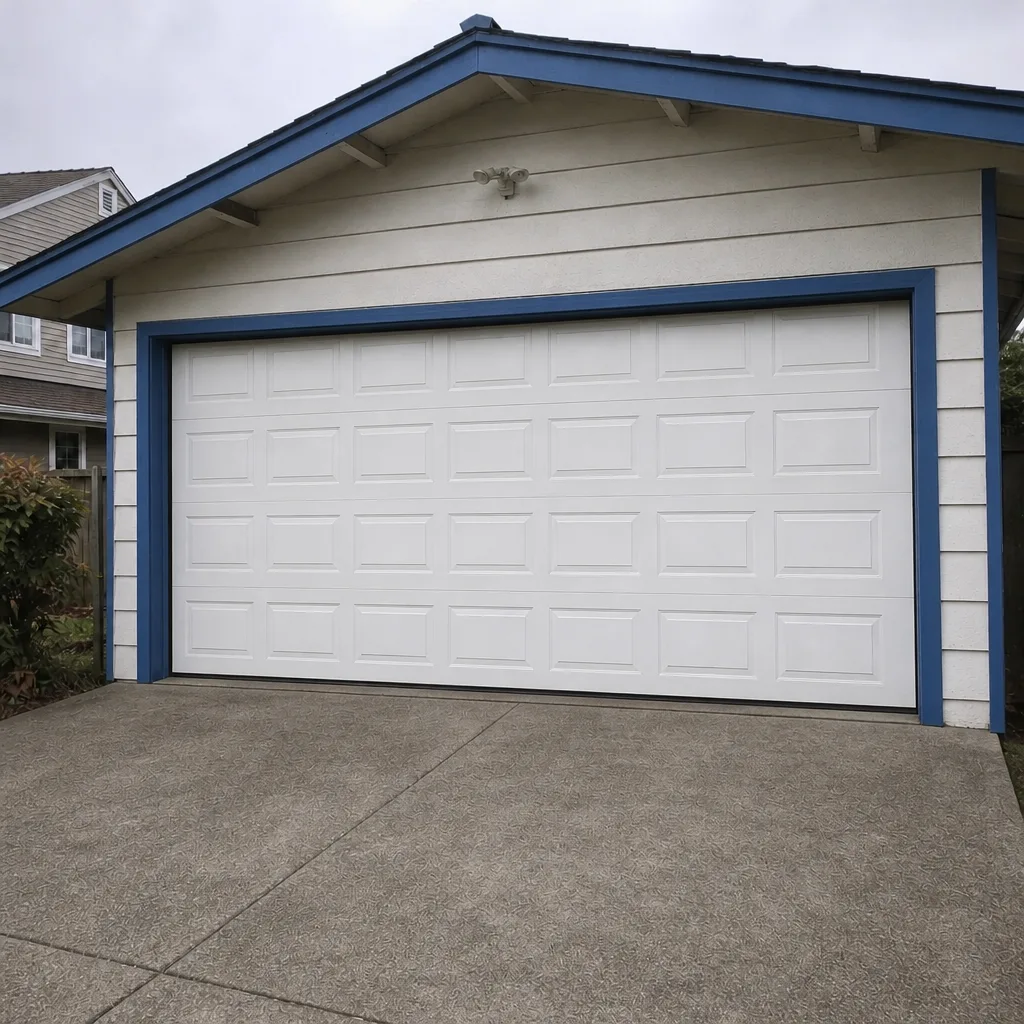
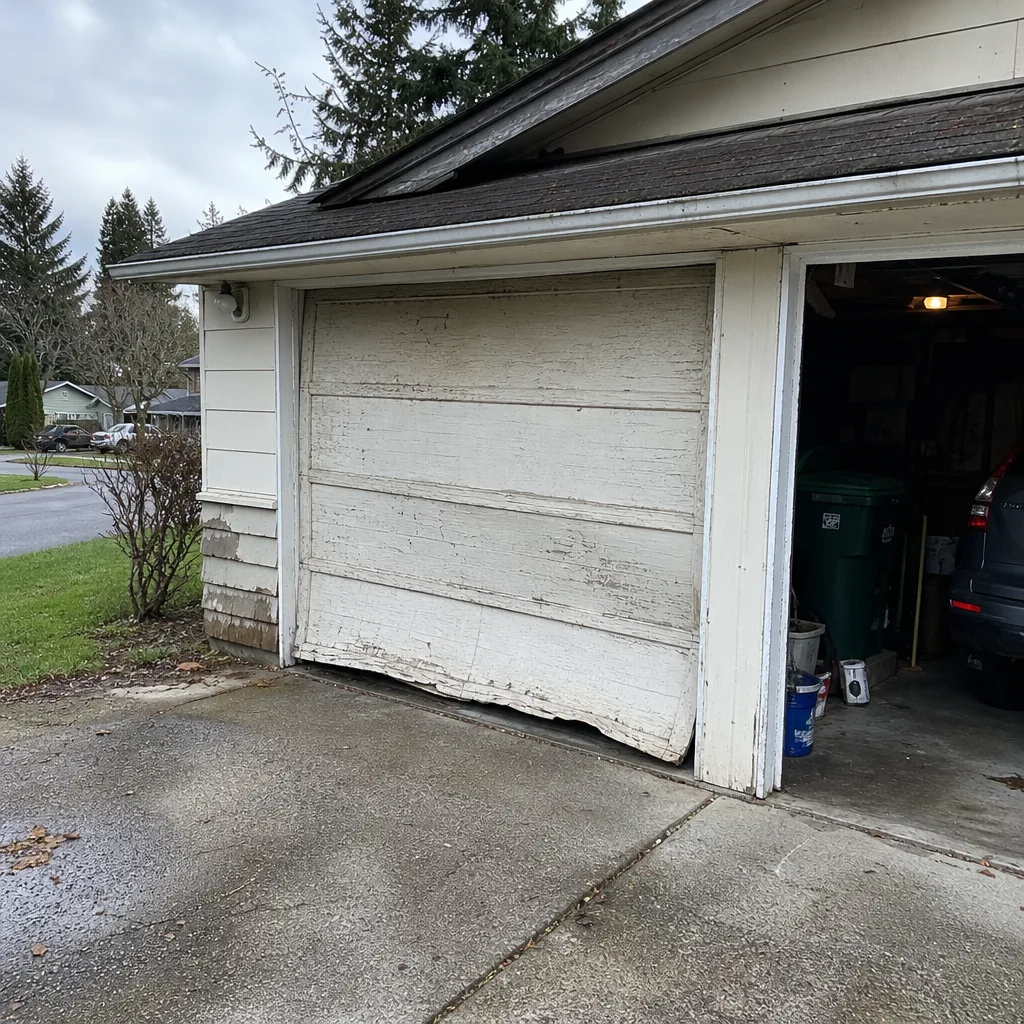
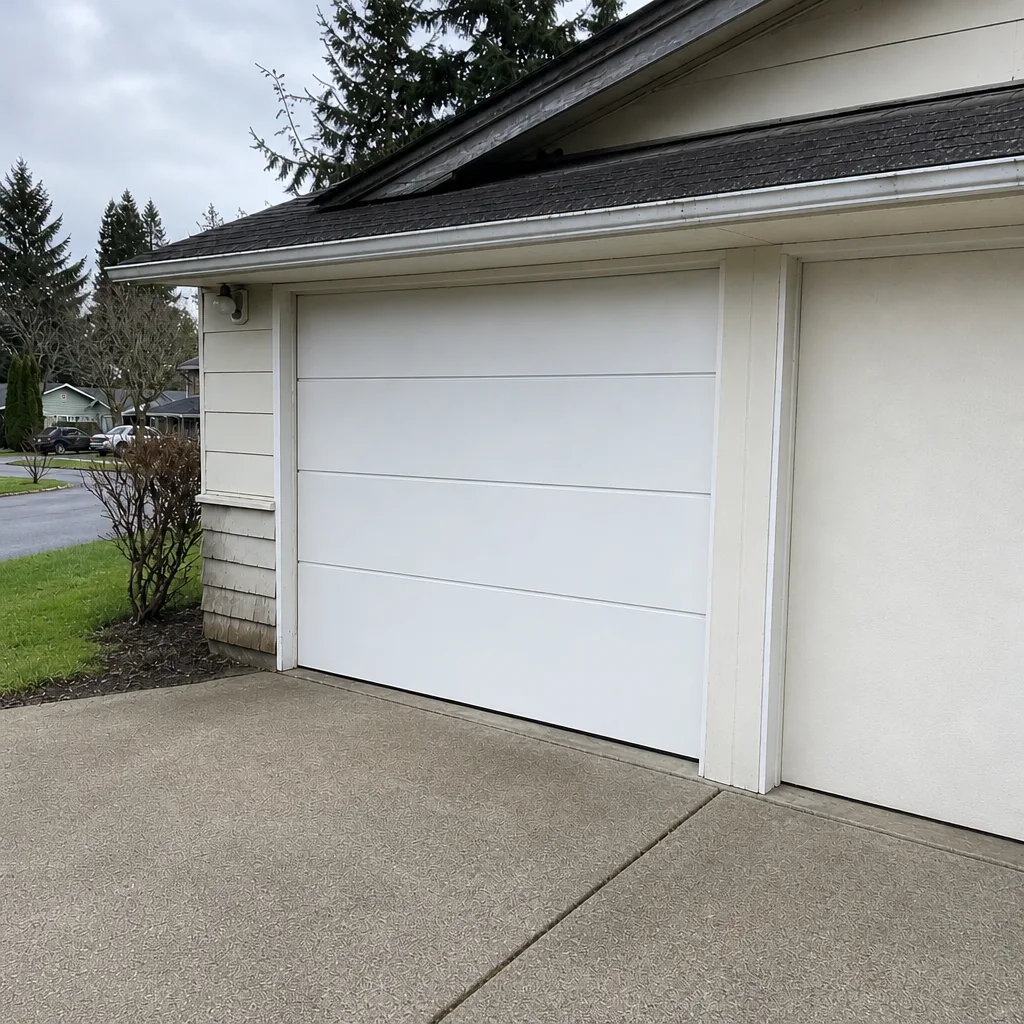
See the difference
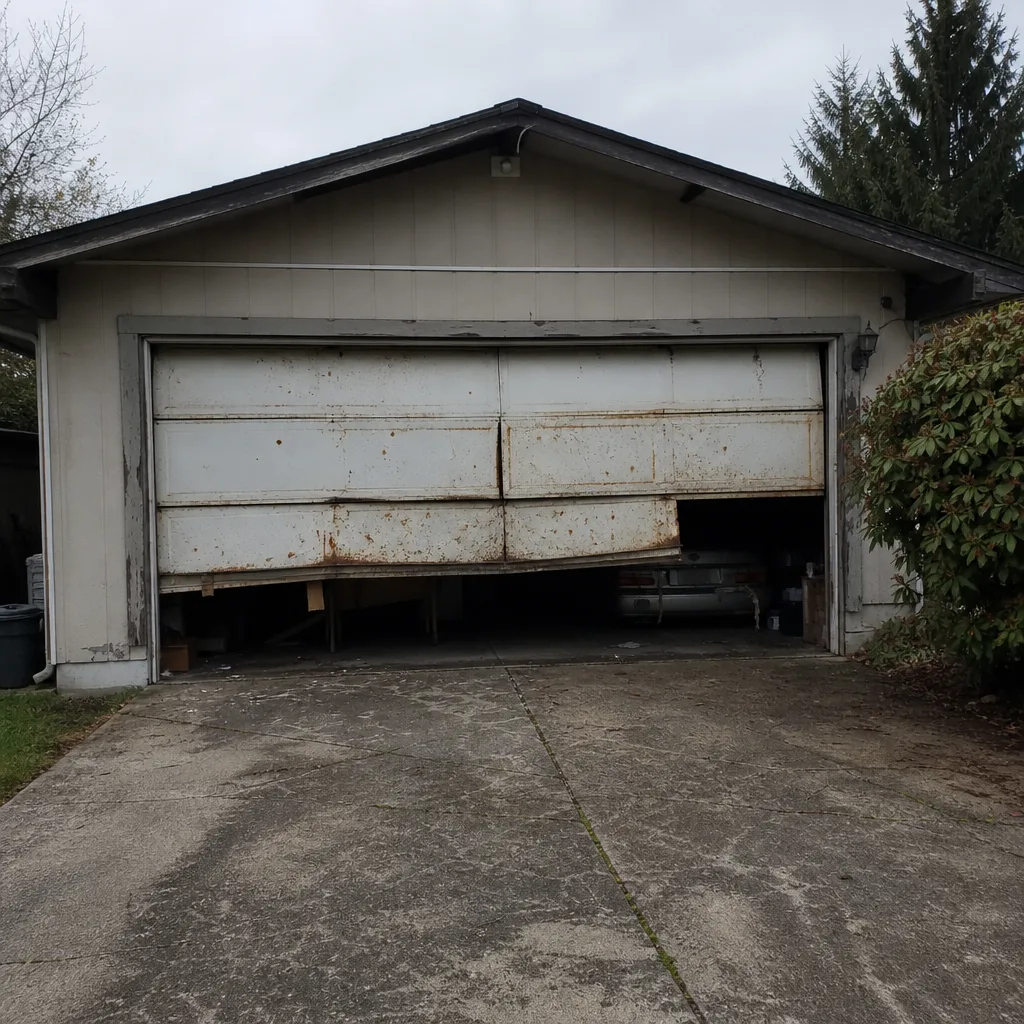 Before
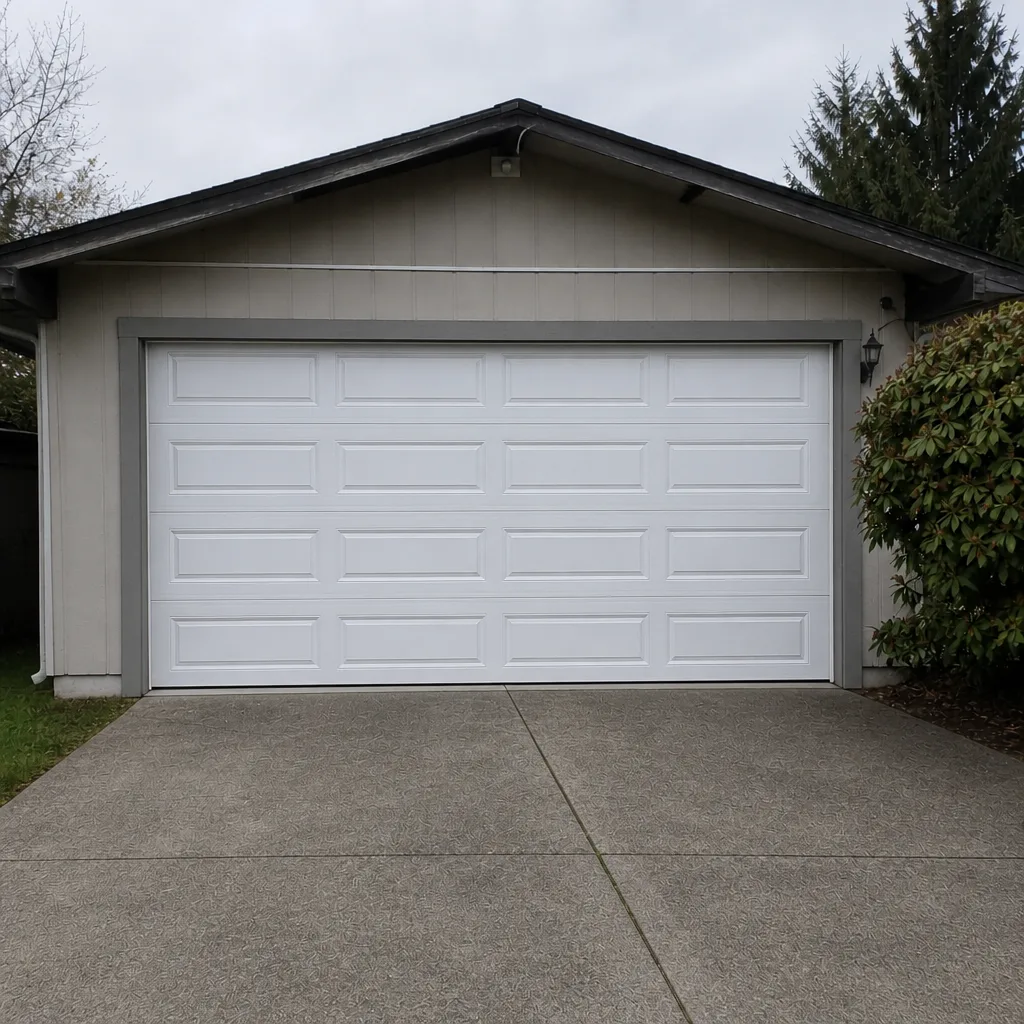 After
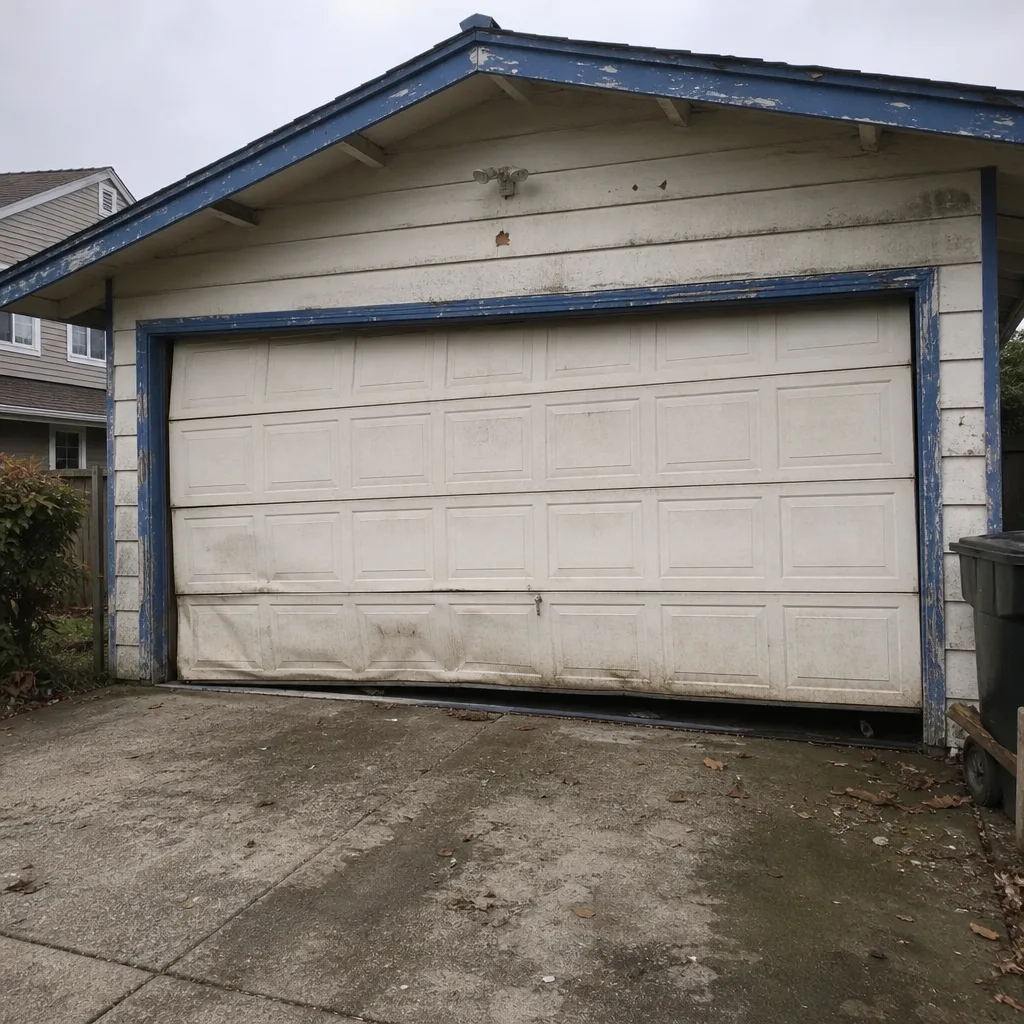 Before
 After
 Before
 After